Tag

bacterial vaginosis symptoms

Browsing

7 Warning Signs of Vaginal Infections You Should Never Ignore (Doctor-Backed Guide)

The 3am Realisation

You’ve been ignoring it for three weeks now. That slight itch that comes and goes. The discharge that’s not quite the same colour or consistency as usual. You’ve convinced yourself it’s nothing, that it’ll sort itself out, that you’re probably just being paranoid.

Then last night, during intimacy with your partner, you felt a sharp burning sensation that made you wince. You excused yourself, citing tiredness. But now, at 3am, you’re awake, scrolling through Google, terrified you’ve left something serious untreated. You’re wondering if that persistent odour you’ve been masking with extra showers means something’s genuinely wrong. The search results range from “perfectly normal” to genuinely frightening, and you’re more confused than when you started.

You’re not overreacting. You’re also not alone in this uncertainty.

The challenge with vaginal infections is that they rarely announce themselves with obvious, textbook symptoms. They creep in gradually, mimicking normal fluctuations in discharge and sensation that happen throughout your cycle. By the time you’re certain something’s wrong, the infection may have been present for weeks or even months, potentially affecting your fertility, sexual comfort, and overall wellbeing.

Understanding Vaginal Infections: The Clinical Foundation

A vaginal infection occurs when the delicate ecosystem of bacteria, yeast, and other microorganisms in your vagina becomes imbalanced. Think of your vaginal microbiome as a carefully tended garden. When it’s healthy, beneficial bacteria (primarily Lactobacillus species) keep everything in check, maintaining an acidic pH that prevents harmful organisms from taking over.

When this balance shifts, one of three common scenarios typically unfolds: bacterial vaginosis (BV), where harmful bacteria outnumber the beneficial ones; vulvovaginal candidiasis (a yeast infection), where Candida fungus overgrows; or trichomoniasis, a sexually transmitted infection caused by a parasite.

Featured Snippet Answer:

Vaginal infection warning signs include unusual discharge changes in colour, consistency, or smell; persistent itching or burning that doesn’t resolve within a few days; pain during intercourse or urination; unexpected bleeding between periods; and vulval redness or swelling. Any combination of these symptoms lasting more than 48 hours warrants medical assessment.

The reason vaginal infections remain so misunderstood in mainstream medicine comes down to one persistent myth: that all vaginal discharge or odour is inherently “dirty” or shameful. This cultural baggage means women often delay seeking care until symptoms become unbearable, and even then, they may receive dismissive advice about “better hygiene” rather than proper diagnosis and treatment.

Your vagina is self-cleaning. It’s supposed to produce discharge. The question isn’t whether discharge exists, but whether what you’re experiencing represents a significant change from your personal baseline.

Understanding what’s normal for you specifically is the foundation of recognising when something’s genuinely wrong. Your discharge will naturally vary throughout your menstrual cycle. Around ovulation, it becomes clear and stretchy, resembling raw egg white. After ovulation, it typically becomes thicker and white or cream-coloured. Light vaginal odour is also normal, often described as slightly musky or tangy, not unpleasant.

The warning signs we’re about to explore represent departures from this healthy baseline. They’re your body’s way of flagging that the vaginal ecosystem has shifted into territory that requires attention.

The 7 Warning Signs of Vaginal Infections

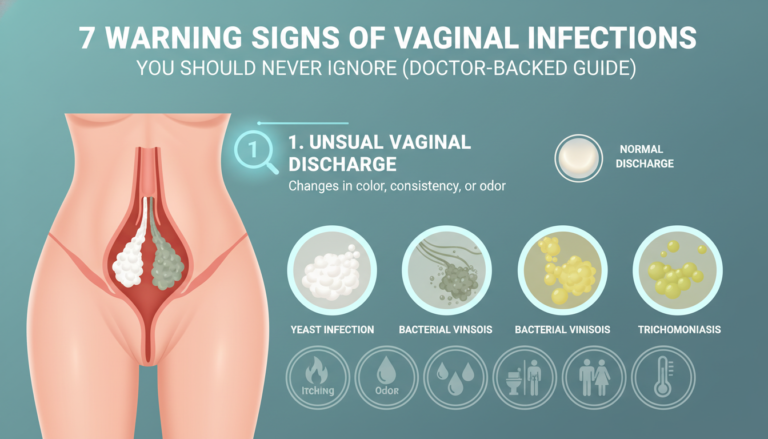
1. Discharge That Resembles Cottage Cheese or Has a Grey Tinge

Texture and colour changes in discharge are often the first visible sign of infection, yet they’re frequently dismissed as “just normal variation.”
Infection

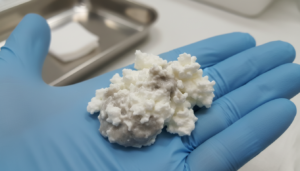
Thick, white, clumpy discharge that looks like cottage cheese almost always indicates a yeast infection. This happens because Candida overgrowth produces a characteristic curd-like secretion as the fungus multiplies. You’ll typically notice this alongside intense itching, particularly at night when you’re trying to sleep.

Thin, grey, or greyish-white discharge with a consistency like watered-down milk suggests bacterial vaginosis. BV occurs when the Lactobacillus population drops and opportunistic bacteria like Gardnerella vaginalis take over. Unlike yeast infections, BV discharge is typically not accompanied by significant itching, but it almost always comes with a distinct odour.

Yellow or green discharge, especially if it’s frothy or bubbly, points toward trichomoniasis. This sexually transmitted infection produces a characteristic yellow-green discharge because the Trichomonas parasite triggers an inflammatory response that includes increased white blood cells in vaginal secretions.

2. A Fishy Odour That Intensifies After Intercourse

Vaginal odour is one of the most anxiety-inducing symptoms women experience, largely because we’ve been socialised to believe any odour is problematic. That’s simply not true. But certain odours do signal infection.

A strong fishy smell, particularly one that becomes noticeably worse after sexual intercourse or during your period, is the hallmark sign of bacterial vaginosis. This happens because semen and menstrual blood are both alkaline, and when they mix with the already-disrupted vaginal pH in BV, they trigger the release of volatile amines, the compounds responsible for that distinctive fishy odour.

The smell can be so pronounced that you notice it through your clothing, or your partner mentions it. This isn’t about poor hygiene. It’s a chemical reaction caused by bacterial imbalance, and no amount of washing will resolve it. In fact, excessive washing and douching can worsen bacterial vaginosis by further disrupting the vaginal pH.

If you’re experiencing this symptom, you need antibiotics (typically metronidazole or clindamycin) to restore bacterial balance, not more aggressive cleaning routines.

3. Persistent Itching That Worsens at Night

Vaginal or vulval itching is incredibly common, but when it persists for more than 48 hours or intensifies at night, it’s a red flag for infection.

Yeast infections cause intense itching because Candida produces enzymes and toxins that irritate the vaginal tissue. The itching often feels worse at night because when you’re lying still, you’re more aware of the sensation, and the warmth of bed covers can intensify it.

The itching from a yeast infection is typically concentrated around the vaginal opening and the vulva (the external genital area). You might notice the skin looks red, inflamed, or even develops small cracks or fissures if you’ve been scratching.

Bacterial vaginosis rarely causes significant itching, which is one way to distinguish it from a yeast infection. Trichomoniasis can cause itching, but it’s usually accompanied by other symptoms like the yellow-green discharge mentioned earlier and discomfort during urination.

If you’re reaching for antihistamines or applying nappy rash cream to stop the itch, you’re likely dealing with a yeast infection that needs antifungal treatment, not symptom management.

4. Pain or Burning During Urination

A burning sensation when you urinate can signal either a urinary tract infection (UTI) or a vaginal infection. The distinction matters because the treatments are entirely different.

With a vaginal infection, particularly trichomoniasis or a severe yeast infection, the burning happens because inflamed vaginal tissue comes into contact with acidic urine as it passes. You might also notice the burning is more external, affecting the vulval area, rather than feeling deep inside the urethra (the tube that carries urine from your bladder).

UTIs, by contrast, cause burning that feels internal, often accompanied by an urgent need to urinate frequently and a sensation that your bladder isn’t fully empty.

If you’re experiencing burning during urination along with unusual discharge or vaginal odour, you’re likely dealing with a vaginal infection rather than a UTI. That said, it’s entirely possible to have both simultaneously, particularly if you’ve had a vaginal infection for some time, as the altered pH can make you more susceptible to UTIs.

This symptom should never be ignored beyond 24 to 48 hours. Untreated infections can ascend into the upper reproductive tract, potentially causing pelvic inflammatory disease (PID), which can affect fertility.

5. Discomfort or Pain During Intercourse

Pain during sex, medically termed dyspareunia, has many possible causes, but when it appears suddenly or alongside other symptoms, vaginal infection is a likely culprit.

Yeast infections cause pain during intercourse because the inflamed, irritated vaginal tissue is sensitive to friction and pressure. The pain is often described as burning or stinging, particularly at the vaginal entrance.

Bacterial vaginosis can cause discomfort during sex, though it’s typically less intense than with yeast infections. The pain often feels more like general sensitivity or rawness rather than acute burning.

Trichomoniasis frequently causes painful intercourse because the infection triggers significant inflammation of the vaginal walls. Some women also experience spotting after intercourse with trichomoniasis, as the inflamed tissue is more prone to minor trauma.

If you’ve started avoiding intimacy because of pain, or you’re experiencing a burning sensation that lasts for hours after intercourse, this isn’t something to push through or attribute to inadequate lubrication. Infection-related pain during sex is your body telling you something needs medical attention.

6. Vulval Swelling or Redness

Visible changes to the vulva, the external part of your genitals, are often overlooked because many women don’t regularly examine this area.

Yeast infections commonly cause the vulva to appear red, swollen, and inflamed. You might notice the labia (the “lips” around the vaginal opening) look puffy or feel tender to touch. In severe cases, the skin can crack or develop small cuts, particularly in the creases where the labia meet the thighs.

Trichomoniasis can also cause vulval inflammation, often with a more pronounced red, angry appearance. You might notice tiny red spots on the vaginal walls or cervix, though you wouldn’t be able to see the cervical changes without examination.

Bacterial vaginosis rarely causes significant external changes, which is one way to distinguish it from other infections.

If you’re noticing swelling, redness, or skin changes in the vulval area, particularly alongside other symptoms like unusual discharge or odour, you’re looking at an active infection that needs treatment. Don’t assume this will resolve on its own.

7. Abnormal Bleeding or Spotting Between Periods

Unexpected bleeding or spotting between periods, particularly after intercourse, can indicate several conditions, but when it occurs alongside other vaginal infection symptoms, it shouldn’t be dismissed.

Trichomoniasis is particularly associated with irregular bleeding because the infection causes significant inflammation of the vaginal walls and cervix. This inflamed tissue is more fragile and prone to bleeding, especially during intercourse or after a cervical examination.

Severe bacterial vaginosis can occasionally cause light spotting, though this is less common than with trichomoniasis.

Cervicitis, an inflammation of the cervix often caused by sexually transmitted infections like chlamydia or gonorrhoea, also produces abnormal bleeding alongside unusual discharge.

The presence of abnormal bleeding requires prompt medical assessment because while it may be related to infection, it can also signal other conditions including cervical cell changes, polyps, or in rare cases, more serious pathology. Any woman experiencing persistent irregular bleeding should book an appointment with a gynaecologist within two weeks for proper examination and testing.

What I’ve Seen in Clinical Practice

In my 19 years of clinical practice, what I’ve seen most often is women who’ve been living with low-grade vaginal infections for months, sometimes years, because they’ve been told their symptoms are “normal” or “just how bodies are.”

I’ve lost count of how many patients have sat in my consultation room and apologised for “making a fuss” about symptoms that have been affecting their quality of life, their intimate relationships, and their mental wellbeing for extended periods. They’ve been conditioned to believe that vaginal discomfort is something to tolerate rather than investigate.

The truth is that persistent or recurrent vaginal infections are rarely just bad luck. They’re almost always pointing to an underlying pattern: antibiotic use that’s repeatedly wiping out beneficial bacteria, uncontrolled diabetes affecting immune function, hormonal changes from contraception or perimenopause, or practices like douching that disrupt the vaginal ecosystem.

I’ve also seen the relief on women’s faces when we finally identify what’s been causing their symptoms and implement a treatment plan that actually works. Vaginal health directly affects your confidence, your comfort in your own body, and your ability to enjoy intimacy without anxiety or pain. These aren’t trivial concerns. They’re fundamental to your wellbeing.

When to See a Specialist

You should book an appointment with a gynaecologist or sexual health clinic if you experience any unusual vaginal discharge, odour, or itching that persists for more than 48 hours, even if symptoms are mild. Early intervention prevents complications and speeds recovery.

If you notice a fishy odour alongside grey discharge, book an appointment within one week with a GP or sexual health clinic for bacterial vaginosis testing. Left untreated, BV increases your risk of acquiring sexually transmitted infections and can affect pregnancy outcomes if you’re trying to conceive.

Any woman experiencing pain during intercourse that has appeared recently or worsened over the past few weeks should see a gynaecologist within two weeks. Painful sex has multiple possible causes, and proper examination is essential to identify whether infection, pelvic inflammatory disease, endometriosis, or another condition is responsible.

If you develop abnormal bleeding or spotting between periods, particularly alongside unusual discharge or pain during sex, book an urgent gynaecology appointment within one week. While often infection-related, irregular bleeding requires thorough investigation to rule out other causes.

Women who experience recurrent vaginal infections, defined as three or more episodes within 12 months, should request a referral to a gynaecologist with expertise in vulvovaginal disorders. Recurrent infections suggest an underlying issue, whether hormonal, immunological, or related to resistant organisms, that requires specialist assessment beyond standard treatment protocols.

If you’re pregnant and experiencing any symptoms of vaginal infection, contact your midwife or obstetrician within 24 hours. Untreated vaginal infections during pregnancy are associated with preterm birth, low birth weight, and other complications, and require prompt treatment with pregnancy-safe medications.

Your Next Steps

If you’ve recognised yourself in any of these warning signs, the most important thing you can do right now is this: book a medical appointment and resist the temptation to self-diagnose or self-treat.

Over-the-counter treatments for yeast infections have their place, but only if you’re certain you’re dealing with a yeast infection and not bacterial vaginosis or trichomoniasis. Using antifungal treatment for BV, for instance, won’t help and may delay proper care.

Your vaginal health deserves the same attention and respect you’d give to any other aspect of your wellbeing. These symptoms aren’t trivial, they’re not shameful, and they’re absolutely not something you should just learn to live with.

The right treatment, properly administered after accurate diagnosis, can resolve most vaginal infections within days to a week. You don’t have to continue managing symptoms, avoiding intimacy, or feeling uncomfortable in your own body.

Start by making that appointment. Be specific about your symptoms when you speak to the receptionist or triage nurse. Mention the duration, the specific changes you’ve noticed, and any factors that make symptoms better or worse. This information helps ensure you’re seen by the right clinician with adequate appointment time for proper examination.

Share this article with a friend who’s been struggling with these symptoms and doesn’t know where to start. Sometimes the hardest part is simply knowing you’re not alone and that help is available.


This article is for informational purposes only and does not constitute medical advice. Always consult a qualified healthcare provider before making any changes to your health or treatment plan.


8 Shocking Causes of Vaginal Odor Gynecologists Warn About

You’ve noticed something is off, and now you’re deep in a Google search spiral at 11pm, hoping no one can see your screen. We see you, and we’re not here to judge.

The truth is, vaginal odor is one of the most common concerns women bring to their gynecologist, and the causes are far more varied, and sometimes surprising, than most people realize. Some are completely harmless. Others are your body’s polite way of waving a red flag that something needs attention. The tricky part is knowing the difference.

Your vagina is home to a remarkably sophisticated ecosystem. Billions of bacteria, a carefully calibrated pH level, and a self-cleaning mechanism that most laboratories would envy all work together to keep things balanced. When something disrupts that balance, your nose is often the first to know.

This post breaks down the eight causes of vaginal odor that gynecologists most want you to understand. Not to alarm you, but to arm you with knowledge so you can stop guessing, stop reaching for every scented product on the pharmacy shelf, and start actually addressing what’s going on.

vaginal odor


1. Bacterial Vaginosis: The Most Common Cause of Vaginal Odor Women Miss

Bacterial vaginosis, commonly called BV, is the single most frequent reason a gynecologist hears “I’ve noticed a different smell” in the exam room. BV is the most common cause of unpleasant vaginal odor in women aged 15 to 44. Yet despite how widespread it is, many women spend weeks masking the smell with products that make the problem worse.

BV happens when the balance of bacteria inside the vagina tips in the wrong direction. It occurs when there is an imbalance of the bacteria usually present in the vagina. In other words, the “bad” bacteria (anaerobes) are overpowering the “good” bacteria (lactobacilli). The result is a distinct odor that most people describe as fishy, particularly noticeable after sex.

What BV Actually Smells Like

The fishy smell associated with BV has a specific chemical explanation. Trimethylamine is the chemical compound responsible for the distinct aroma of rotting fish and some abnormal vaginal odors. “You get bacterial vaginosis when there’s an overgrowth of anaerobic bacteria in the vagina. And these anaerobic organisms are odorous.”

Alongside the odor, BV typically produces:

  • Thin, watery vaginal discharge that is grayish-white in color
  • Mild itching or burning, especially around the vulva
  • A smell that intensifies after sexual intercourse
  • Occasionally, burning when urinating

Why Women Keep Missing BV

Here is where things get counterproductive. Many women respond to the odor by douching, using feminine washes, or layering scented sprays over the problem. This is exactly the wrong move.

As gynecologist Dr. Lauren Streicher put it, treating vaginal odor with feminine washes is like washing your face and expecting bad breath to go away. BV is caused by an imbalance of bacteria inside the vagina, and feminine washes that line the shelves of pharmacies are worthless for treating it.

BV is treated with antibiotics, typically metronidazole or clindamycin, prescribed by a doctor after a proper diagnosis. It does not resolve on its own in most cases, and untreated BV can increase your risk of contracting sexually transmitted infections. If the smell is fishy and persistent, skip the pharmacy aisle and call your gynecologist.


2. Trichomoniasis: The STI Behind Vaginal Odor That People Rarely Suspect

Most women thinking about sexually transmitted infections are not thinking about their nose first. But trichomoniasis, often called “trich,” is a parasitic STI with a particularly strong and unpleasant odor as one of its hallmark symptoms.

Trichomoniasis is a sexually transmitted infection that can be treated with antibiotics. It’s known for its pungent fishy odor. “The trichomoniasis infection can be quite smelly. It’s a more pronounced fishy odor than bacterial vaginosis.”

How to Tell BV from Trichomoniasis

Both conditions produce a fishy vaginal odor, which makes self-diagnosing nearly impossible and, frankly, inadvisable. There are some differences, though.

  • BV discharge is typically thin, gray, or white, and may have little to no color
  • Trichomoniasis discharge is often yellow, green, or frothy, and tends to cause more irritation
  • Trich frequently causes visible redness, soreness of the vulva, and pain during sex or urination
  • The odor from trichomoniasis tends to be stronger and more persistent than BV

Who Gets Trichomoniasis

Trichomoniasis is actually the most common curable STI in the world, though you would not know it from how rarely it is discussed compared to chlamydia or gonorrhea. It spreads through sexual contact and can remain asymptomatic for weeks or months in some people, meaning your partner may carry it without knowing.

The treatment is a short course of antibiotics, and both partners need to be treated simultaneously to prevent reinfection. If you have a fishy vaginal odor that your doctor has already tested and ruled out BV, ask specifically to be tested for trichomoniasis.


3. A Forgotten Tampon: The Shocking Cause of Vaginal Odor Nobody Wants to Admit

This one genuinely surprises women every single time it comes up in a gynecology office, and it happens more often than you might expect. A retained tampon, meaning one that was simply forgotten during a busy or exhausted moment, is one of the most dramatic causes of vaginal odor a gynecologist encounters.

A strong rotting odor is generally due to a forgotten tampon. Although tampons cannot get completely lost inside the body, they can get stuck at the top of the vagina when forgotten and eventually emit a rotting smell.

What Actually Happens When a Tampon Is Left In

Tampons are designed to absorb moisture, which means they create a warm, damp environment that bacteria absolutely thrive in. Tampons that have been in place for more than a few hours are technically “retained,” but tampons that have been in place for days or longer are considered a potential adverse condition.

The odor that results is not subtle. Most women and their gynecologists describe it as distinctly rotten, unlike anything caused by an infection. Other symptoms to watch for include:

  • Dark brown or even black discharge
  • A smell that no amount of washing seems to reduce
  • Mild to moderate pelvic discomfort in some cases
  • Occasionally, fever if an infection has developed

What to Do If You Suspect a Forgotten Tampon

It is important to have your gynecologist do a vaginal exam if you suspect a retained tampon, as it is not always possible to detect or remove it yourself.

The good news is that removal often resolves the odor within days without the need for antibiotics, as the vagina’s natural flora rebounds quickly once the source of disruption is gone. Do not panic, but do act promptly. And if you notice a fever alongside the smell, go directly to urgent care or your doctor rather than waiting for a routine appointment.


4. Yeast Infections: When Vaginal Odor Comes With That Telltale Texture

Yeast infections are frequently discussed in the context of itching and thick discharge, but their contribution to vaginal odor is often underappreciated. The smell is different from BV, which can help distinguish the two, though many women find themselves confused between them.

A yeast infection produces a smell that is best described as yeasty, slightly sweet, or bread-like. Think fermentation, not fish. A sour odor can be normal because the natural pH of the vagina is slightly acidic, which can sometimes give off a mild sour scent. However, if the odor becomes very strong or is accompanied by other symptoms like itching, thick discharge, or irritation, it could be a sign of a yeast infection.

The Classic Yeast Infection Symptom Picture

What distinguishes a yeast infection from BV is less about the smell and more about the full constellation of symptoms:

  • Thick, white, cottage-cheese-like discharge with little to no color
  • Intense itching and burning around the vulva
  • Redness and swelling of the vulva
  • Pain during sex or urination
  • A yeasty, slightly sour or bread-like odor rather than a fishy one

Why the Wrong Treatment Makes Things Worse

This is critical. Using the wrong treatment could potentially make your condition worse. Additionally, when it comes to some vaginal infections, there really is not a solid over-the-counter approach for all of them.

If you are treating a BV infection with antifungal medication (the over-the-counter yeast infection creams), you will get nowhere. The same is true in reverse. A proper gynecological exam with testing is the only reliable way to distinguish between the two and ensure you are using the right treatment.


5. Hormonal Changes: The Overlooked Cause of Shifting Vaginal Odor

Your hormones are doing enormous work behind the scenes every day, and your vaginal scent shifts right along with them. Most women notice this to some degree throughout their cycle without ever connecting the dots between their hormones and the changes they smell.

“Every woman is likely to experience some fluctuation in her vaginal odor. That’s normal and can vary throughout her menstrual cycle. Hormonal changes associated with menstruation, ovulation, and even sexual activity can all influence vaginal odor.”

When Hormonal Changes Cause More Than a Mild Shift

During pregnancy, the hormonal changes are dramatic enough that vaginal odor shifts can be quite pronounced. Increased blood flow to your vagina and changing levels of pregnancy hormones, like estrogen, progesterone and prolactin, can affect your pH level and cause new smells. Postpartum vaginal odor is common. As your uterus returns to its pre-pregnancy state, it releases blood, mucus and other debris related to pregnancy called lochia, which has a stale, metallic musty odor similar to period blood.

Menopause brings a different set of hormonal changes that affect vaginal odor in a distinct way. During menopause, estrogen levels start to decline, causing the vaginal walls to thin, which means there is less exfoliation in the vagina, and an increasing alkalinity in vaginal pH can lead to noticeable odor changes and increased infection risk.

Hormonal Odor by Life Stage

Here is a practical breakdown of what is normal at different hormonal moments:

  • Ovulation: A slightly stronger, muskier smell is common mid-cycle as cervical mucus increases
  • Menstruation: A metallic, iron-tinged smell from blood is completely normal
  • Pregnancy: New or stronger smells due to increased blood flow and pH shifts, not always a sign of infection
  • Postpartum: Lochia produces a metallic or slightly stale smell that resolves within weeks
  • Perimenopause and Menopause: More alkaline pH can mean stronger odors and higher infection susceptibility

If the hormonal smell is accompanied by discharge that is green, gray, or chunky, or by significant itching or pain, that moves it from “normal hormonal fluctuation” to “time to call your doctor.”


6. Diet and Lifestyle: What You Eat Absolutely Affects Vaginal Odor

Few people draw a line between their dinner plate and what happens in their underwear the next morning, but that connection is real, documented, and a little humbling. Your diet, your hydration levels, and even your stress load can all shift how your vagina smells.

Temporary vaginal odor is common and often resolves on its own. Foods with a strong odor, like garlic or fish, can cause odor changes in your vagina. This is a direct pathway through sweat, urine, and vaginal secretions, all of which are influenced by what you consume.

The Diet-Vaginal Odor Connection

Specific dietary patterns that gynecologists and researchers have flagged as relevant include:

  • Garlic, onions, and asparagus: These contain sulfur compounds that pass into sweat and secretions. Sweat can combine with vaginal discharge to make the vagina smell of strong foods, such as onions or garlic.
  • High-fat diets: Some research has found a link between high-fat diets and an increased risk for odor-causing infections like bacterial vaginosis.
  • High-protein and keto diets: High protein and keto diets may also be linked to a change in vaginal scent. This is partly related to how protein metabolism affects the compounds excreted through bodily fluids.
  • Alcohol: Regular alcohol consumption can alter vaginal pH and contribute to a stronger smell
  • Dehydration: When you are not drinking enough water, urine becomes more concentrated and ammonia-scented, which can bleed into how the entire vulvar area smells

What Actually Helps

You do not need to build your entire diet around your vagina’s preferences. But a few genuinely useful habits include:

  • Staying well hydrated throughout the day
  • Eating yogurt and probiotic-rich foods, which support healthy lactobacilli levels in the vagina
  • Reducing highly processed and high-sugar foods, which can feed yeast overgrowth
  • Not over-restricting fruits, since their natural sugars do not cause the same problems as refined sugar

7. Sweating and Poor Ventilation: The Cause of Vaginal Odor Hidden in Your Wardrobe

Here is one that is genuinely underappreciated and much easier to fix than anything involving an infection. The groin area is packed with apocrine sweat glands, the same type found in the armpits. These glands respond not just to temperature but to emotional stress, and the sweat they produce is the kind that reacts with skin bacteria to create odor.

Your body contains two types of sweat glands: apocrine and eccrine. The eccrine glands produce sweat to cool your body down, and the apocrine glands respond to your emotions. These apocrine glands populate your armpits and, your groin. When you are stressed or anxious, the apocrine glands produce a milky fluid. On its own, this fluid is odorless. But when this fluid contacts the abundance of vaginal bacteria on your vulva, it can produce a pungent aroma.

When Sweat Becomes a Problem

This type of vaginal odor tends to be muskier and more body-odor-like than infected. It gets worse with:

  • Wearing tight synthetic underwear or leggings for extended periods
  • Sitting for long hours without ventilation, common in sedentary desk jobs
  • Intense exercise without changing out of workout clothes afterward
  • High-stress periods where emotional sweat production spikes
  • Hot and humid climates where the groin area stays moist throughout the day

Simple Fixes That Actually Work

This cause of vaginal odor is one of the most straightforward to manage without any medical intervention:

  • Switch to breathable, 100 percent cotton underwear
  • Change out of sweaty gym clothes immediately after exercise
  • Sleep without underwear a few nights per week to allow ventilation
  • Rinse the vulvar area with warm water after heavy sweating
  • Avoid sitting in wet swimwear for extended periods

Note that the fix here is hygiene of the external area only. The vagina is self-cleaning and does not need internal washing. Using products inside the vagina to address sweat-related external odor is like taking cough medicine for a sore knee, it addresses the wrong location entirely.


8. Sexually Transmitted Infections, Pelvic Inflammatory Disease, and Rarer Causes Gynecologists Take Seriously

Beyond BV and trichomoniasis, there is a broader category of causes that gynecologists want women to stay aware of, not to create anxiety, but because early detection makes an enormous difference in outcomes.

Chlamydia and Gonorrhea

Both of these common STIs can produce vaginal discharge with an unpleasant odor, though they are less reliably associated with a strong smell than trichomoniasis. Many women with chlamydia or gonorrhea have no symptoms at all, which is exactly why regular gynecological exams are essential, because conditions like sexually transmitted infections, vulvar or vaginal cancer, fibroids, and endometriosis are conditions that could be spotted by a gynecologist even in the absence of obvious symptoms.

Pelvic Inflammatory Disease (PID)

PID is an infection of the reproductive organs that can develop when STIs are left untreated and spread upward from the vagina and cervix. Vaginal odor accompanied by pelvic pain, fever, pain during sex, or unusual discharge warrants immediate medical evaluation, not a wait-and-see approach.

Rectovaginal Fistula

This is a rare but serious condition in which an abnormal opening develops between the rectum and the vagina, usually as a result of childbirth trauma, surgery, or Crohn’s disease. It produces a very distinct fecal odor from the vaginal area that does not respond to any hygiene measures because the cause is structural, not bacterial. Surgery is typically required.

Cervical and Vaginal Cancer

Persistent vaginal odor alongside unusual bleeding, particularly between periods or after menopause, warrants prompt evaluation. While cancer is a rare cause of vaginal odor, it is one that gynecologists are trained to rule out. Per Cleveland Clinic’s guidance on vaginal health, prolonged abnormal vaginal odor accompanied by discharge, burning and itching should prompt a visit to a healthcare provider.

Poorly Controlled Diabetes

Some women with undiagnosed or poorly managed diabetes notice a sweet or fruity vaginal odor, which can be related to elevated blood sugar levels affecting vaginal secretions and increasing susceptibility to recurrent yeast infections. If you are experiencing frequent yeast infections alongside other symptoms of diabetes, like excessive thirst or fatigue, discuss this pattern with your doctor.


Quick-Reference Table: 8 Causes of Vaginal Odor at a Glance

Cause Typical Odor Key Symptoms Alongside Odor Requires Medical Treatment? How It’s Treated
Bacterial Vaginosis (BV) Fishy, especially after sex Thin gray-white discharge, mild itching Yes Antibiotics (metronidazole or clindamycin)
Trichomoniasis Strong fishy, more intense than BV Green/yellow frothy discharge, irritation, soreness Yes Antibiotics (both partners treated)
Forgotten Tampon Rotten meat, very strong Brown/dark discharge, possible pelvic discomfort Removal needed, sometimes antibiotics Physical removal by gynecologist
Yeast Infection Yeasty, bread-like, slightly sour Thick white discharge, intense itching, redness Often OTC, confirm diagnosis first Antifungal medication
Hormonal Changes Metallic, musky, or mildly sour Varies by cycle stage, usually no discharge changes No (if no accompanying symptoms) No treatment needed unless infection develops
Diet and Lifestyle Variable; musky, onion-like, ammonia None typically, aside from general odor change No Dietary adjustment, hydration
Sweat and Poor Ventilation Musky, body odor-like Worse after exercise, heat, or stress No Hygiene adjustments, breathable clothing
STIs, PID, Rarer Causes Variable, foul, sometimes fecal Pelvic pain, fever, abnormal bleeding Yes, urgently for PID/STIs Dependent on diagnosis; antibiotics, surgery, or cancer treatment

What to Do (and What to Absolutely Stop Doing)

Before you reach for anything in the feminine hygiene aisle, take a moment. Not everything marketed to your vagina is good for it. In fact, many products create the very problems they claim to solve.

Stop doing these things:

  • Douching. Full stop. The vagina is self-cleaning, and douching strips the healthy bacteria that protect it, raising your BV and yeast infection risk significantly
  • Using scented soaps, gels, or sprays inside or directly at the vaginal opening
  • Assuming the odor will resolve without intervention when it has persisted longer than a week or is accompanied by other symptoms
  • Self-diagnosing and self-treating without knowing which condition you actually have

Start doing these things:

  • Wash only the external vulvar area with warm water and, if desired, a mild unscented soap
  • See a gynecologist if the odor is persistent, strong, or accompanied by discharge changes, itching, pain, or burning
  • Use condoms consistently to protect your vaginal pH and reduce STI risk
  • According to the American College of Obstetricians and Gynecologists, women should seek care when vaginal symptoms are new, unusual, or recurring, rather than repeatedly self-treating without a confirmed diagnosis
  • Keep up with routine gynecological exams even when you feel fine

The Bottom Line on Vaginal Odor Causes

Your vagina is not supposed to smell like roses, fresh linen, or a tropical beach. It is supposed to smell like a vagina, which is to say mildly, naturally, and uniquely yours. The problem only begins when something upsets the ecosystem.

What gynecologists most want women to understand is this: vaginal odor is almost never something to be ashamed of, but it is always worth paying attention to. Your body communicates through symptoms, and a change in smell is one of the clearest signals it has. The good news is that nearly every cause on this list is treatable, and most are treatable quickly.

Do not spend months masking a smell that could be resolved in days with the right diagnosis and treatment. You deserve actual answers, not a prettier problem.


Still Have Questions? Here’s What to Do Next

If you found this helpful, share it with a friend who deserves to actually understand what is going on with their body, because this information is too important to stay hidden in a late-night search history.

Read Next:

  • What Your Vaginal Discharge Color Is Actually Telling You
  • Why Recurring BV Keeps Coming Back (And How to Finally Stop the Cycle)
  • The Truth About Probiotics and Vaginal Health

Drop a comment below: Have you ever been surprised by the cause of a vaginal odor change? What helped most? Sharing your experience might be exactly what another woman needs to read tonight.


This article is for informational purposes only and is not a substitute for professional medical advice. If you are experiencing persistent vaginal odor or any of the symptoms described, please consult a licensed gynecologist or healthcare provider.

7 Dangerous Vaginal Infection Signs Every Woman Must Recognize Immediately

Your body is trying to tell you something, and if you have been ignoring that unusual itch, strange smell, or discomfort “down there,” this article could change everything.

Vaginal infections are among the most common health conditions affecting women worldwide, yet they remain one of the most under-discussed, misunderstood, and dangerously delayed in diagnosis. Millions of women mistake the warning signs for something minor, dismiss them as temporary, or feel too embarrassed to bring them up with a doctor until the problem has already escalated into something far more serious.

Here is the truth: caught early, most vaginal infections are straightforward to treat, often resolved in a matter of days. Left unaddressed, they can spiral into pelvic inflammatory disease, fertility complications, chronic pain, and in some cases, become a gateway for more serious conditions including sexually transmitted infections and even cervical health problems.

This guide breaks down the seven most critical vaginal infection signs that every woman needs to recognize, understand, and act on immediately. No medical jargon. No shame. Just clear, honest information that could protect your health today.

Vaginal Infection


1. Unusual Vaginal Discharge Is One of the First Vaginal Infection Signs to Watch

Vaginal discharge is completely normal. Every woman has it, and its consistency and volume naturally shift throughout the menstrual cycle. What is not normal is when that discharge changes color, texture, or smell in ways that feel unfamiliar to you.

Healthy discharge is typically clear to milky white, has a mild or neutral odor, and does not cause any irritation. The moment it starts looking yellow, green, gray, or chunky, your body is waving a red flag that something has changed in the vaginal environment.

What to watch for:

  • Thick, white, cottage-cheese-like discharge, which is a hallmark sign of a yeast infection (candidiasis)
  • Thin, grayish or white discharge with a strong fishy odor, which strongly suggests bacterial vaginosis (BV)
  • Yellow or green discharge, especially if it is frothy or accompanied by itching, which can indicate trichomoniasis, a sexually transmitted infection
  • Any discharge that is noticeably different from your personal baseline, even if it does not match a textbook description

Every woman’s body is different, and only you know what your “normal” looks like. Trust that internal knowledge. If something feels off, it probably is.


2. Persistent Vaginal Itching and Burning Are Classic Vaginal Infection Symptoms You Should Never Ignore

An occasional, brief itch is rarely cause for concern. But when the itching is persistent, intense, or accompanied by a burning sensation, especially during urination or sex, it is one of the clearest vaginal infection symptoms your body can produce.

Itching and burning in the vaginal area are caused by inflammation of the delicate vaginal tissues, usually triggered by an overgrowth of harmful bacteria or fungi, or by the introduction of a pathogen through sexual contact.

Common causes behind this symptom include:

  • Yeast infections, caused by an overgrowth of Candida fungus, are the number one cause of vaginal itching and produce intense, uncomfortable burning sensations
  • Bacterial vaginosis disrupts the natural lactobacilli balance, causing mild to moderate irritation that can worsen over time
  • Contact dermatitis from scented soaps, douches, or synthetic underwear can mimic infection symptoms and sometimes make a true infection harder to identify
  • Trichomoniasis, a parasitic STI, frequently causes severe itching, redness, and swelling in addition to discharge changes

According to the Centers for Disease Control and Prevention’s overview of vaginal health and top STI prevention resources, trichomoniasis alone affects an estimated 2.6 million Americans annually, and the majority of cases go undiagnosed because people assume the symptoms are something else entirely.

Do not power through persistent itching or burning with over-the-counter creams unless you have already been diagnosed. Self-treating the wrong infection can delay proper care and allow the real problem to worsen.


3. A Strong or Fishy Vaginal Odor Is a Tell-Tale Vaginal Infection Sign That Demands Attention

The vagina has a natural, mild scent that varies slightly throughout the menstrual cycle. That is completely normal. But a strong, unpleasant, or distinctly fishy odor, particularly one that intensifies after sex or during your period, is one of the most recognizable vaginal infection signs associated with bacterial vaginosis.

Bacterial vaginosis is the most common vaginal infection in women between the ages of 15 and 44. It occurs when the balance of bacteria in the vagina is disrupted, allowing harmful bacteria like Gardnerella vaginalis to overpopulate and crowd out the protective lactobacilli.

Why the odor gets worse after sex:

When semen, which is alkaline, comes into contact with the vaginal environment during BV, it temporarily raises the pH level. This creates a brief but noticeable spike in the fishy odor that many women describe as embarrassing and alarming. This is not a hygiene issue. It is a chemical reaction pointing to a medical condition.

Bacterial vaginosis left untreated increases the risk of contracting sexually transmitted infections, including HIV, and has been linked to preterm birth in pregnant women. It is also associated with pelvic inflammatory disease if bacteria travel upward into the uterus and fallopian tubes.

If you are noticing a smell that feels unfamiliar or stronger than usual, do not try to mask it with feminine deodorant sprays. Those products can actually worsen the imbalance. See a healthcare provider and get tested.


4. Pain or Discomfort During Sex Can Signal Serious Vaginal Infection Symptoms Worth Investigating

Sex should not hurt. While occasional discomfort can be linked to insufficient lubrication or stress-related tension, pain during penetration or after sex is one of the vaginal infection symptoms that often gets dismissed, minimized, or blamed on the wrong cause.

When a vaginal infection is present, the tissues inside and around the vagina become inflamed. They swell, become hypersensitive, and lose their natural resilience. Any friction against those tissues, even gentle friction, can produce sharp, burning, or aching pain that lingers well after the encounter ends.

What the pain can indicate:

  • Yeast infections cause significant tissue inflammation, making even mild contact intensely uncomfortable
  • Bacterial vaginosis and trichomoniasis both affect vaginal tissue health and can make sex painful or deeply unpleasant
  • Chlamydia and gonorrhea, two common bacterial STIs that often present with minimal symptoms, can cause pelvic pain and discomfort during sex as the infection spreads internally
  • Herpes outbreaks, which can be localized inside or near the vaginal opening, cause intense pain and burning that is often mistaken for another type of infection

If you are experiencing recurrent pain during sex, do not simply accept it as your normal. That conversation with your doctor, as awkward as it might feel, could catch something that is entirely treatable at this stage but becomes far more complicated if it spreads.


5. Vaginal Redness, Swelling, and Soreness Are Physical Vaginal Infection Signs You Can See and Feel

Vaginal infections do not stay internal. The physical signs often extend to the vulva, the external tissue surrounding the vaginal opening, and they are some of the most visible vaginal infection signs you can observe with a hand mirror or simply notice through touch and sensation.

Redness, puffiness, and tenderness in the vulvar area indicate that your immune system is actively responding to something it perceives as a threat. The increased blood flow to the area, part of the inflammatory response, causes that characteristic pink-to-red flushed appearance and the uncomfortable soreness that makes even sitting or walking feel irritating.

What you might notice:

  • The labia minora or majora appear redder or more swollen than usual
  • The skin around the vaginal opening feels tender to the touch, like a mild bruise
  • Wearing tight underwear or pants becomes noticeably uncomfortable
  • There is a general feeling of heat or warmth in the pelvic area that does not resolve

These physical signs become particularly important in cases of herpes, where small blisters or sores may appear on the vulva or vaginal tissue. Those sores can be easy to miss or confuse with ingrown hairs or razor irritation, especially during a first outbreak when you have no prior reference point.

Redness and swelling that appear alongside any other symptom on this list should be treated as a combination signal, meaning multiple signs appearing together almost always indicate that something requires medical evaluation.


6. Painful, Frequent, or Burning Urination Is a Vaginal Infection Symptom That Overlaps With Other Conditions

Here is where things get tricky. Painful or burning urination is most commonly associated with urinary tract infections (UTIs), and many women self-diagnose a UTI when they experience this symptom. But this is one of the vaginal infection symptoms that overlaps across several conditions, and misidentifying which one you have can lead to the wrong treatment and continued suffering.

When vaginal tissues are inflamed from an infection, urine passing over those irritated external tissues creates a sharp, burning sensation. This is sometimes called “external dysuria” and it is distinct from the internal burning of a classic UTI, though the two can coexist or be easily confused.

Conditions that cause this symptom:

  • Yeast infections frequently cause external burning during urination, particularly when urine contacts the inflamed skin around the vaginal opening
  • Trichomoniasis can cause urinary frequency and discomfort that mirrors a UTI almost perfectly
  • Chlamydia and gonorrhea, when they affect the urethra, produce burning urination that most people assume is a UTI until testing reveals otherwise
  • Herpes can cause extreme pain during urination if sores are present near the urethral opening

The danger here is assuming you know what you have based on one symptom. A positive yeast infection test from a pharmacy kit only rules in Candida. It does not rule out anything else. If you are experiencing urinary symptoms alongside any other sign from this list, see a healthcare provider for a full evaluation rather than treating one condition while another goes unaddressed.


7. Pelvic Pain or Pressure Is Among the Most Serious Vaginal Infection Signs and Should Never Be Delayed

All of the previous symptoms can be uncomfortable, disruptive, and even painful. But pelvic pain or pressure, especially if it is constant, worsening, or accompanied by fever, represents a significant escalation. This is the vaginal infection sign that most clearly suggests an infection has moved beyond the vaginal canal into deeper structures.

Pelvic inflammatory disease (PID) develops when bacteria, usually from an untreated bacterial vaginosis or STI like chlamydia or gonorrhea, migrate upward through the cervix into the uterus, fallopian tubes, and sometimes the ovaries. PID is one of the leading preventable causes of infertility in women worldwide.

Warning signs that suggest PID or serious infection spread:

  • A dull, aching pain in the lower abdomen or pelvis that does not go away
  • Pain that worsens during sex, particularly with deep penetration
  • Fever above 38°C (100.4°F) combined with any vaginal symptoms
  • Unusual bleeding between periods or after sex
  • Nausea or vomiting alongside pelvic discomfort
  • A general feeling of being unwell or run-down that coincides with vaginal symptoms

According to the World Health Organization’s essential facts on sexually transmitted infections and reproductive health complications, untreated STIs and related vaginal infections contribute to an estimated 17,000 cases of infertility in women each year in the United States alone. PID is the mechanism behind most of those cases.

If you are experiencing pelvic pain combined with fever, do not wait for a scheduled appointment. Go to an urgent care clinic or emergency room. This level of infection can escalate quickly, and early antibiotic treatment is the difference between full recovery and long-term complications.


Vaginal Infection Comparison: Symptoms, Causes, and Treatment Overview

Understanding which infection you may be dealing with helps you have a more informed conversation with your healthcare provider. Use this table as a reference guide, not a diagnostic tool.

Infection Type Common Discharge Primary Symptoms Typical Treatment Risk If Untreated
Yeast Infection (Candidiasis) Thick, white, cottage-cheese texture Intense itching, burning, redness, swelling Antifungal cream or oral fluconazole Chronic recurrence, tissue damage
Bacterial Vaginosis (BV) Thin, gray/white, fishy odor Odor (worse after sex), mild itching, discharge Oral or topical metronidazole or clindamycin PID, increased STI susceptibility, preterm birth
Trichomoniasis Frothy, yellow-green, strong odor Itching, burning, painful urination, redness Oral metronidazole or tinidazole Increased HIV risk, pregnancy complications
Chlamydia Usually none or mild increase Often no symptoms, pelvic pain, burning urination Oral azithromycin or doxycycline PID, infertility, ectopic pregnancy
Gonorrhea Yellow or green, increased volume Burning urination, pelvic pain, spotting Dual antibiotic therapy (ceftriaxone + azithromycin) PID, infertility, systemic infection
Genital Herpes (HSV-2) No discharge change Blisters/sores, burning, painful urination Antiviral therapy (acyclovir, valacyclovir) Chronic outbreaks, neonatal transmission
Vulvovaginal Candidiasis (Recurrent) Persistent thick white discharge Chronic itching, burning, repeated episodes Long-term antifungal suppression therapy Significant quality-of-life impact, secondary skin damage

Important note: Many of these infections, particularly chlamydia and gonorrhea, can be completely asymptomatic in early stages. Regular testing, not just symptom monitoring, is the only way to catch silent infections before they cause damage.


When to See a Doctor: Your Action Timeline for Vaginal Infection Signs

Timing matters enormously when it comes to vaginal infections. Here is a practical guide for when to seek care based on what you are experiencing.

See a Doctor Within 24 to 48 Hours If You Notice:

  • Fever accompanying any vaginal symptoms
  • Pelvic pain or pressure that is new or worsening
  • Sores, blisters, or ulcers in or around the vaginal area
  • Symptoms that are rapidly worsening rather than stable

Schedule an Appointment This Week If You Have:

  • Discharge changes that have lasted more than a few days
  • Persistent itching or burning that is not resolving on its own
  • Pain during sex that has occurred more than once
  • A strong or unfamiliar odor that has not changed after your period

Get Tested Regularly Even Without Symptoms If:

  • You are sexually active with new or multiple partners
  • You have a history of STIs or vaginal infections
  • You are pregnant or trying to conceive
  • You have a compromised immune system or are on antibiotics, steroids, or immunosuppressants

A full vaginal infection panel at your gynecologist or sexual health clinic typically takes minutes to complete and can identify bacterial, fungal, and viral causes with a high degree of accuracy. It is genuinely one of the most important health investments you can make in yourself.


Why Women Delay Treatment and Why That Needs to Change

The statistics around delayed treatment for vaginal infections are sobering. Studies consistently show that women wait an average of one to three months before seeking care for vaginal symptoms, often because of embarrassment, the assumption that it will resolve on its own, or a lack of access to healthcare.

Here is what that delay actually costs in practical terms.

A yeast infection caught early is a three-day antifungal course. Left for months, it can develop into chronic vulvovaginal candidiasis that requires months of suppressive therapy and significantly impacts quality of life.

Bacterial vaginosis treated promptly with a one-week antibiotic course resolves cleanly. Left untreated during pregnancy, it increases the risk of preterm labor and low birth weight.

Chlamydia treated in the acute stage with a single dose of antibiotics clears without a trace. Untreated chlamydia spreading into the fallopian tubes causes scarring that can result in ectopic pregnancy or permanent infertility.

The shame cycle around vaginal health is real and it is dangerous. Vaginal infections are not moral failures, they are medical events. They happen to women of every age, background, relationship status, and level of hygiene. A vaginal infection does not mean you did anything wrong. But not getting it treated might mean your body pays a price it did not need to.


Practical Prevention: Reducing Your Risk of Vaginal Infection

While no prevention strategy is foolproof, these evidence-based practices meaningfully reduce the frequency and severity of vaginal infections.

For day-to-day habits:

  • Wear breathable, cotton underwear and avoid very tight clothing, which traps moisture and creates a hospitable environment for bacterial and fungal overgrowth
  • Wipe front to back after using the bathroom to prevent fecal bacteria from entering the vaginal area
  • Avoid douching entirely, the vagina is self-cleaning and douching disrupts its natural pH and bacterial balance
  • Use fragrance-free soaps and intimate wash products, scented products are a leading cause of contact dermatitis and bacterial imbalance
  • Change out of wet swimsuits and gym clothes promptly, yeast thrives in warm, moist environments

For sexual health:

  • Use condoms consistently, they significantly reduce transmission risk for STIs including chlamydia, gonorrhea, trichomoniasis, and herpes
  • Get tested for STIs regularly, and ask partners to do the same, particularly with new sexual relationships
  • Urinate after sex to help flush bacteria from the urethra, reducing cross-contamination risk

For general immune and gut health:

  • A diet rich in probiotics, including yogurt, kefir, and fermented foods, supports the growth of beneficial Lactobacillus bacteria that protect vaginal health
  • Manage blood sugar levels carefully if you have diabetes or pre-diabetes, high glucose levels feed Candida overgrowth
  • Avoid unnecessary antibiotic use, antibiotics kill beneficial vaginal bacteria alongside the pathogens they target, setting the stage for yeast infections

These habits are not complicated, but they are cumulative. Consistent practice over time dramatically lowers your baseline risk.


A Note on Recurrent Vaginal Infections: When to Dig Deeper

Some women experience vaginal infections repeatedly, sometimes four or more times per year. If that sounds familiar, the recurring infections are not bad luck and they are not just the way things are for you. Recurrent infections are a signal that something in the underlying environment needs to be investigated and addressed.

Potential underlying factors in recurrent vaginal infections include:

  • Uncontrolled or undiagnosed diabetes, which fuels yeast overgrowth through elevated blood glucose
  • Immune system conditions or medications that suppress immune function, including corticosteroids
  • A partner who carries and reintroduces the infective organism, sometimes called a “ping-pong infection”
  • Hormonal imbalances, including low estrogen during perimenopause or menopause, which thin vaginal tissues and alter pH
  • Genetic predisposition to Candida overgrowth in some women
  • Chronic antibiotic use for unrelated conditions that perpetually disrupts vaginal flora

If you are dealing with infections more than three times per year, ask your doctor about long-term suppressive therapy, a more comprehensive blood workup, and partner treatment if applicable. There is almost always an identifiable and addressable reason.


The Emotional Side of Vaginal Infection Signs: You Are Not Alone

It would be incomplete to address vaginal infections purely from a clinical standpoint without acknowledging the emotional toll they take. The discomfort is one layer. But beneath it, many women report feelings of embarrassment, shame, anxiety about relationships, and a deep discomfort with discussing the topic even with their own doctor.

Those feelings are valid. They are also shared by an enormous number of women. Bacterial vaginosis alone affects approximately 21 million American women each year. Yeast infections affect roughly 75 percent of women at least once in their lifetime. You are not the exception. You are in very large, very common company.

The best thing you can do for yourself is to normalize this conversation, at least in your own head and with your healthcare provider. Describe your symptoms accurately. Do not minimize them to avoid seeming dramatic. Do not embellish them out of anxiety. Just tell your doctor what you are experiencing and let them help you find the cause and the solution.

Your vaginal health is part of your overall health. It deserves exactly the same attention, care, and medical priority as every other system in your body.


Conclusion: Your Body Is Giving You Signals, Learn to Listen

The seven vaginal infection signs covered in this guide, unusual discharge, persistent itching and burning, strong odor, pain during sex, redness and swelling, painful urination, and pelvic pain, are not random. They are your body’s internal communication system working exactly as it should, sending increasingly clear messages that something in your vaginal environment has changed and needs attention.

The difference between a minor inconvenience and a serious complication often comes down to one thing: how quickly you respond to those signals.

You do not need to be a medical expert to protect your health. You need to know what normal feels like for your body, recognize when something deviates from that normal, and give yourself permission to seek care without guilt, delay, or second-guessing.

Early treatment is almost always faster, simpler, cheaper, and less physically demanding than treating an infection that has been given weeks or months to escalate. Your future self will be genuinely grateful that you acted today.


Ready to Take the Next Step?

Share this article with a woman in your life who deserves to have this information, your sister, your friend, your daughter. This is exactly the kind of knowledge that changes outcomes.

Talk to your doctor at your next appointment about scheduling a routine vaginal health panel, especially if you have noticed any of the signs discussed here.

Drop a comment below if you found this helpful or if there is a specific topic related to women’s vaginal health you would like us to cover next.


This article is intended for informational purposes only and does not constitute medical advice. Always consult a licensed healthcare provider for diagnosis and treatment.