

How to Tighten Your Vagina Naturally After Childbirth: 8 Powerful Pelvic Floor Exercises That Deliver Real Results Fast
You just grew and delivered an entire human being. Your body did something extraordinary. And now, a few weeks or months later, something feels noticeably different down there, and nobody thought to warn you about this part.
You are not broken. You are not alone. And yes, there is absolutely something you can do about it.
Introduction: The Postpartum Truth Nobody Writes on the Baby Shower Card
Childbirth is one of the most physically demanding events a human body ever goes through. During a vaginal delivery, the pelvic floor muscles stretch to roughly three times their normal length to allow the baby to pass through the birth canal. Imagine a rubber band pulled far beyond its resting state, repeatedly, over the course of many hours. That is the scale of what your body manages.
It is no surprise, then, that so many women notice significant changes after birth. Vaginal laxity, that sensation of looseness or reduced muscle tone, is one of the most common postpartum complaints. So is stress urinary incontinence, which is that frustrating experience of leaking a little urine when you sneeze, laugh, cough, or jump. Pelvic organ prolapse, reduced sexual sensation, and a persistent feeling of pelvic heaviness are also common. They just get talked about far less.
The silence around these issues is a genuine problem. Many women assume this is simply the price of motherhood. They carry on quietly, tucking a pad into their underwear before exercise or deliberately steering clear of the trampoline at their child’s birthday party. They do not mention it to their doctor because it feels embarrassing, or because they assume nothing can be done.
Here is the truth: targeted pelvic floor rehabilitation works. Research consistently shows that a structured program of pelvic floor exercises can meaningfully improve muscle tone, reduce urinary leakage, improve sexual satisfaction, and support recovery from mild to moderate pelvic organ prolapse. These are not bold promises. They are outcomes backed by clinical evidence and the lived experience of millions of women who refused to accept leaking as a permanent souvenir of motherhood.
This guide walks you through eight of the most effective pelvic floor exercises for postpartum recovery. It explains exactly what each one does, how to perform it correctly, why it works physiologically, and what results you can realistically expect. Whether you are six weeks postpartum or six years out, it is never too late to begin.
One important note before you start: if you had a significant perineal tear, episiotomy, or cesarean delivery, always consult your healthcare provider or a pelvic floor physiotherapist before beginning any structured exercise program. Your recovery may need a personalized approach, and that is completely okay.
What Is Actually Happening to Your Pelvic Floor After Childbirth?
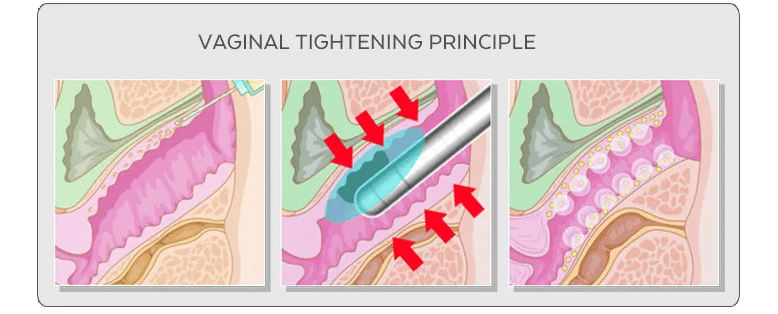
Before getting into the exercises, it helps to understand exactly what you are working with. The pelvic floor is a group of muscles, ligaments, and connective tissues that form the base of the pelvis, stretching like a hammock between the pubic bone at the front and the coccyx at the back. These structures support the bladder, uterus, and rectum, and they play a central role in urinary and bowel control, sexual function, and spinal stability.
During a vaginal delivery, this hammock endures extraordinary mechanical stress. The baby’s head, averaging around 34 centimeters in circumference, passes through a canal surrounded entirely by these muscles. Even in the most straightforward deliveries, microscopic muscle tears and nerve compression occur. In deliveries involving prolonged pushing, a large baby, forceps or vacuum assistance, or significant perineal tearing, the degree of trauma can be considerably greater.
Cesarean deliveries are not an automatic free pass either. The weight of a full-term pregnancy, the hormonal softening of connective tissue throughout gestation, and the postural changes of late pregnancy all affect the pelvic floor regardless of how the baby arrived.
After birth, many women experience a combination of:
- Muscle weakness from tearing and overstretching during delivery
- Nerve injury that reduces proprioception (the brain’s sense of where the pelvic muscles are and what they are doing)
- Connective tissue laxity from the hormone relaxin, which stays elevated for weeks postpartum
- Postural misalignment from months of compensatory movement during pregnancy
Pelvic floor exercises address all of these factors over time. They rebuild muscle strength, stimulate nerve healing, restore connective tissue tension, and retrain movement patterns. But they only produce meaningful results when done correctly, consistently, and progressively. That is what the following exercises are designed to help you do.
Exercise 1: The Classic Kegel, The Cornerstone of Every Pelvic Floor Exercise Postpartum Program
If you have heard of exactly one pelvic floor exercise in your life, it is probably this one. The Kegel, named after gynecologist Dr. Arnold Kegel who developed the technique in the late 1940s, is the cornerstone of pelvic floor rehabilitation for a reason. It directly targets the pubococcygeus muscle, the primary muscle responsible for vaginal tone, urinary control, and pelvic support.
What makes Kegels so effective is their specificity. Unlike a squat or a bridge that recruits dozens of muscles simultaneously, a properly performed Kegel isolates the pelvic floor. When done correctly and consistently, this isolation creates meaningful neuromuscular reconnection, which is critical after childbirth when the pelvic floor can feel numb, disconnected, or simply absent.
How to Perform It Correctly
Many women do Kegels incorrectly without realizing it. They tighten their glutes, hold their breath, or brace their abdomen. None of that is a Kegel. Here is the correct technique:
- Sit comfortably or lie on your back with knees bent and feet flat on the floor.
- Imagine you are trying to stop the flow of urine midstream. The muscles you would engage to do that are your pelvic floor muscles.
- Contract those muscles and hold for 5 to 10 seconds.
- Release completely. The release is just as important as the contraction. Let the muscles relax fully before the next repetition.
- Breathe normally throughout. Do not hold your breath at any point.
- Aim for 10 repetitions, three times per day.
Why it works: The repetitive contraction and release cycle increases blood flow to the pelvic tissues, stimulates muscle fiber recruitment, and gradually rebuilds the neuromuscular pathways that childbirth can disrupt. Think of it like physical therapy for a sprained ankle. You would not just rest it. You would work it, carefully and progressively.
What results to expect: Most women notice measurable improvement in urinary leakage within 4 to 6 weeks of consistent practice. Improvement in vaginal tone and sexual sensation typically develops over 8 to 12 weeks of dedicated effort.
Symptoms it addresses: Stress urinary incontinence, vaginal laxity, reduced sensation during intercourse, mild pelvic organ prolapse, general pelvic floor weakness after vaginal or cesarean delivery.
Exercise 2: Quick-Flick Kegels, The Fast-Response Pelvic Floor Exercise Postpartum That Stops Leaks in Their Tracks
Standard Kegels train the slow-twitch muscle fibers, which are the endurance fibers responsible for maintaining resting tone. But your pelvic floor also contains fast-twitch fibers, and these are the ones that respond to sudden pressure spikes. When you sneeze, cough, laugh, or jump, intra-abdominal pressure rises in a fraction of a second. If your fast-twitch fibers are not trained to respond rapidly, leakage happens before you can do anything about it.
Quick-flick Kegels exist specifically to train this rapid-response system. Think of them as interval sprints for your pelvic floor. The contrast between quick-flick and standard Kegels is similar to the contrast between a 100-meter sprint and a long-distance run. Both build fitness, but they build different kinds.
How to Perform It Correctly
- Get into the same comfortable position as a standard Kegel.
- Contract your pelvic floor muscles as quickly and as forcefully as you can.
- Release immediately. Do not hold. The speed of both the contraction and the release matters here.
- Repeat in rapid succession, aiming for 10 to 20 quick flicks.
- Rest for 10 seconds between sets.
- Repeat the set two to three times.
- Breathe naturally throughout.
Why it works: Rapid, high-intensity contractions specifically recruit and condition fast-twitch muscle fibers, improving the pelvic floor’s ability to brace reflexively in the split second before or during a pressure event. This is precisely the mechanism that prevents stress incontinence during physical activity.
What results to expect: Women who add quick-flick Kegels to their routine alongside standard Kegels typically see faster improvement in exertional leakage. Meaningful results in this area often appear within 4 to 8 weeks of consistent practice.
Symptoms it addresses: Urge incontinence, stress incontinence triggered by sneezing, coughing, or jumping, difficulty returning to high-impact exercise postpartum, leakage during laughing or sudden movement.
Exercise 3: The Pelvic Bridge, A Full-Body Postpartum Pelvic Floor Exercise That Rebuilds Core Connection
The pelvic bridge looks like a simple lower body exercise. And in some workout programs, that is all it is. But when performed with intentional pelvic floor engagement and proper breath coordination, it becomes one of the most efficient postpartum recovery exercises available, training the pelvic floor, glutes, hamstrings, and deep core in a single coordinated movement.
This matters because the pelvic floor does not function in isolation. It is part of an integrated system that includes the diaphragm, the deep abdominal muscles (specifically the transversus abdominis), and the multifidus muscles of the lower back. This system is often called the inner core canister. When one part of the canister is weakened by childbirth, the others compensate, usually inefficiently. The pelvic bridge helps restore coordination of the whole system simultaneously.
How to Perform It Correctly
- Lie on your back with knees bent, feet flat on the floor hip-width apart.
- Inhale to prepare.
- As you exhale, gently engage your pelvic floor with a light Kegel, then slowly lift your hips off the floor by pressing through your heels.
- Hold at the top for 2 to 3 seconds, keeping your spine in a neutral position and avoiding hyperextension of the lower back.
- Slowly lower your hips back to the floor as you inhale.
- Release the pelvic floor engagement completely at the bottom.
- Complete 10 to 15 repetitions.
Why it works: The bridge loads the pelvic floor in a semi-functional position, training it to work cooperatively with the glutes and deep core. The breath coordination reinforces the important relationship between intra-abdominal pressure management and pelvic floor activation, a relationship that childbirth frequently disrupts.
What results to expect: Improved pelvic stability, noticeable reduction in lower back pain (extremely common postpartum), better core activation during daily activities. Most women notice functional improvements within 3 to 6 weeks.
Symptoms it addresses:
Exercise 4: Diaphragmatic Breathing, The Overlooked Postpartum Pelvic Floor Exercise That Changes Everything
This one surprises almost every woman who encounters it for the first time. Breathing, as an exercise? Yes. And here is why it matters more than nearly anything else on this list.
During pregnancy, the growing uterus pushes the diaphragm upward and the pelvic floor downward. This fundamentally alters the pressure dynamics of the inner core canister. After birth, many women unconsciously maintain these compensatory breathing patterns, holding tension in the upper chest, chronically bracing the abdomen, or breathing shallowly from the top of the lungs. These patterns directly impair pelvic floor function, regardless of how many Kegels you are doing.
How to Perform It Correctly
- Lie on your back or sit comfortably in a supported chair with a tall spine.
- Place one hand on your chest and one on your lower belly.
- Inhale slowly through your nose, directing the breath downward into your belly. Your lower hand should rise gently; your upper hand should remain relatively still.
- As you inhale, consciously allow your pelvic floor to soften and descend gently. Do not push down. Simply allow the natural movement.
- Exhale slowly through pursed lips or your mouth. Feel your belly fall as the air leaves, and notice your pelvic floor gently lifting back up.
- Repeat for 5 to 10 breath cycles, two to three times per day.
Why it works: The diaphragm and pelvic floor move in opposition like two ends of a piston: when one descends on the inhale, the other follows, and both recoil on the exhale. Restoring this coordinated relationship is foundational to pelvic floor recovery. According to evidence-based postpartum exercise guidance from the American College of Obstetricians and Gynecologists, restoring proper breathing mechanics supports safe and effective postpartum recovery and should precede the return to higher-intensity exercise.
What results to expect: Reduced pelvic pressure and heaviness, improved pelvic floor coordination, reduction in early prolapse symptoms, and better preparation for returning to exercise. Many women feel noticeably better within 1 to 2 weeks of consistent practice.
Symptoms it addresses: Pelvic heaviness, downward pressure, difficulty relaxing the pelvic floor, chronic breath-holding or abdominal bracing, and preparation for safely resuming high-impact exercise.
Exercise 5: The Functional Squat, A Postpartum Vaginal Tightening Exercise Your Body Was Built to Do
The deep squat is one of the most natural human positions, used across cultures for rest, labor, and daily life for thousands of years. It is also one of the most effective exercises for pelvic floor rehabilitation, provided it is performed correctly and at the right stage of postpartum recovery.
Squats train the pelvic floor eccentrically, meaning they challenge the muscles as they lengthen under load. This type of training builds functional strength that translates directly to the demands of real life: lifting a toddler, picking up a heavy car seat, rising from a low chair while holding a baby. Many women are surprised to learn that pelvic floor weakness is not simply about lacking contraction strength. It is equally about lacking the ability to lengthen under load without losing control.
How to Perform It Correctly
- Stand with feet hip- to shoulder-width apart, toes turned out slightly.
- Inhale as you lower into the squat, allowing your pelvic floor to relax and descend naturally with the movement.
- Lower until your thighs are roughly parallel to the floor, or as deep as feels comfortable without discomfort.
- At the bottom of the movement, take a moment to breathe and feel the pelvic floor gently open.
- Exhale as you press through your heels and return to standing. Gently re-engage the pelvic floor on the way up.
- Complete 10 to 15 repetitions with control.
Important: Avoid squats if you have moderate to severe pelvic organ prolapse symptoms such as heaviness, a noticeable bulge, or dragging sensations, until you have been assessed by a pelvic floor physiotherapist. The downward pressure of a loaded squat can worsen prolapse in the early stages of recovery.
Why it works: Eccentric loading builds both strength and controlled flexibility in the pelvic floor, which is essential for women who have experienced pelvic floor hypertonia (excessive tightness) as well as for those dealing with weakness. Both conditions are more common postpartum than most people realize.
What results to expect: Improved functional pelvic strength, reduced symptoms during daily activity, better tolerance for exercise. Results typically begin to emerge within 4 to 8 weeks of consistent training.
Symptoms it addresses: Functional weakness during daily activity, pelvic floor hypertension or excessive tension, difficulty returning to exercise, hip and pelvic instability.
Exercise 6: The Pelvic Tilt, A Gentle Postpartum Pelvic Floor Exercise That Resets Your Foundation
The pelvic tilt is often dismissed as an entry-level movement that women graduate from quickly. In postpartum recovery, that is a significant underestimation. Many women develop a pronounced anterior pelvic tilt, a forward rotation of the pelvis, during pregnancy as the center of gravity shifts dramatically forward. This postural shift places the pelvic floor muscles in a shortened, mechanically inefficient position, which contributes to lower back pain, hip tightness, and compromised pelvic floor function even after delivery.
The pelvic tilt directly corrects this misalignment. It activates the lower abdominals and resets the pelvis to neutral, allowing the pelvic floor to work from its optimal mechanical position. It is less of an exercise and more of a reset button for your entire core system.
How to Perform It Correctly
- Lie on your back with knees bent and feet flat on the floor.
- Notice the natural arch under your lower back. There should be a small gap between your lumbar spine and the floor.
- Gently flatten that gap by tilting your pelvis upward, drawing your lower back toward the floor without lifting your hips. This is a subtle, controlled movement, not a dramatic one.
- Hold for 5 to 10 seconds while breathing normally.
- Release and return to the natural arch.
- Complete 10 to 15 repetitions.
Why it works: Restoring pelvic neutral optimizes the mechanical position of the pelvic floor muscles, significantly improving their ability to generate force efficiently. It also activates the transversus abdominis, the deepest abdominal muscle and a key component of the inner core canister, which is frequently inhibited after childbirth.
What results to expect: Reduced lower back pain and pelvic girdle pain, measurably better core activation, improved effectiveness of other pelvic floor exercises performed afterward. Most women notice postural and pain improvements within 2 to 4 weeks.
Symptoms it addresses: Lower back pain, anterior pelvic tilt, poor lower abdominal activation, pelvic girdle pain, general core disconnection after delivery.
Exercise 7: The Clam Shell, The Hip-Focused Pelvic Floor Postpartum Exercise That Protects Your Pelvis From the Sides
The clam shell targets the hip abductors and external hip rotators, particularly the gluteus medius. This might seem unrelated to pelvic floor recovery at first glance. But the anatomical connection is both direct and highly important.
The pelvic floor is essentially a hammock suspended between the sit bones and the pubic bone, anchored on each side by the hip structures. When the hip abductors are weak, which is extremely common postpartum due to prolonged sitting, altered gait patterns, and reduced activity during late pregnancy, the pelvis drops and wobbles during walking and exercise. This instability increases the cumulative load on the pelvic floor and can significantly worsen symptoms of prolapse and incontinence. Strengthening the hip stabilizers removes excess pressure from the pelvic floor and allows it to function far more efficiently.
How to Perform It Correctly
- Lie on your side with your hips and knees bent to approximately 45 degrees, one hip stacked directly above the other. Your spine should remain in a neutral, straight position.
- Keep your feet together throughout the entire exercise.
- Inhale, then exhale and rotate your top knee upward, like a clamshell opening, without allowing your pelvis to roll backward. The movement should come entirely from the hip, not from the lower back.
- Hold at the top for 2 to 3 seconds.
- Slowly lower the knee back to the starting position with control.
- Complete 12 to 15 repetitions on each side.
Why it works: Strengthening the gluteus medius and the external hip rotators restores lateral pelvic stability, reducing the mechanical load placed on the pelvic floor during all weight-bearing activities, walking, climbing stairs, and carrying a baby.
What results to expect: Reduced hip and pelvic pain, improved gait mechanics, decreased pelvic floor loading during daily activities, and better exercise tolerance. Improvement is often noticeable within 3 to 5 weeks of consistent practice.
Symptoms it addresses: Hip pain, pelvic instability during walking, worsening prolapse symptoms during activity, postpartum hip weakness, and pain that develops during prolonged standing or carrying.
Exercise 8: The Wall Sit With Pelvic Floor Engagement, An Isometric Postpartum Exercise for Lasting Pelvic Endurance
The wall sit is an isometric exercise, meaning the muscles contract and hold tension without changing length. This type of contraction is particularly valuable for pelvic floor rehabilitation because it trains the slow-twitch endurance fibers under sustained load, which is exactly what the pelvic floor needs to maintain postural support over the course of a full day.
Think about what the pelvic floor actually does in a normal day. It supports the weight of the pelvic organs continuously, responds to pressure fluctuations from breathing and movement, and maintains continent control during every activity. That requires endurance, not just the ability to squeeze hard for five seconds. The wall sit builds that endurance systematically, while also strengthening the quadriceps, glutes, and deep core in the same movement.
How to Perform It Correctly
- Stand with your back flat against a smooth wall, feet about two feet forward.
- Slide your back down the wall until your thighs are parallel to the floor, as if sitting in an invisible chair.
- Your knees should be stacked directly above your ankles, not pushed forward beyond your toes.
- Breathe normally throughout the hold.
- Gently engage your pelvic floor muscles during the hold, as if performing a moderate Kegel. The engagement should feel like a lift, not a clench.
- Hold for 20 to 45 seconds to begin. Build progressively toward 60 to 90 seconds as your strength improves over weeks.
- Rest for 30 seconds between sets, then repeat two to three times.
Why it works: Sustained isometric loading trains pelvic floor endurance, the capacity to maintain structural support under ongoing load, while the quadriceps and glute activation creates a mechanically stable pelvic environment during the hold.
What results to expect: Improved pelvic floor endurance, better structural support during prolonged standing and activity, reduced symptom worsening during the day. Results develop progressively over 4 to 8 weeks.
Symptoms it addresses: Pelvic heaviness that develops and worsens throughout the day, poor endurance during exercise, pelvic floor fatigue, and general weakness under sustained physical demands.
The Complete Comparison Table: Pelvic Floor Exercises Postpartum at a Glance
Not sure where to begin or how to prioritize your efforts? This table summarizes all eight exercises by primary target muscles, key symptoms addressed, difficulty level, and realistic timeline for noticeable results. Use it to build a personal program that matches your current stage of recovery.
| Exercise | Primary Muscles Targeted | Key Symptoms Addressed | Difficulty Level | Results Timeline |
|---|---|---|---|---|
| Classic Kegel | Pubococcygeus, levator ani | Urinary leakage, vaginal laxity, reduced sensation | Beginner | 4 to 6 weeks |
| Quick-Flick Kegel | Fast-twitch pelvic floor fibers | Exertional leakage, sneezing/coughing leaks | Beginner | 4 to 8 weeks |
| Pelvic Bridge | Pelvic floor, glutes, hamstrings, deep core | Core disconnection, lower back pain, instability | Beginner to Intermediate | 3 to 6 weeks |
| Diaphragmatic Breathing | Diaphragm, pelvic floor coordination | Pelvic heaviness, prolapse symptoms, breath-holding | Beginner | 1 to 2 weeks |
| Functional Squat | Pelvic floor (eccentric), glutes, quads | Functional weakness, hypertonia, hip instability | Intermediate | 4 to 8 weeks |
| Pelvic Tilt | Transversus abdominis, pelvic floor | Lower back pain, pelvic misalignment, core inhibition | Beginner | 2 to 4 weeks |
| Clam Shell | Gluteus medius, hip external rotators | Hip pain, lateral instability, worsened prolapse during activity | Beginner to Intermediate | 3 to 5 weeks |
| Wall Sit With Pelvic Engagement | Pelvic floor endurance, quads, glutes | Pelvic heaviness during standing, poor exercise endurance | Intermediate | 4 to 8 weeks |
How to Build Your Weekly Postpartum Recovery Program
Now that you know what each exercise does, here is how to structure them into a practical, progressive weekly program. Consistency matters far more than volume in pelvic floor rehabilitation. Three focused sessions per week will outperform seven rushed, unfocused ones every time.
Weeks 1 to 4: Reconnection Phase
In the early postpartum period, after your healthcare provider clears you for gentle exercise, the goal is not strength. It is reconnection. The pelvic floor muscles may feel distant, weak, or simply impossible to locate after birth. That is entirely normal. The nerve pathways have been stretched and compressed. Focus exclusively on:
- Diaphragmatic breathing daily (5 to 10 breaths, 2 to 3 times per day)
- Classic Kegels (10 repetitions, 3 times per day)
- Pelvic tilt (10 to 15 repetitions, once daily)
Keep sessions to 5 to 10 minutes. More is not better at this stage.
Weeks 4 to 8: Activation Phase
As reconnection improves and the muscles become easier to locate and engage, add progressive challenge:
- Continue diaphragmatic breathing daily
- Add quick-flick Kegels immediately after classic Kegels
- Introduce pelvic bridge (10 to 15 repetitions, 3 times per week)
- Add clam shells (12 to 15 repetitions each side, 3 times per week)
Weeks 8 to 16: Loading Phase
By this stage, many women feel substantially improved. The goal now is building functional strength under meaningful load:
- All of the above, plus functional squats and wall sits
- Begin integrating pelvic floor awareness into daily movements: lifting, climbing stairs, carrying the baby, pushing the stroller
A Necessary Caution About Progressing Too Fast
As NHS guidance on pelvic organ prolapse and pelvic floor recovery clearly notes, returning to high-impact exercise such as running, jumping, and HIIT before the pelvic floor has adequately recovered can worsen symptoms of prolapse and incontinence considerably. The general recommendation is to wait until at least 12 weeks postpartum, and only after pelvic floor symptoms have resolved or significantly improved, before resuming high-impact activity.
If you notice increased pelvic pressure, a dragging sensation, leakage during exercise, or a feeling of something bulging during or after activity, those are signals to pull back immediately and consult a pelvic floor physiotherapist before continuing.
Common Mistakes That Quietly Undermine Pelvic Floor Recovery
Even women who are diligent and motivated about their pelvic floor exercises often make these errors, which undermine progress without them realizing it:
Skipping the release. A pelvic floor that cannot fully relax is as dysfunctional as one that cannot contract. Always release completely between repetitions and allow the muscles to return to their resting state.
Holding the breath. Breath-holding spikes intra-abdominal pressure and directly counteracts the benefit of the contraction. Breathe throughout every single exercise.
Contracting the wrong muscles. If your glutes, inner thighs, or abdomen are tensing significantly during Kegels, you are almost certainly compensating. A pelvic floor physiotherapist can use real-time ultrasound or biofeedback to confirm you are isolating the correct muscles.
Assuming more is better. Overdoing Kegels, particularly if you already have pelvic floor hypertonia (excessive baseline tension), can worsen symptoms rather than improve them. If Kegels cause pain, burning, or worsened leakage, stop immediately and seek professional assessment.
Expecting rapid overnight results. Muscle rehabilitation takes consistent effort over weeks and months. The improvements tend to arrive quietly and incrementally, in the sneeze you survived without leaking, the morning you got through a workout without discomfort. Pay attention to those moments. They are real progress.
When to See a Pelvic Floor Physiotherapist
Pelvic floor physiotherapy is one of the most underutilized postpartum interventions available to women, despite overwhelming evidence supporting its effectiveness. Consider seeking a referral or booking a session if:
- You are leaking urine or feces at any point, regardless of how minor or normal it may seem
- You have a sensation of pelvic heaviness, persistent downward pressure, or a noticeable bulge at the vaginal opening
- Sex is painful or significantly reduced in sensation after your six-week clearance
- You are struggling to locate or engage your pelvic floor muscles at all
- You are preparing to return to running or high-impact exercise
- Your pelvic floor symptoms seem to be worsening rather than improving with exercise
Many countries offer pelvic floor physiotherapy through public health systems at no cost. In others, it is accessed privately. Either way, even one to three sessions can provide a proper assessment, biofeedback training, and personalized guidance that genuinely transforms the trajectory of recovery.
The Long View: Why Pelvic Floor Health Is One of Your Most Important Long-Term Investments
Here is something worth sitting with. The pelvic floor does not just matter for the postpartum year. It matters for the rest of your life.
Postpartum pelvic floor damage that goes unaddressed is a significant risk factor for stress urinary incontinence in midlife, pelvic organ prolapse after menopause, and ongoing sexual dysfunction at any age. The estrogen decline during perimenopause and menopause further reduces pelvic tissue elasticity, which means women who enter that phase with already-compromised pelvic floors frequently experience substantially worse symptoms than women who have rehabilitated effectively.
Starting pelvic floor exercises now, regardless of whether your current symptoms feel minor or manageable, is one of the most impactful long-term health decisions you can make. This is not about vanity. It is about prevention, about the quality of your physical life at 45, at 55, at 70.
Your pelvic floor supported a pregnancy and made way for a birth. After everything it gave, it deserves a few intentional minutes of attention every single day.
Conclusion: Your Body Did Something Remarkable. Now Let It Rebuild.
The exercises in this guide are not quick fixes or trending wellness gimmicks. They are rooted in anatomy, physiology, and decades of clinical evidence. They work when performed consistently, correctly, and with patience. Not all at once. Not in a frantic burst of postpartum motivation that fades by week three. Slowly, steadily, and with genuine attention.
You do not have to accept leaking as a permanent souvenir of motherhood. You do not have to settle for reduced sensation or ongoing pelvic discomfort. And you do not have to wait until symptoms become impossible to ignore before taking action. The window for meaningful improvement is wide open, whether you are six weeks postpartum or six years out.
Start small. Pick one or two exercises from this list and practice them consistently for two full weeks before adding more. Build gradually and pay attention to how your body responds. The improvements will come quietly, in the moments you stop unconsciously planning your bathroom route before a walk, in the intimacy that begins to feel like yours again, in the confidence that comes from knowing you are doing something real for your own recovery.
That is the work. It is unglamorous, often invisible, and entirely worth doing.
Take the Next Step
Know a new mom who needs this? Send her this article. Postpartum pelvic floor health is still dramatically under-discussed, and the women who need this information most are often the least likely to find it on their own.
Read Next:
- How to Know If You Have Pelvic Organ Prolapse (And What to Do About It)
- Diastasis Recti After Pregnancy: The Complete Guide to Healing Your Core
- When Can I Start Running After Having a Baby? The Honest, Evidence-Based Answer
Drop a comment below: Which exercise are you starting with? Have you worked with a pelvic floor physiotherapist and seen results? Share your story below. Your experience might be exactly what another woman needs to read today.
This article is for informational purposes only and does not constitute medical advice. Always consult your healthcare provider or a qualified pelvic floor physiotherapist before beginning any postpartum exercise program, particularly if you experienced complications during delivery or are currently experiencing significant pelvic floor symptoms.
