

Breast Cancer Recurrence Prevention: 13 Evidence-Based Strategies Oncologists Recommend to Keep Cancer From Coming Back
You beat it. You made it through the surgeries, the chemo, the radiation, the endless waiting rooms, and the days when getting out of bed felt like climbing Everest. And now here you are, on the other side, carrying a brand-new question that nobody really prepares you for: what do I do now to keep it from coming back?
You are not alone in that fear. And you are not powerless against it.
Introduction
Breast cancer recurrence is one of the most emotionally loaded topics a survivor faces. The statistics can feel like a fog that never fully lifts. But here is something worth holding onto: the field of breast cancer survivorship has transformed dramatically in the past decade, and the science of prevention has moved right alongside it.
Researchers, oncologists, and survivorship specialists now have a clearer picture than ever before of what truly reduces the risk of breast cancer coming back. Some of these strategies are medical, involving medications and surveillance. Others are deeply personal, involving how you eat, move, sleep, and manage stress. Most fall somewhere in between.
This article breaks down 13 strategies backed by the strongest available evidence, including guidance from the National Comprehensive Cancer Network (NCCN), the American Cancer Society, Memorial Sloan Kettering, and peer-reviewed clinical trials. This is not a list of vague wellness advice. These are specific, actionable, and grounded in real science.
Think of this as your post-treatment playbook.
1. Breast Cancer Recurrence Prevention Starts With Completing Your Prescribed Hormone Therapy
If you were diagnosed with hormone receptor-positive (HR+) breast cancer, which accounts for roughly 70 to 80 percent of all breast cancer cases, your oncologist likely prescribed endocrine therapy. This might be tamoxifen, an aromatase inhibitor, or a combination of both. The science behind why you need to finish this treatment, even when it is inconvenient, is rock solid.
Hormone therapy works by blocking estrogen from fueling cancer cell growth. Most guidelines now recommend five to ten years of endocrine therapy, not just the older standard of five years. Studies have consistently shown that women who stay on hormone therapy longer have meaningfully lower rates of late recurrence, particularly in the bone and distant organs.
The problem? Side effects are real. Joint pain, hot flashes, mood changes, and fatigue cause many women to stop treatment early. If you are struggling, the answer is not to quietly quit. It is to talk to your oncologist about switching agents, adjusting your dose, or managing side effects with targeted interventions. Stopping treatment early is one of the most significant, and most preventable, drivers of recurrence in HR+ breast cancer.
Key points on hormone therapy adherence:
- Tamoxifen is the standard for premenopausal women; aromatase inhibitors (anastrozole, letrozole, exemestane) are preferred for postmenopausal women
- Extended therapy beyond five years reduces late recurrence risk by up to 40 percent in high-risk patients
- Bone density monitoring is recommended, since aromatase inhibitors can reduce bone mass over time
- Side effects can often be managed without discontinuing therapy; always discuss options with your care team
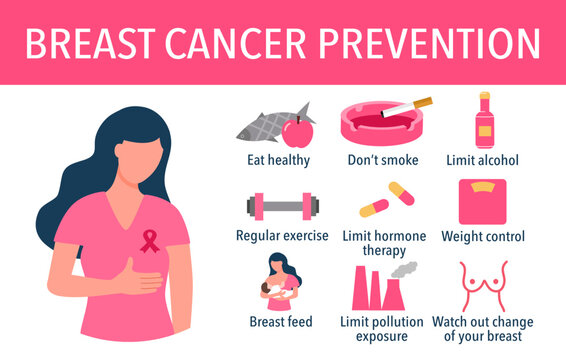
2. The Role of Exercise in Breast Cancer Recurrence Prevention Is Bigger Than You Think
If there is one single lifestyle factor that consistently rises to the top of every major review, it is physical activity. Research has shown that physical activity can reduce breast cancer mortality by about 40 percent, making it the most powerful lifestyle factor in breast cancer outcomes. That is not a typo. Forty percent.
The mechanism is not mysterious. Exercise lowers circulating insulin and insulin-like growth factor, both of which can stimulate cancer cell growth. It also reduces inflammation, improves immune surveillance, and lowers estrogen levels in postmenopausal women, all of which create a less hospitable environment for residual cancer cells.
The American Cancer Society recommends that adults get 150 to 300 minutes of moderate-intensity activity or 75 to 150 minutes of vigorous-intensity activity each week, with getting to or exceeding the upper limit of 300 minutes being ideal. Walking, cycling, swimming, yoga, resistance training, and dancing all count.
How to build a sustainable exercise routine post-treatment:
- Start where you are. Even 20 to 30 minutes of brisk walking three times per week is a meaningful starting point
- Add strength training at least twice weekly. Muscle mass is protective and helps counteract treatment-related weight gain
- Consider working with a certified cancer exercise specialist, particularly if you are managing lymphedema or fatigue
- Track your activity. Women who record their movement consistently exercise more than those who do not
The most important thing is consistency over intensity. A person who walks five days a week for the rest of her life will likely do better than someone who runs a marathon and then stops. Slow and steady really does win this race.
3. Weight Management Is a Core Breast Cancer Recurrence Prevention Strategy
Here is something that surprises many survivors: being overweight or obese at the time of diagnosis, or gaining significant weight after treatment, is independently associated with a higher risk of recurrence and death. A 2014 meta-analysis of more than 213,000 women with early-stage breast cancer found a 35 percent increase in breast cancer-related mortality and a 41 percent increase in overall mortality in women who were obese at diagnosis compared to women of normal weight.
Excess body fat, particularly fat stored around the abdomen, produces estrogen. In postmenopausal women, adipose tissue becomes the body’s primary estrogen source, and elevated estrogen directly feeds HR+ breast cancer cells. Obesity also promotes chronic inflammation and insulin resistance, both of which are associated with cancer progression.
The good news is that weight loss does not need to be dramatic to be meaningful. A 2020 study showed that women over 50 who lost 10 or more pounds and sustained that loss could reduce their future breast cancer risk by 32 percent. That is achievable for most people.
Practical strategies for post-treatment weight management:
- Focus on sustainable changes, not crash diets. Severe caloric restriction often backfires and leads to muscle loss
- Combine moderate caloric reduction with resistance training to preserve lean mass while losing fat
- Address treatment-induced metabolic changes. Chemotherapy and menopause can both slow metabolism significantly
- Work with a registered dietitian who specializes in oncology nutrition if possible
4. Anti-Inflammatory Diet Choices Support Breast Cancer Recurrence Prevention
No single food will prevent breast cancer from returning. But the overall pattern of your diet matters quite a bit. The emerging consensus in oncology nutrition points toward diets that are high in fiber, rich in colorful vegetables and fruits, and low in saturated fat and processed foods.
The World Cancer Research Fund and American Institute for Cancer Research estimate that approximately 30 percent of breast cancer cases in the United States are preventable through modifiable risk factors, including diet. For survivors, the stakes are even more direct, since diet influences the hormonal and inflammatory environment in which any remaining cancer cells either thrive or struggle.
A few specific nutrients and foods stand out in the research. Cruciferous vegetables like broccoli, cabbage, and cauliflower contain indole-3-carbinol, which may support healthy estrogen metabolism. Omega-3 fatty acids from fatty fish, walnuts, and flaxseed have anti-inflammatory properties. And soy, despite years of controversy, does not appear to increase recurrence risk and may actually be modestly protective. Research shows that soy products have not been found to increase breast cancer recurrence and may actually reduce it.
Evidence-backed dietary priorities for survivors:
- Emphasize vegetables, fruits, legumes, whole grains, and lean proteins
- Limit saturated fat, especially from high-fat dairy products and processed meats
- Include soy foods (tofu, edamame, tempeh) without fear. Whole food soy is not the same as synthetic phytoestrogen supplements
- Prioritize fiber. High-fiber diets support a healthier gut microbiome, which in turn influences estrogen metabolism
- Stay adequately hydrated and limit sugary beverages
5. Alcohol Elimination Is One of the Most Underrated Breast Cancer Recurrence Prevention Steps
This one deserves its own section, because it is often glossed over in survivorship conversations and it should not be. Alcohol is a Group 1 carcinogen, meaning it is definitively classified as a cause of cancer in humans.
Women who have one alcoholic drink per day have a 7 to 10 percent increase in breast cancer risk compared to non-drinkers, and women who have two to three drinks per day have about a 20 percent higher risk. For survivors, the concern is not just about new primary cancers. Alcohol raises circulating estrogen levels, increases inflammation, impairs DNA repair, and suppresses immune function, all of which can make recurrence more likely.
The recommendation from most major cancer organizations is clear: if you are a breast cancer survivor, the safest amount of alcohol is zero. The Mayo Clinic’s evidence-based guidance on breast cancer prevention specifically recommends limiting or completely avoiding alcohol, noting that even small amounts raise risk.
If giving up alcohol entirely feels difficult, be honest with yourself and your care team about that. Alcohol dependence is a medical condition that responds to treatment, and there is no shame in asking for support. What matters is that you understand the stakes and make an informed choice.
6. Completing Recommended Adjuvant Therapies Drives Breast Cancer Recurrence Prevention
Beyond hormone therapy, many survivors qualify for additional adjuvant (post-surgery) treatments that specifically target the biological features of their tumor. This is one of the most rapidly evolving areas in breast cancer oncology, and the options available in 2025 are dramatically better than they were even five years ago.
For women with HER2-positive early breast cancer, extended anti-HER2 therapy with drugs like trastuzumab (Herceptin) and pertuzumab has significantly changed long-term outcomes. For triple-negative breast cancer, immunotherapy with pembrolizumab has shown meaningful improvements in pathologic complete response and event-free survival in early-stage disease. And for HR+/HER2- breast cancer with high-risk features, CDK4/6 inhibitors have moved from the metastatic setting into early-stage treatment.
Results from the monarchE trial, following participants for a median of 6.3 years, showed that adding abemaciclib (a CDK4/6 inhibitor) to hormone therapy reduced the risk of death by 15.8 percent in those with high-risk early HR+/HER2-negative breast cancer, making it the first CDK4/6 inhibitor shown to improve overall survival in early breast cancer.
The key takeaway here is this: ask your oncologist whether you are a candidate for any adjuvant therapies beyond standard hormone treatment. The conversation itself could save your life.
7. Consistent Follow-Up Surveillance Is Non-Negotiable for Breast Cancer Recurrence Prevention
One of the quieter pillars of recurrence prevention is something deceptively simple: showing up for your follow-up appointments. Surveillance is how recurrences get caught early, when they are most treatable, and how your care team monitors for treatment-related side effects that could affect your long-term health.
Standard surveillance recommendations for most breast cancer survivors include annual mammography (or MRI in high-risk individuals), periodic physical exams, and bone density monitoring for those on aromatase inhibitors. Your oncologist may also recommend additional imaging based on your tumor biology, stage, and family history.
Guidelines for long-term breast cancer survivorship should focus on the early identification of recurrence, the management of late complications such as osteopenia and metabolic syndrome, and comprehensive psychosocial support. That is a comprehensive vision of survivorship that goes well beyond just watching for cancer.
Many women reduce or stop their surveillance once they feel well. This is understandable, but it is a mistake. Breast cancer can recur years or even decades after the initial diagnosis, particularly in HR+ cases. The risk of distant recurrence among patients with early breast cancer diagnosed after the year 2000 was approximately 20 percent lower than the risk among those diagnosed in the 1990s, largely because of improvements in follow-up and adjuvant treatment. You deserve to benefit from those improvements.
8. Smoking Cessation Is a Genuine Breast Cancer Recurrence Prevention Measure
If you smoke, quitting is one of the most powerful things you can do for your survivorship. The association between smoking and breast cancer outcomes is stronger than many people realize.
In female smokers who have undergone a partial mastectomy due to breast cancer, the chance of recurrence is about 6.7 times higher than that of women who have never smoked. Even accounting for stage and other prognostic factors, women who continue to smoke after a breast cancer diagnosis have significantly higher mortality rates.
The mechanisms are multi-layered. Cigarette smoke introduces carcinogens that damage DNA and interfere with cellular repair processes. It also impairs immune function, promotes inflammation, and reduces the effectiveness of some cancer treatments. If you are on hormone therapy, smoking further increases your cardiovascular risk, which is already elevated in women on certain endocrine agents.
Quitting smoking is genuinely hard, and it deserves to be approached with the same seriousness as any other medical intervention. Evidence-based cessation tools, including nicotine replacement therapy, prescription medications like varenicline or bupropion, and behavioral counseling, are available and effective. Ask your oncologist or primary care provider for a referral or prescription.
9. Managing Stress and Mental Health Supports Breast Cancer Recurrence Prevention
The mind-body connection in cancer survivorship is real, even if it is sometimes oversimplified in popular culture. Chronic psychological stress activates the hypothalamic-pituitary-adrenal (HPA) axis, leading to elevated cortisol and catecholamine levels. These hormones, when chronically elevated, promote inflammation, suppress immune function, and may even influence tumor microenvironments.
Anxiety and depression are extremely common in breast cancer survivors, affecting up to 40 percent of women in the first year post-treatment. These are not signs of weakness. They are normal responses to an enormously stressful experience. And they deserve proper treatment, not just “positive thinking.”
Evidence-based psychological interventions, including cognitive behavioral therapy (CBT), mindfulness-based stress reduction (MBSR), and support groups, have been shown to improve quality of life and may support immune function in cancer survivors. Exercise, which is already on this list for its direct anti-cancer benefits, is also one of the most well-documented treatments for anxiety and depression.
Practical mental health strategies for survivors:
- Ask your care team for a referral to an oncology social worker or psycho-oncologist
- Investigate whether mindfulness-based programs are available through your cancer center
- Join a survivor support group. Peer support reduces isolation and improves coping
- Do not discontinue antidepressant or anti-anxiety medications without discussion. Some SSRIs can interact with tamoxifen, so your prescribers need to communicate
- Protect your sleep. Chronic sleep deprivation is both a cause and consequence of anxiety, and impairs immune function
10. Vitamin D Optimization Plays a Supportive Role in Breast Cancer Recurrence Prevention
Vitamin D is not a miracle cure, and it should not be treated as one. But the evidence connecting low vitamin D levels to worse breast cancer outcomes is consistent enough that most survivorship guidelines recommend optimization, particularly for women at risk of bone loss from aromatase inhibitors.
Multiple observational studies have found that breast cancer survivors with higher vitamin D levels have better disease-free survival outcomes. The proposed mechanisms include vitamin D’s role in regulating cell proliferation, promoting apoptosis (programmed cell death) in abnormal cells, and modulating immune function.
Sun exposure is the most natural source of vitamin D, but it is also inconsistent and affected by latitude, skin tone, and sun avoidance habits that are entirely reasonable after skin exposure to radiation therapy. Dietary sources include fatty fish, fortified dairy and plant milks, and eggs, but food alone rarely provides optimal levels.
Most breast cancer survivors benefit from supplementation. The commonly recommended dose is 1,000 to 2,000 IU per day, though some women with significant deficiency may need much more under medical supervision. Ask your oncologist or primary care provider to check your 25-hydroxyvitamin D level and supplement accordingly.
11. Bone Health Protection Is an Integral Part of Breast Cancer Recurrence Prevention
This might not seem directly related to preventing cancer, but hear this out. Breast cancer survivors, particularly those on aromatase inhibitors or who experience treatment-induced early menopause, are at significantly elevated risk for osteoporosis and fractures. Beyond the obvious quality-of-life implications, bone health is directly connected to survivorship because bone is one of the most common sites of breast cancer metastasis.
Keeping bone tissue healthy and dense may create a less hospitable environment for metastatic spread. And maintaining physical function through strong bones means you can keep exercising, which, as covered earlier, is one of your most powerful tools.
Evidence-based strategies for bone health in survivors:
- Weight-bearing exercise (walking, jogging, resistance training) builds and maintains bone density
- Adequate calcium intake through diet or supplementation (1,000 to 1,200 mg per day for most women)
- Vitamin D optimization (as discussed above)
- Discuss bisphosphonate therapy with your oncologist if you are on aromatase inhibitors. Medications like zoledronic acid not only protect bone but may also have direct anti-tumor effects in some breast cancer subtypes
- Baseline and follow-up DEXA scans to monitor bone density throughout treatment
12. Sleep Quality and Circadian Rhythm Alignment Support Breast Cancer Recurrence Prevention
Sleep is profoundly underrated in oncology conversations, but the science supporting its importance is compelling. During deep sleep, the immune system releases cytokines and conducts crucial surveillance and repair activities. Chronic sleep disruption impairs these processes, promotes inflammation, and dysregulates hormones including cortisol and insulin.
Multiple large studies have linked short sleep duration and poor sleep quality to worse cancer outcomes, including higher rates of recurrence and mortality. Shift work, particularly night shift work, has been classified as a probable carcinogen by the International Agency for Research on Cancer, precisely because of its effects on circadian rhythm disruption.
For survivors dealing with insomnia, hot flash-related sleep disruption, anxiety, or treatment-related fatigue, getting seven to nine hours of quality sleep per night can feel like a cruel joke. But there are real interventions that help.
Practical approaches to improving sleep quality:
- Maintain a consistent sleep and wake schedule, even on weekends
- Keep your bedroom cool and dark. Hot flashes are worse in a warm room
- Cognitive behavioral therapy for insomnia (CBT-I) is more effective than sleeping pills for long-term insomnia management
- Discuss hot flash management with your oncologist. Non-hormonal options including venlafaxine, gabapentin, and acupuncture can reduce nighttime hot flashes significantly
- Limit screen use for 60 minutes before bed and reduce caffeine after noon
13. Genomic Testing and Personalized Risk Stratification Enhance Breast Cancer Recurrence Prevention
This strategy is less about what you do at home and more about ensuring you and your oncologist have the full picture of your individual risk. Genomic testing tools have transformed survivorship planning by identifying which women truly need extended therapy, which can safely de-escalate treatment, and who might benefit from emerging targeted agents.
Tests like Oncotype DX, MammaPrint, and Prosigna analyze gene expression patterns within your tumor to predict how likely it is to recur over the next 10 years. These tests have changed tens of thousands of treatment decisions. The MammaPrint genomic test has helped identify which patients are at higher risk of recurrence, with findings showing that women 70 and older with MammaPrint High 2 cancers may benefit from chemotherapy, demonstrating about an 11 percent improvement in recurrence-free survival at three years.
If you have not had genomic testing, or if your initial testing was done several years ago before current platforms were available, ask your oncologist whether updated testing would change your surveillance or treatment plan. The American Cancer Society’s comprehensive breast cancer guidance continues to evolve alongside these testing advances, and your care should reflect the most current evidence.
Additionally, liquid biopsy technology is emerging as a powerful surveillance tool. These tests are so sensitive they can detect just a few bits of tumor DNA out of a million normal DNA fragments, enabling oncologists to intervene much earlier and stop recurrence before it takes hold. While not yet standard practice for all survivors, liquid biopsy is moving toward broader clinical use and is worth a conversation with your oncologist.
Comparison Table: Breast Cancer Recurrence Prevention Strategies at a Glance
| Strategy | Type | Evidence Level | Estimated Risk Reduction | Time to Benefit |
|---|---|---|---|---|
| Complete hormone therapy | Medical | Very High (RCTs) | 30 to 50% in HR+ cancer | 1 to 10 years |
| Regular physical activity | Lifestyle | High (meta-analyses) | Up to 40% reduction in mortality | 3 to 6 months onward |
| Weight management | Lifestyle | High (observational + RCT) | 30 to 35% with sustained loss | 6 to 12 months onward |
| Anti-inflammatory diet | Lifestyle | Moderate | Unclear but supportive | Ongoing |
| Alcohol elimination | Lifestyle | High (cohort studies) | 7 to 20% per drink/day avoided | Immediate to 1 year |
| Adjuvant therapies (CDK4/6 inhibitors, immunotherapy) | Medical | Very High (RCTs) | 15 to 50% depending on subtype | 2 to 5 years |
| Consistent surveillance | Medical | High (clinical standard) | Indirect (early detection) | Immediate onward |
| Smoking cessation | Lifestyle | High (cohort studies) | Up to 6.7x risk if continued | 1 to 5 years |
| Stress and mental health management | Behavioral | Moderate | Indirect via immune function | 3 to 6 months |
| Vitamin D optimization | Supplement | Moderate (observational) | Supporting evidence, not definitive | Ongoing |
| Bone health protection | Medical/Lifestyle | High for quality of life | Indirect via overall health | Ongoing |
| Sleep quality improvement | Lifestyle | Moderate to High | Indirect via immune regulation | 1 to 3 months |
| Genomic testing and personalized care | Medical | Very High (RCTs) | Varies by subtype and findings | Immediate planning |
Putting It All Together
Here is the honest truth: no single strategy on this list is a guarantee. Breast cancer recurrence can happen even in women who do everything right, and that is not a failure on anyone’s part. But the cumulative weight of evidence is clear. Women who adhere to hormone therapy, exercise regularly, maintain a healthy weight, avoid alcohol, quit smoking, prioritize sleep, and stay connected to their oncology care team have meaningfully lower recurrence rates than those who do not.
This is not about perfection. It is about consistent, informed choices. About treating your body like the remarkable, resilient thing it is. About advocating for yourself in every oncology appointment and asking whether every tool available is being used for your care.
You did the hardest part. You survived. Now you get to use every piece of science at your disposal to make that survival last as long and feel as full as possible.
One more thing worth saying: the fear does not fully go away, and you do not have to pretend it does. But taking informed action is one of the most powerful antidotes to that fear. Every walk you take, every follow-up appointment you keep, every glass of wine you skip is an act of fighting back. Not once, but every single day.
Keep Reading and Take Action
Share this with a breast cancer survivor who deserves to know her options. The more women who have access to this information, the more empowered survivorship looks for everyone.
Your next steps:
- Print this article and bring it to your next oncology appointment to ask which strategies apply specifically to your cancer subtype and stage
- If you have not had genomic testing, ask your oncologist whether you qualify
- Consider requesting a formal survivorship care plan that incorporates lifestyle, surveillance, and medical strategies together
- Connect with a breast cancer survivorship program at a comprehensive cancer center near you
Drop a comment below: Which of these strategies are you already using, and which surprised you most?
This article is intended for informational purposes only and does not constitute medical advice. Always consult your oncologist or healthcare provider before making changes to your treatment plan, supplements, or lifestyle strategies.
