Category

Vaginal & Intimate Health

Category

7 Dangerous Vaginal Infection Signs Every Woman Must Recognize Immediately

Your body is trying to tell you something, and if you have been ignoring that unusual itch, strange smell, or discomfort “down there,” this article could change everything.

Vaginal infections are among the most common health conditions affecting women worldwide, yet they remain one of the most under-discussed, misunderstood, and dangerously delayed in diagnosis. Millions of women mistake the warning signs for something minor, dismiss them as temporary, or feel too embarrassed to bring them up with a doctor until the problem has already escalated into something far more serious.

Here is the truth: caught early, most vaginal infections are straightforward to treat, often resolved in a matter of days. Left unaddressed, they can spiral into pelvic inflammatory disease, fertility complications, chronic pain, and in some cases, become a gateway for more serious conditions including sexually transmitted infections and even cervical health problems.

This guide breaks down the seven most critical vaginal infection signs that every woman needs to recognize, understand, and act on immediately. No medical jargon. No shame. Just clear, honest information that could protect your health today.

Vaginal Infection


1. Unusual Vaginal Discharge Is One of the First Vaginal Infection Signs to Watch

Vaginal discharge is completely normal. Every woman has it, and its consistency and volume naturally shift throughout the menstrual cycle. What is not normal is when that discharge changes color, texture, or smell in ways that feel unfamiliar to you.

Healthy discharge is typically clear to milky white, has a mild or neutral odor, and does not cause any irritation. The moment it starts looking yellow, green, gray, or chunky, your body is waving a red flag that something has changed in the vaginal environment.

What to watch for:

  • Thick, white, cottage-cheese-like discharge, which is a hallmark sign of a yeast infection (candidiasis)
  • Thin, grayish or white discharge with a strong fishy odor, which strongly suggests bacterial vaginosis (BV)
  • Yellow or green discharge, especially if it is frothy or accompanied by itching, which can indicate trichomoniasis, a sexually transmitted infection
  • Any discharge that is noticeably different from your personal baseline, even if it does not match a textbook description

Every woman’s body is different, and only you know what your “normal” looks like. Trust that internal knowledge. If something feels off, it probably is.


2. Persistent Vaginal Itching and Burning Are Classic Vaginal Infection Symptoms You Should Never Ignore

An occasional, brief itch is rarely cause for concern. But when the itching is persistent, intense, or accompanied by a burning sensation, especially during urination or sex, it is one of the clearest vaginal infection symptoms your body can produce.

Itching and burning in the vaginal area are caused by inflammation of the delicate vaginal tissues, usually triggered by an overgrowth of harmful bacteria or fungi, or by the introduction of a pathogen through sexual contact.

Common causes behind this symptom include:

  • Yeast infections, caused by an overgrowth of Candida fungus, are the number one cause of vaginal itching and produce intense, uncomfortable burning sensations
  • Bacterial vaginosis disrupts the natural lactobacilli balance, causing mild to moderate irritation that can worsen over time
  • Contact dermatitis from scented soaps, douches, or synthetic underwear can mimic infection symptoms and sometimes make a true infection harder to identify
  • Trichomoniasis, a parasitic STI, frequently causes severe itching, redness, and swelling in addition to discharge changes

According to the Centers for Disease Control and Prevention’s overview of vaginal health and top STI prevention resources, trichomoniasis alone affects an estimated 2.6 million Americans annually, and the majority of cases go undiagnosed because people assume the symptoms are something else entirely.

Do not power through persistent itching or burning with over-the-counter creams unless you have already been diagnosed. Self-treating the wrong infection can delay proper care and allow the real problem to worsen.


3. A Strong or Fishy Vaginal Odor Is a Tell-Tale Vaginal Infection Sign That Demands Attention

The vagina has a natural, mild scent that varies slightly throughout the menstrual cycle. That is completely normal. But a strong, unpleasant, or distinctly fishy odor, particularly one that intensifies after sex or during your period, is one of the most recognizable vaginal infection signs associated with bacterial vaginosis.

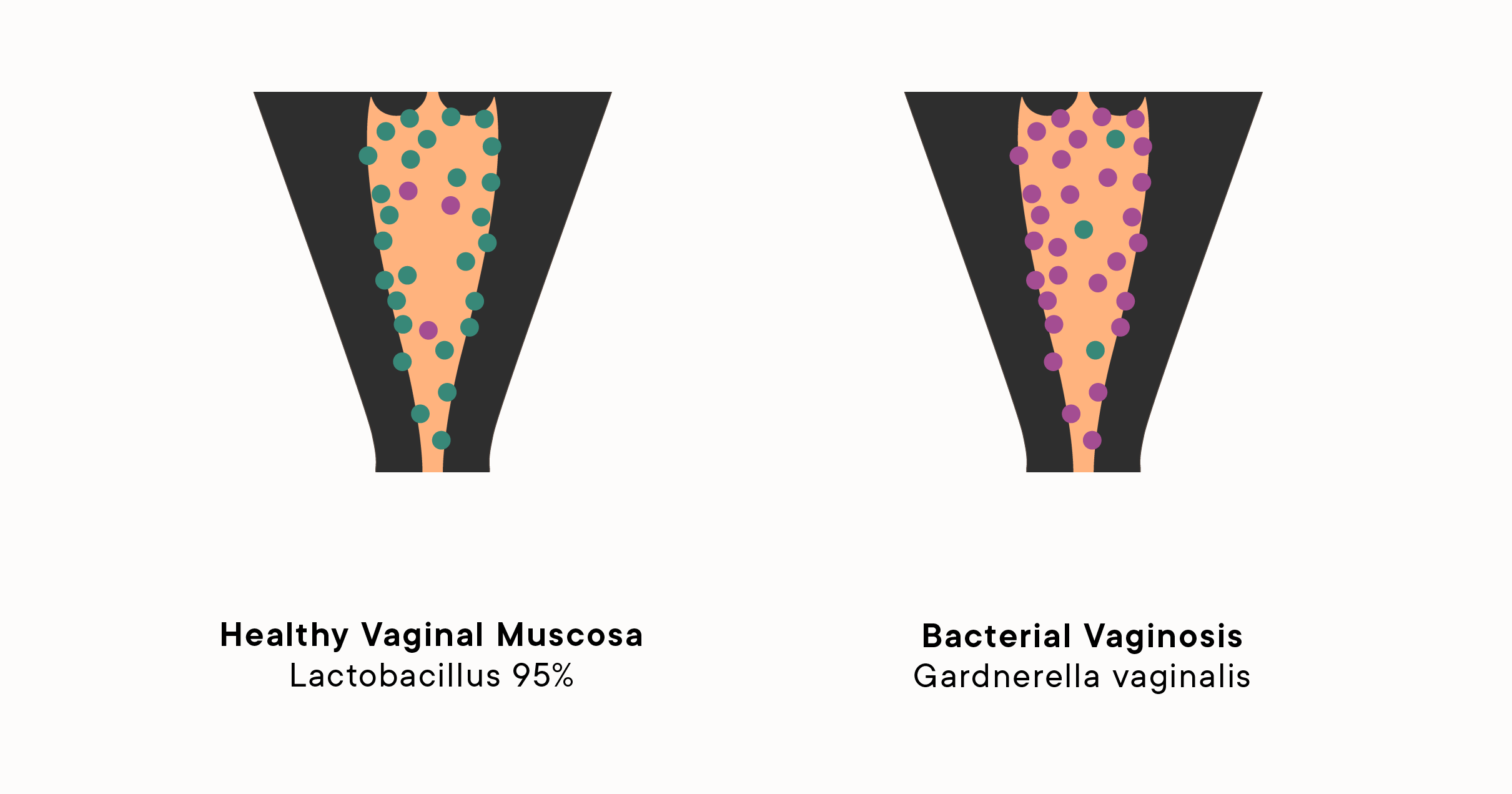
Bacterial vaginosis is the most common vaginal infection in women between the ages of 15 and 44. It occurs when the balance of bacteria in the vagina is disrupted, allowing harmful bacteria like Gardnerella vaginalis to overpopulate and crowd out the protective lactobacilli.

Why the odor gets worse after sex:

When semen, which is alkaline, comes into contact with the vaginal environment during BV, it temporarily raises the pH level. This creates a brief but noticeable spike in the fishy odor that many women describe as embarrassing and alarming. This is not a hygiene issue. It is a chemical reaction pointing to a medical condition.

Bacterial vaginosis left untreated increases the risk of contracting sexually transmitted infections, including HIV, and has been linked to preterm birth in pregnant women. It is also associated with pelvic inflammatory disease if bacteria travel upward into the uterus and fallopian tubes.

If you are noticing a smell that feels unfamiliar or stronger than usual, do not try to mask it with feminine deodorant sprays. Those products can actually worsen the imbalance. See a healthcare provider and get tested.


4. Pain or Discomfort During Sex Can Signal Serious Vaginal Infection Symptoms Worth Investigating

Sex should not hurt. While occasional discomfort can be linked to insufficient lubrication or stress-related tension, pain during penetration or after sex is one of the vaginal infection symptoms that often gets dismissed, minimized, or blamed on the wrong cause.

When a vaginal infection is present, the tissues inside and around the vagina become inflamed. They swell, become hypersensitive, and lose their natural resilience. Any friction against those tissues, even gentle friction, can produce sharp, burning, or aching pain that lingers well after the encounter ends.

What the pain can indicate:

  • Yeast infections cause significant tissue inflammation, making even mild contact intensely uncomfortable
  • Bacterial vaginosis and trichomoniasis both affect vaginal tissue health and can make sex painful or deeply unpleasant
  • Chlamydia and gonorrhea, two common bacterial STIs that often present with minimal symptoms, can cause pelvic pain and discomfort during sex as the infection spreads internally
  • Herpes outbreaks, which can be localized inside or near the vaginal opening, cause intense pain and burning that is often mistaken for another type of infection

If you are experiencing recurrent pain during sex, do not simply accept it as your normal. That conversation with your doctor, as awkward as it might feel, could catch something that is entirely treatable at this stage but becomes far more complicated if it spreads.


5. Vaginal Redness, Swelling, and Soreness Are Physical Vaginal Infection Signs You Can See and Feel

Vaginal infections do not stay internal. The physical signs often extend to the vulva, the external tissue surrounding the vaginal opening, and they are some of the most visible vaginal infection signs you can observe with a hand mirror or simply notice through touch and sensation.

Redness, puffiness, and tenderness in the vulvar area indicate that your immune system is actively responding to something it perceives as a threat. The increased blood flow to the area, part of the inflammatory response, causes that characteristic pink-to-red flushed appearance and the uncomfortable soreness that makes even sitting or walking feel irritating.

What you might notice:

  • The labia minora or majora appear redder or more swollen than usual
  • The skin around the vaginal opening feels tender to the touch, like a mild bruise
  • Wearing tight underwear or pants becomes noticeably uncomfortable
  • There is a general feeling of heat or warmth in the pelvic area that does not resolve

These physical signs become particularly important in cases of herpes, where small blisters or sores may appear on the vulva or vaginal tissue. Those sores can be easy to miss or confuse with ingrown hairs or razor irritation, especially during a first outbreak when you have no prior reference point.

Redness and swelling that appear alongside any other symptom on this list should be treated as a combination signal, meaning multiple signs appearing together almost always indicate that something requires medical evaluation.


6. Painful, Frequent, or Burning Urination Is a Vaginal Infection Symptom That Overlaps With Other Conditions

Here is where things get tricky. Painful or burning urination is most commonly associated with urinary tract infections (UTIs), and many women self-diagnose a UTI when they experience this symptom. But this is one of the vaginal infection symptoms that overlaps across several conditions, and misidentifying which one you have can lead to the wrong treatment and continued suffering.

When vaginal tissues are inflamed from an infection, urine passing over those irritated external tissues creates a sharp, burning sensation. This is sometimes called “external dysuria” and it is distinct from the internal burning of a classic UTI, though the two can coexist or be easily confused.

Conditions that cause this symptom:

  • Yeast infections frequently cause external burning during urination, particularly when urine contacts the inflamed skin around the vaginal opening
  • Trichomoniasis can cause urinary frequency and discomfort that mirrors a UTI almost perfectly
  • Chlamydia and gonorrhea, when they affect the urethra, produce burning urination that most people assume is a UTI until testing reveals otherwise
  • Herpes can cause extreme pain during urination if sores are present near the urethral opening

The danger here is assuming you know what you have based on one symptom. A positive yeast infection test from a pharmacy kit only rules in Candida. It does not rule out anything else. If you are experiencing urinary symptoms alongside any other sign from this list, see a healthcare provider for a full evaluation rather than treating one condition while another goes unaddressed.


7. Pelvic Pain or Pressure Is Among the Most Serious Vaginal Infection Signs and Should Never Be Delayed

All of the previous symptoms can be uncomfortable, disruptive, and even painful. But pelvic pain or pressure, especially if it is constant, worsening, or accompanied by fever, represents a significant escalation. This is the vaginal infection sign that most clearly suggests an infection has moved beyond the vaginal canal into deeper structures.

Pelvic inflammatory disease (PID) develops when bacteria, usually from an untreated bacterial vaginosis or STI like chlamydia or gonorrhea, migrate upward through the cervix into the uterus, fallopian tubes, and sometimes the ovaries. PID is one of the leading preventable causes of infertility in women worldwide.

Warning signs that suggest PID or serious infection spread:

  • A dull, aching pain in the lower abdomen or pelvis that does not go away
  • Pain that worsens during sex, particularly with deep penetration
  • Fever above 38°C (100.4°F) combined with any vaginal symptoms
  • Unusual bleeding between periods or after sex
  • Nausea or vomiting alongside pelvic discomfort
  • A general feeling of being unwell or run-down that coincides with vaginal symptoms

According to the World Health Organization’s essential facts on sexually transmitted infections and reproductive health complications, untreated STIs and related vaginal infections contribute to an estimated 17,000 cases of infertility in women each year in the United States alone. PID is the mechanism behind most of those cases.

If you are experiencing pelvic pain combined with fever, do not wait for a scheduled appointment. Go to an urgent care clinic or emergency room. This level of infection can escalate quickly, and early antibiotic treatment is the difference between full recovery and long-term complications.


Vaginal Infection Comparison: Symptoms, Causes, and Treatment Overview

Understanding which infection you may be dealing with helps you have a more informed conversation with your healthcare provider. Use this table as a reference guide, not a diagnostic tool.

Infection Type Common Discharge Primary Symptoms Typical Treatment Risk If Untreated
Yeast Infection (Candidiasis) Thick, white, cottage-cheese texture Intense itching, burning, redness, swelling Antifungal cream or oral fluconazole Chronic recurrence, tissue damage
Bacterial Vaginosis (BV) Thin, gray/white, fishy odor Odor (worse after sex), mild itching, discharge Oral or topical metronidazole or clindamycin PID, increased STI susceptibility, preterm birth
Trichomoniasis Frothy, yellow-green, strong odor Itching, burning, painful urination, redness Oral metronidazole or tinidazole Increased HIV risk, pregnancy complications
Chlamydia Usually none or mild increase Often no symptoms, pelvic pain, burning urination Oral azithromycin or doxycycline PID, infertility, ectopic pregnancy
Gonorrhea Yellow or green, increased volume Burning urination, pelvic pain, spotting Dual antibiotic therapy (ceftriaxone + azithromycin) PID, infertility, systemic infection
Genital Herpes (HSV-2) No discharge change Blisters/sores, burning, painful urination Antiviral therapy (acyclovir, valacyclovir) Chronic outbreaks, neonatal transmission
Vulvovaginal Candidiasis (Recurrent) Persistent thick white discharge Chronic itching, burning, repeated episodes Long-term antifungal suppression therapy Significant quality-of-life impact, secondary skin damage

Important note: Many of these infections, particularly chlamydia and gonorrhea, can be completely asymptomatic in early stages. Regular testing, not just symptom monitoring, is the only way to catch silent infections before they cause damage.


When to See a Doctor: Your Action Timeline for Vaginal Infection Signs

Timing matters enormously when it comes to vaginal infections. Here is a practical guide for when to seek care based on what you are experiencing.

See a Doctor Within 24 to 48 Hours If You Notice:

  • Fever accompanying any vaginal symptoms
  • Pelvic pain or pressure that is new or worsening
  • Sores, blisters, or ulcers in or around the vaginal area
  • Symptoms that are rapidly worsening rather than stable

Schedule an Appointment This Week If You Have:

  • Discharge changes that have lasted more than a few days
  • Persistent itching or burning that is not resolving on its own
  • Pain during sex that has occurred more than once
  • A strong or unfamiliar odor that has not changed after your period

Get Tested Regularly Even Without Symptoms If:

  • You are sexually active with new or multiple partners
  • You have a history of STIs or vaginal infections
  • You are pregnant or trying to conceive
  • You have a compromised immune system or are on antibiotics, steroids, or immunosuppressants

A full vaginal infection panel at your gynecologist or sexual health clinic typically takes minutes to complete and can identify bacterial, fungal, and viral causes with a high degree of accuracy. It is genuinely one of the most important health investments you can make in yourself.


Why Women Delay Treatment and Why That Needs to Change

The statistics around delayed treatment for vaginal infections are sobering. Studies consistently show that women wait an average of one to three months before seeking care for vaginal symptoms, often because of embarrassment, the assumption that it will resolve on its own, or a lack of access to healthcare.

Here is what that delay actually costs in practical terms.

A yeast infection caught early is a three-day antifungal course. Left for months, it can develop into chronic vulvovaginal candidiasis that requires months of suppressive therapy and significantly impacts quality of life.

Bacterial vaginosis treated promptly with a one-week antibiotic course resolves cleanly. Left untreated during pregnancy, it increases the risk of preterm labor and low birth weight.

Chlamydia treated in the acute stage with a single dose of antibiotics clears without a trace. Untreated chlamydia spreading into the fallopian tubes causes scarring that can result in ectopic pregnancy or permanent infertility.

The shame cycle around vaginal health is real and it is dangerous. Vaginal infections are not moral failures, they are medical events. They happen to women of every age, background, relationship status, and level of hygiene. A vaginal infection does not mean you did anything wrong. But not getting it treated might mean your body pays a price it did not need to.


Practical Prevention: Reducing Your Risk of Vaginal Infection

While no prevention strategy is foolproof, these evidence-based practices meaningfully reduce the frequency and severity of vaginal infections.

For day-to-day habits:

  • Wear breathable, cotton underwear and avoid very tight clothing, which traps moisture and creates a hospitable environment for bacterial and fungal overgrowth
  • Wipe front to back after using the bathroom to prevent fecal bacteria from entering the vaginal area
  • Avoid douching entirely, the vagina is self-cleaning and douching disrupts its natural pH and bacterial balance
  • Use fragrance-free soaps and intimate wash products, scented products are a leading cause of contact dermatitis and bacterial imbalance
  • Change out of wet swimsuits and gym clothes promptly, yeast thrives in warm, moist environments

For sexual health:

  • Use condoms consistently, they significantly reduce transmission risk for STIs including chlamydia, gonorrhea, trichomoniasis, and herpes
  • Get tested for STIs regularly, and ask partners to do the same, particularly with new sexual relationships
  • Urinate after sex to help flush bacteria from the urethra, reducing cross-contamination risk

For general immune and gut health:

  • A diet rich in probiotics, including yogurt, kefir, and fermented foods, supports the growth of beneficial Lactobacillus bacteria that protect vaginal health
  • Manage blood sugar levels carefully if you have diabetes or pre-diabetes, high glucose levels feed Candida overgrowth
  • Avoid unnecessary antibiotic use, antibiotics kill beneficial vaginal bacteria alongside the pathogens they target, setting the stage for yeast infections

These habits are not complicated, but they are cumulative. Consistent practice over time dramatically lowers your baseline risk.


A Note on Recurrent Vaginal Infections: When to Dig Deeper

Some women experience vaginal infections repeatedly, sometimes four or more times per year. If that sounds familiar, the recurring infections are not bad luck and they are not just the way things are for you. Recurrent infections are a signal that something in the underlying environment needs to be investigated and addressed.

Potential underlying factors in recurrent vaginal infections include:

  • Uncontrolled or undiagnosed diabetes, which fuels yeast overgrowth through elevated blood glucose
  • Immune system conditions or medications that suppress immune function, including corticosteroids
  • A partner who carries and reintroduces the infective organism, sometimes called a “ping-pong infection”
  • Hormonal imbalances, including low estrogen during perimenopause or menopause, which thin vaginal tissues and alter pH
  • Genetic predisposition to Candida overgrowth in some women
  • Chronic antibiotic use for unrelated conditions that perpetually disrupts vaginal flora

If you are dealing with infections more than three times per year, ask your doctor about long-term suppressive therapy, a more comprehensive blood workup, and partner treatment if applicable. There is almost always an identifiable and addressable reason.


The Emotional Side of Vaginal Infection Signs: You Are Not Alone

It would be incomplete to address vaginal infections purely from a clinical standpoint without acknowledging the emotional toll they take. The discomfort is one layer. But beneath it, many women report feelings of embarrassment, shame, anxiety about relationships, and a deep discomfort with discussing the topic even with their own doctor.

Those feelings are valid. They are also shared by an enormous number of women. Bacterial vaginosis alone affects approximately 21 million American women each year. Yeast infections affect roughly 75 percent of women at least once in their lifetime. You are not the exception. You are in very large, very common company.

The best thing you can do for yourself is to normalize this conversation, at least in your own head and with your healthcare provider. Describe your symptoms accurately. Do not minimize them to avoid seeming dramatic. Do not embellish them out of anxiety. Just tell your doctor what you are experiencing and let them help you find the cause and the solution.

Your vaginal health is part of your overall health. It deserves exactly the same attention, care, and medical priority as every other system in your body.


Conclusion: Your Body Is Giving You Signals, Learn to Listen

The seven vaginal infection signs covered in this guide, unusual discharge, persistent itching and burning, strong odor, pain during sex, redness and swelling, painful urination, and pelvic pain, are not random. They are your body’s internal communication system working exactly as it should, sending increasingly clear messages that something in your vaginal environment has changed and needs attention.

The difference between a minor inconvenience and a serious complication often comes down to one thing: how quickly you respond to those signals.

You do not need to be a medical expert to protect your health. You need to know what normal feels like for your body, recognize when something deviates from that normal, and give yourself permission to seek care without guilt, delay, or second-guessing.

Early treatment is almost always faster, simpler, cheaper, and less physically demanding than treating an infection that has been given weeks or months to escalate. Your future self will be genuinely grateful that you acted today.


Ready to Take the Next Step?

Share this article with a woman in your life who deserves to have this information, your sister, your friend, your daughter. This is exactly the kind of knowledge that changes outcomes.

Talk to your doctor at your next appointment about scheduling a routine vaginal health panel, especially if you have noticed any of the signs discussed here.

Drop a comment below if you found this helpful or if there is a specific topic related to women’s vaginal health you would like us to cover next.


This article is intended for informational purposes only and does not constitute medical advice. Always consult a licensed healthcare provider for diagnosis and treatment.
9 Proven Ways to Permanently Get Rid of Bacterial Vaginosis Without Antibiotics — Methods That Actually Deliver Real Results

You’ve taken the antibiotics. You felt better for two weeks. Then it came back, as if it never left.

If that story sounds painfully familiar, you are not alone, and more importantly, you are not out of options.

Why Antibiotics Keep Failing You (And What That Means for Your BV)

Bacterial vaginosis is the most common vaginal infection in women aged 15 to 44. According to the Centers for Disease Control and Prevention, roughly 21 million American women experience BV each year. Yet despite how widespread it is, it remains stubbornly misunderstood, even by the medical community.

The standard prescription is metronidazole or clindamycin. Both are antibiotics that work by killing the overgrown harmful bacteria. And they do work, at first. Studies show that about 80% of women are symptom-free after initial treatment. The catch? Within three months, nearly 50% experience a recurrence. Within a year, that number climbs to 70%.

So why does BV keep returning? Because antibiotics treat the symptom, not the root cause.

BV

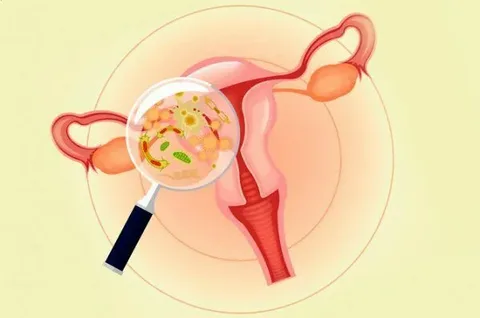
BV is not caused by a single “bad” bacterium the way strep throat is. It is a complex imbalance of the vaginal microbiome, a shift where protective Lactobacillus bacteria are outnumbered by anaerobic bacteria like Gardnerella vaginalis, Prevotella, and others. Antibiotics wipe out both the harmful and the helpful bacteria indiscriminately, leaving the vaginal environment vulnerable to recolonization.

The goal of lasting recovery is not just to kill bacteria. It is to rebuild and sustain a healthy vaginal ecosystem that naturally resists imbalance.

That is exactly what the nine methods in this article help you do.

These are not folk remedies from a wellness blog written by someone without a biology degree. These are approaches grounded in peer-reviewed research, microbiome science, and the lived experiences of women who have finally broken the BV cycle. Some of them work best in combination. All of them are worth understanding.

Let us get into it.


1. Repopulate Your Vaginal Microbiome With Targeted Probiotics to Get Rid of Bacterial Vaginosis Without Antibiotics

If BV is a story of microbial imbalance, then probiotics are the plot twist where the good guys come back.

The vaginal microbiome of a healthy, premenopausal woman is dominated by Lactobacillus species, most commonly Lactobacillus crispatus, Lactobacillus iners, Lactobacillus jensenii, and Lactobacillus gasseri. These bacteria produce lactic acid, which keeps vaginal pH low (typically between 3.8 and 4.5). That acidic environment is inhospitable to the anaerobic bacteria responsible for BV.

When Lactobacillus populations crash, pH rises, and opportunistic bacteria rush in. Probiotics aim to reverse that process by directly reintroducing beneficial strains.

What the research says

Multiple clinical trials have tested oral and vaginal probiotic supplementation for BV treatment and prevention. A 2019 meta-analysis published in the journal Infectious Diseases and Therapy found that women who received Lactobacillus-containing probiotics alongside or after antibiotic treatment had significantly lower recurrence rates compared to those who received antibiotics alone.

Another study out of Italy found that vaginal suppositories containing L. crispatus reduced BV recurrence by over 60% in women with a history of repeat infections.

How to use probiotics effectively for BV

The key is specificity. Not all probiotics are created equal, and most grocery store yogurt cultures will not deliver the strains or concentrations needed to shift your vaginal microbiome.

Look for supplements that contain:

  • Lactobacillus rhamnosus GR-1 and Lactobacillus reuteri RC-14 (the most clinically studied combination for vaginal health)
  • Colony-forming units (CFUs) of at least 5 billion per dose
  • Enteric-coated capsules or refrigerated products to preserve viability

Some women also use vaginal probiotic suppositories (brands like Jarrow Femdophilus or Lactin-V) for more direct delivery. For oral probiotics, consistency matters more than dosage. Taking them daily for at least eight to twelve weeks gives the microbiome time to genuinely shift.

Probiotic-rich foods like plain Greek yogurt (unsweetened), kefir, kimchi, and sauerkraut can supplement capsule use, though they should not replace a high-quality targeted supplement.


2. Use Boric Acid Suppositories to Restore Vaginal pH and Beat Bacterial Vaginosis Without Antibiotics

Boric acid sounds alarming. It is the same compound used in pest control, which makes it understandable that women are sometimes hesitant. But context matters enormously here.

Used vaginally in small, precisely measured doses, boric acid is a well-established and increasingly mainstream treatment for recurrent BV and yeast infections. It works by directly acidifying the vaginal environment, disrupting the biofilms that harmful bacteria use to anchor themselves, and creating conditions where Lactobacillus can thrive again.

What makes boric acid different from antibiotics

Antibiotics are systemic. Even a topical antibiotic cream affects the broader microbial balance. Boric acid is targeted and pH-specific. It does not kill bacteria the way antibiotics do. Instead, it changes the chemical environment so that anaerobic bacteria cannot survive, while simultaneously making the habitat more hospitable for the beneficial strains you want to reintroduce.

This is a meaningful distinction. Boric acid does not create the post-treatment vacuum that antibiotics leave behind.

How to use boric acid suppositories safely

  • Use 600 mg boric acid suppositories (available over the counter or compounded by a pharmacist)
  • Insert one suppository vaginally at bedtime for 7 to 14 consecutive nights
  • For recurrence prevention, some gynecologists recommend twice-weekly use for several months
  • Never take boric acid orally. It is toxic when ingested. Vaginal use in suppository form is safe for adults when used as directed.
  • Do not use during pregnancy.

A 2011 study in the Journal of Women’s Health found that boric acid was effective in resolving BV in 92% of women who had not responded to standard antibiotic therapy. For women with recurrent BV, it is increasingly recommended as a first-line option by integrative gynecologists.

Pair boric acid treatment with a probiotic regimen to get the best of both approaches: acid to reset the environment, probiotics to repopulate it with protective strains.


3. Adjust Your Diet to Support Vaginal Microbiome Health and Get Rid of BV Naturally

What you eat feeds every microbiome in your body, including the one in your vagina. This is not a metaphor. The gut microbiome and vaginal microbiome are connected through a pathway researchers call the gut-vagina axis.

When the gut is rich in Lactobacillus species, colonization of the vaginal tract with beneficial bacteria is more likely. When the gut is inflamed or dysbiotic (overrun with harmful strains), that imbalance can travel south, quite literally.

Foods that promote vaginal health

A diet that supports your vaginal microbiome looks remarkably like a diet that supports your overall health. No surprises there.

Prioritize:

  • Fermented foods (yogurt, kefir, kimchi, miso, tempeh)
  • Prebiotic-rich foods that feed Lactobacillus: garlic, onions, leeks, asparagus, bananas, oats
  • Leafy greens and vegetables high in folate
  • Probiotic-rich foods as described above
  • Water (adequate hydration supports mucous membrane health)

Reduce or eliminate:

  • Refined sugars and high-glycemic carbohydrates, which feed the overgrowth of anaerobic bacteria
  • Alcohol, which disrupts gut flora and vaginal pH
  • Processed foods high in preservatives and artificial additives
  • Sweetened drinks, including fruit juice

The sugar connection

This one deserves emphasis. Anaerobic bacteria like Gardnerella thrive in glucose-rich environments. A diet high in refined sugar does not just affect your weight or blood sugar. It can directly fuel the bacterial overgrowth that causes BV.

A 2020 observational study found that women with BV consumed significantly more refined carbohydrates than women without it. While correlation is not causation, the mechanism is biologically plausible and consistent with what microbiome researchers know about bacterial feeding behavior.

Cutting back on sugar is not a magic cure, but it removes a key source of fuel for the organisms you are trying to crowd out.


4. Practice Strict Vaginal Hygiene (Without Over-Cleaning) to Prevent Bacterial Vaginosis From Returning

Here is one of the great paradoxes of vaginal health: many women get BV partly because they are trying too hard to be clean.

The vagina is a self-cleaning organ. It maintains its own pH, produces its own protective discharge, and manages its own bacterial populations without any external intervention. When well-meaning hygiene practices disrupt that internal system, the results can be counterproductive.

What disrupts vaginal balance

  • Douching is the biggest offender. Multiple studies have confirmed that douching increases the risk of BV by washing away protective Lactobacillus bacteria and disrupting pH. If you douche regularly and experience recurring BV, stopping is one of the most impactful changes you can make.
  • Scented soaps, washes, and sprays used inside or around the vaginal opening can alter pH and kill beneficial bacteria.
  • Antibacterial soaps used externally in the vulvar area can strip natural protective microflora.
  • Tight synthetic underwear traps heat and moisture, creating a breeding ground for anaerobic bacteria.

What good vaginal hygiene actually looks like

  • Wash the external vulva only with warm water, or a very mild unscented soap
  • Never insert soap, water, or any product into the vaginal canal itself
  • Wear breathable cotton underwear and change it daily
  • Change out of wet swimsuits or workout clothes promptly
  • Wipe front to back after using the bathroom
  • Sleep without underwear occasionally to allow airflow

These seem like small things. But for women with recurring BV, eliminating a daily disruption like scented washes can break the cycle of recurrence on its own.


5. Use Hydrogen Peroxide to Get Rid of Bacterial Vaginosis Without Antibiotics

Hydrogen peroxide (H2O2) as a BV treatment is one of the most clinically interesting developments in non-antibiotic management of vaginal infections.

Here is the reason it makes biological sense: healthy Lactobacillus bacteria naturally produce hydrogen peroxide as part of their metabolic activity. This H2O2 is part of what gives them their antimicrobial punch. Women with BV often have diminished or absent H2O2-producing Lactobacillus strains.

Introducing low-concentration hydrogen peroxide vaginally effectively replicates what a healthy microbiome would already be doing.

What the research shows

A landmark Italian study by Dr. Sena Riccardo followed 58 women with recurrent BV who were treated with vaginal douches of 3% hydrogen peroxide solution rather than antibiotics. After six months, 89% had no recurrence. That is a remarkable outcome compared to antibiotic recurrence rates.

More recently, a 2021 clinical trial published in BJOG: An International Journal of Obstetrics and Gynaecology tested a gel formulation of hydrogen peroxide against metronidazole. The hydrogen peroxide gel showed comparable cure rates at one month, with fewer side effects.

How to use it

  • Use a 3% hydrogen peroxide solution (standard drugstore variety)
  • Some protocols involve a vaginal douche with diluted solution (one part H2O2 to one part water) once daily for one week
  • More recently, H2O2 gel products formulated specifically for vaginal use (such as Hydrogen Peroxide Gel by MedGyn or similar compounded products) are available for a more controlled application
  • Always consult a healthcare provider before starting, particularly if pregnant or immunocompromised

This method works best when paired with probiotics to help repopulate the beneficial strains that will naturally continue producing H2O2 after treatment ends.


6. Try Tea Tree Oil (With Caution) to Support Natural BV Treatment

Tea tree oil has legitimate antimicrobial properties. Several laboratory studies have confirmed that it demonstrates activity against Gardnerella vaginalis, the primary bacterium associated with BV, as well as against Candida species, meaning it may simultaneously help prevent the yeast infections that sometimes follow BV treatment.

The active compounds, terpinen-4-ol in particular, disrupt the cell membranes of harmful bacteria without being broadly antibiotic in the way pharmaceutical agents are.

Using tea tree oil safely

The vaginal mucosa is extremely sensitive. Undiluted essential oils can cause chemical burns. This is not a risk worth taking.

If you choose to explore tea tree oil:

  • Always dilute it. A common safe dilution for vaginal-adjacent use is 2 to 4 drops of tea tree essential oil per ounce of carrier oil (coconut oil, fractionated coconut oil, or almond oil work well).
  • Use it externally on the vulvar area only, not inserted into the vaginal canal.
  • Some women use diluted tea tree oil on a tampon or suppository base for internal use; this requires very careful dilution and ideally guidance from an integrative practitioner.
  • Perform a patch test on the inner forearm before any first use.
  • Do not use if pregnant.

The evidence for tea tree oil is promising but not yet as robust as for probiotics or boric acid. Consider it a supportive tool rather than a standalone treatment, especially for internal BV.


7. Address Sexual Health Factors That Contribute to Recurring Bacterial Vaginosis

This is a section many guides leave out, possibly because it requires some uncomfortable honesty. But ignoring the sexual health dimension of BV leaves a significant gap in any treatment plan.

BV is not technically classified as a sexually transmitted infection. However, sexual activity is one of the most consistent risk factors for both initial BV and recurrence.

Why sex matters in BV recurrence

Semen is alkaline, with a pH between 7.2 and 8.0. The vaginal environment is acidic (pH 3.8 to 4.5). Each exposure to semen temporarily raises vaginal pH, creating a window of vulnerability. For women with already marginal Lactobacillus populations, this repeated disruption can tip the balance toward BV.

Additionally, there is evidence suggesting that the penile microbiome of a male partner can harbor BV-associated bacteria. In heterosexual couples where the woman has recurrent BV, some research suggests that reinfection from the partner may be part of the cycle.

In women who have sex with women, BV transmission between partners has been documented, and concurrent treatment of both partners has shown better outcomes in small studies.

What you can do

  • Use condoms consistently, particularly with new or multiple partners. Condom use has been shown in several studies to reduce BV incidence significantly.
  • Consider discussing partner treatment with a healthcare provider if BV recurs repeatedly despite other interventions.
  • Urinate after sex and rinse the external vaginal area with water to help restore pH.
  • Some women find a boric acid suppository inserted after sex helps buffer the pH disruption from semen.

None of this is about shame or blame. It is about understanding all the variables in your personal BV puzzle.


8. Manage Stress and Sleep to Support Your Immune System’s Role in Fighting BV Without Antibiotics

Chronic stress is a microbiome killer. That is not hyperbole. It is supported by a growing body of research in psychoneuroimmunology, the field that studies how the mind, nervous system, and immune function are interconnected.

When the body is under chronic stress, cortisol levels remain elevated. Elevated cortisol suppresses immune function, disrupts gut bacteria, alters mucosal immunity, and yes, affects the vaginal microbiome. Stress also tends to correlate with poorer sleep, poorer dietary choices, increased alcohol consumption, and higher inflammation, all of which are independent risk factors for BV.

The stress-BV connection

A 2007 study in the American Journal of Obstetrics and Gynecology found that women who reported high levels of perceived stress were significantly more likely to have BV, even after controlling for other risk factors. A follow-up analysis suggested that stress-related immune suppression may reduce the vaginal immune system’s ability to maintain Lactobacillus dominance.

Sleep matters just as directly. During deep sleep, the body produces cytokines, immune proteins that help regulate inflammation and microbial balance. Chronic sleep deprivation suppresses this repair process.

Practical interventions

  • Aim for 7 to 9 hours of quality sleep per night
  • Practice stress-reduction techniques that work for you: breathwork, meditation, yoga, regular exercise, time in nature, therapy
  • Reduce caffeine and screen exposure in the two hours before bed
  • Consider adaptogens like ashwagandha or rhodiola (with practitioner guidance) if chronic stress is a significant factor

Treating BV without addressing stress is like trying to fill a bucket that has a hole in it. The interventions may work temporarily, but the underlying vulnerability remains.


9. Consider Functional Medicine and Targeted Supplements to Permanently Get Rid of Bacterial Vaginosis

Sometimes recurring BV is a signal from the body that something upstream needs attention. Nutritional deficiencies, hormonal imbalances, and gut dysbiosis can all compromise vaginal health from the inside out.

A functional medicine approach to BV looks beyond the vagina and asks why the microbiome keeps failing to stabilize.

Nutritional supplements with evidence for BV

Several supplements have shown promise in supporting vaginal microbiome health and reducing BV recurrence:

  • Folate (Folic Acid or Methylfolate): A deficiency in folate has been associated with increased BV risk in multiple epidemiological studies. Women with BV have been found to have significantly lower serum folate levels. Supplementing with 400 to 800 mcg daily may provide protective benefit.
  • Vitamin D: Low vitamin D is linked to disrupted vaginal immune function. A 2019 study in Nutrients found that vitamin D supplementation alongside standard BV treatment significantly reduced recurrence rates. Many women are deficient, particularly in northern latitudes and during winter months. Testing your levels is worthwhile.
  • Zinc: Zinc plays a role in immune function and has shown some antimicrobial activity against BV-associated bacteria in laboratory settings. Dietary sources include pumpkin seeds, chickpeas, and beef.
  • N-Acetyl Cysteine (NAC): NAC is a precursor to glutathione and has been studied for its ability to disrupt bacterial biofilms. Since Gardnerella vaginalis forms protective biofilms that make it resistant to both antibiotics and the immune system, NAC may help break down these biofilms and allow other treatments to work more effectively. A 2016 Italian study found that vaginal NAC gel significantly reduced BV recurrence.

Working with a functional or integrative practitioner

If BV has been recurring for more than a year despite multiple treatment attempts, it is worth seeking out a naturopathic doctor, integrative gynecologist, or functional medicine practitioner who can run comprehensive testing, including vaginal microbiome panels, nutrient levels, hormone panels, and gut microbiome analysis.

This level of investigation goes beyond what most conventional gynecologists have time for in a standard appointment. But for women with chronic, treatment-resistant BV, it can be genuinely life-changing.

A comprehensive overview of the vaginal microbiome and its connection to women’s health is available from the National Institutes of Health’s research portfolio, which provides in-depth insight into the science behind Lactobacillus dominance and what disrupts it.


Comparison Table: BV Treatment Methods at a Glance

Treatment Method Evidence Strength Best For Typical Duration Side Effects Use Alone or Combine?
Targeted Probiotics (L. rhamnosus GR-1 + L. reuteri RC-14) Strong (multiple RCTs) Prevention and long-term rebalancing 8–12 weeks minimum Minimal Best combined
Boric Acid Suppositories Strong (clinical trials) Recurrent BV, antibiotic-resistant cases 7–14 days acute, then maintenance Mild discharge Combine with probiotics
Dietary Changes (low sugar, fermented foods) Moderate (observational) Supporting microbiome long-term Ongoing lifestyle None Combine with all
Improved Vaginal Hygiene Strong (prevention data) Preventing recurrence, breaking douching habit Permanent change None Combine with all
Hydrogen Peroxide (vaginal) Moderate-Strong (RCTs) Acute BV resolution, antibiotic alternative 7 days Mild irritation possible Combine with probiotics
Tea Tree Oil (diluted, external) Limited (lab studies) Mild external support Short-term Irritation if undiluted Supportive use only
Sexual Health Practices (condoms, partner treatment) Strong (epidemiological) Recurrent BV linked to sexual activity Ongoing None Combine with all
Stress and Sleep Management Moderate (observational) Chronic recurrence, immune support Ongoing None Combine with all
Functional Medicine and Supplements (Vitamin D, Folate, NAC) Moderate (clinical studies) Treatment-resistant or root-cause BV 3–6 months testing and supplementation Varies by supplement Combine with targeted approach

How These Methods Work Together: Building Your Personal BV-Free Protocol

No single method in this list is likely to permanently resolve recurrent BV on its own. The women who achieve lasting results almost universally use a combination approach, addressing the problem from multiple angles simultaneously.

A practical starting framework might look like this:

Phase 1 (Weeks 1 to 2): Reset

Start boric acid suppositories every night for 7 to 14 days. Begin a targeted probiotic supplement daily. Eliminate douching, scented products, and reduce sugar intake starting immediately.

Phase 2 (Weeks 3 to 8): Rebuild

Continue daily probiotics. Incorporate dietary changes and fermented foods consistently. Begin a sleep hygiene routine if sleep quality has been poor. Consider adding vitamin D and folate supplementation after testing your baseline levels.

Phase 3 (Months 3 and beyond): Maintain

Continue probiotics long-term. Use boric acid suppositories after sexual activity or menstruation if those are identified triggers. Maintain dietary and hygiene practices. Revisit with a functional practitioner if recurrence continues.

The Office on Women’s Health provides additional guidance on understanding and managing bacterial vaginosis, including when to seek medical care, which is always recommended if symptoms are severe or accompanied by fever or pelvic pain.


When to See a Doctor Even While Pursuing Natural Treatments

Natural approaches to BV are not a reason to avoid medical care entirely. There are situations where prompt medical attention is essential.

See a healthcare provider if:

  • Symptoms are severe or rapidly worsening
  • You experience pelvic pain, fever, or chills alongside vaginal symptoms (these may indicate pelvic inflammatory disease, a serious condition)
  • You are pregnant (BV during pregnancy is associated with preterm birth and must be treated under medical supervision)
  • Symptoms persist or worsen after two weeks of natural treatment
  • You are immunocompromised due to HIV, chemotherapy, or other conditions
  • Symptoms change significantly in character (new bleeding, sores, or extreme pain)

Natural and conventional approaches can be used together. Many integrative gynecologists support a combined protocol, antibiotics when necessary for acute resolution, followed by natural methods for microbiome restoration and long-term prevention.


The Bigger Picture: Understanding Your Vaginal Microbiome Is Empowering

Here is the thing nobody tells you when you sit in the exam room getting your third BV prescription in two years. Your body is not broken. You are not uniquely unlucky. And you are not powerless.

BV is not a moral failing. It is not caused by being “dirty.” It is a complex ecological imbalance influenced by genetics, sexual activity, hormones, diet, stress, hygiene practices, and the particular bacterial strains you have been exposed to over your lifetime.

Understanding that makes it something you can actually work with, rather than something that simply happens to you.

The vaginal microbiome is one of the most active and dynamic ecosystems in the human body. It responds, sometimes dramatically, to the inputs you give it. Feed it well. Reduce the disruptions. Support its protective bacteria. Give it time.

Most women who commit to this multi-faceted approach see meaningful improvement within two to three months. Many achieve lasting resolution. That outcome is worth pursuing.


Conclusion

Recurring BV is exhausting, physically and emotionally. The cycle of antibiotics, temporary relief, and relapse leaves women feeling like something is fundamentally wrong with their bodies. Nothing is fundamentally wrong. The system just needs different support than a ten-day antibiotic course provides.

The nine methods covered here, probiotics, boric acid, dietary changes, improved hygiene, hydrogen peroxide, tea tree oil, sexual health practices, stress management, and targeted supplementation, all work toward the same underlying goal: restoring and sustaining a vaginal microbiome that can defend itself naturally.

Start with the approaches that feel most accessible. Build from there. Give each intervention adequate time to work. And remember that the women who succeed long-term usually do so by treating this as a lifestyle recalibration, not a quick fix.

Your vaginal health is not a side note to your overall health. It is part of it. You deserve to feel comfortable, confident, and free of BV, not just for two weeks, but for good.


Ready to Take Control of Your Vaginal Health?

If this article gave you a new perspective on BV treatment, share it with a friend who might be stuck in the same cycle. You never know who needs to read this today.

Have a question or a personal experience to share? Drop it in the comments below. Real conversations help more women than perfectly formatted articles ever will.


This article is for informational purposes only and does not constitute medical advice. Always consult a qualified healthcare provider before beginning any new treatment, particularly if you are pregnant, immunocompromised, or experiencing severe or unusual symptoms.

Vaginal Odor After Your Period: 6 Real Causes, The Dangerous Ones To Watch For, And Exactly How To Fix It Permanently

You just finished your period, and something smells… off. Before you panic, take a breath. You are not alone, and you are not broken.

Millions of people with vaginas notice a change in vaginal odor right after menstruation ends, and most of the time, it is completely explainable. But sometimes, it is a signal your body is waving at you, one you definitely should not ignore.

This guide is going to walk you through everything honestly. Not the sanitized, overly clinical version, but the real version, with real causes, real red flags, and real solutions that actually work. Whether you are dealing with a faint metallic smell, something fishier than usual, or an odor that is genuinely new and concerning, by the end of this article you will know exactly what is going on and what to do about it.

Let’s get into it.


What Is “Normal” Vaginal Odor After Your Period, Anyway?

Before we talk about what is wrong, we have to establish what is right. Because here is something the wellness industry rarely admits: the vagina is supposed to have a scent. It is a living ecosystem. Expecting it to smell like nothing, or worse, like a tropical flower, is not just unrealistic. It is actually a sign you have been sold a false standard.

A healthy vagina has a slightly acidic pH, maintained by billions of Lactobacillus bacteria. These bacteria produce lactic acid, which keeps harmful microorganisms from taking over. That natural environment has a mild, slightly tangy smell that some describe as sour or fermented. That is normal. That is healthy.

After your period, the environment shifts temporarily. Blood is alkaline. It raises vaginal pH during and immediately after menstruation, which can temporarily disrupt that delicate bacterial balance. The result is often a noticeably different smell in the days following your period. A little metallic, a little muskier, occasionally a bit more intense than your usual baseline.

That temporary shift? Almost always nothing to worry about.

But there are other causes of post-period odor that do need attention. Let’s go through each one.


Cause #1: Residual Blood and Tissue Causing Vaginal Odor After Period

This is the most common and least alarming cause. After your period ends, small amounts of blood and uterine tissue can remain in the vaginal canal. As these break down, they produce an odor that many describe as metallic, slightly copper-like, or musty.

Think of it like this: blood, when exposed to air and warmth, oxidizes. The same chemistry that makes a cut on your skin smell faintly metallic when it dries is happening internally. It is not infection. It is not rot. It is basic biology.

What helps:

  • Allow a day or two post-period for your body to naturally expel residual material
  • Stay well-hydrated to support natural discharge and flushing
  • Avoid douching, which can push material further in and disrupt pH balance
  • Gentle external cleaning with warm water is sufficient

This type of odor typically resolves within two to three days of your period ending. If it lingers longer than that, or if it changes character from metallic to something more pungent or fishy, you are likely dealing with one of the causes below.


Cause #2: Bacterial Vaginosis (BV) Is a Major Source of Vaginal Odor After Period

Here it is. The big one. Bacterial vaginosis is the most common vaginal infection in people aged 15 to 44, and the period is one of its favorite triggers. If your post-period odor has a distinctly fishy quality, especially one that intensifies after sex or after washing with soap, BV is the most likely culprit.

BV happens when the normal balance of vaginal bacteria tips in the wrong direction. Specifically, when Gardnerella vaginalis and other anaerobic bacteria overgrow and crowd out the beneficial Lactobacillus. The result is a fishy-smelling compound called trimethylamine, the same chemical responsible for the smell of rotting fish.

Why periods trigger BV:

  • Menstrual blood raises vaginal pH, making it less hostile to harmful bacteria
  • Sanitary products, especially if left in too long, create warm, moist environments
  • Hormonal fluctuations during and after menstruation affect the vaginal microbiome
  • Sex during or around your period can introduce new bacteria or disrupt existing balance

Signs BV may be behind your vaginal odor after period:

  • Thin, grayish-white or off-white discharge
  • Strong fishy smell, especially after sex
  • Mild burning or irritation (but not always)
  • Little to no itching (itching is more typical of yeast infections)

BV is treated with antibiotics, typically metronidazole or clindamycin, either in oral or topical form. The important thing is to actually get treated. Untreated BV can increase your risk of contracting sexually transmitted infections, including HIV, and has been linked to complications in pregnancy. It is not something to wait out with essential oils and wishful thinking.

According to the Centers for Disease Control and Prevention’s proven guide to BV, BV is the most common vaginal condition in women aged 15 to 44, and many people with BV do not experience any symptoms at all, making post-period smell changes one of the few early warning signs available.

One more thing: BV is not an STI. It is not caused by poor hygiene. You can get it even if you are not sexually active. Please do not let shame stop you from seeing a doctor.


Cause #3: A Forgotten Tampon Is Causing That Dangerous Vaginal Odor After Period

This sounds embarrassing to bring up, but it is more common than you think, and it is genuinely one of the more dangerous causes on this list.

A retained tampon, meaning one that was accidentally pushed back far enough that it became difficult to find or was simply forgotten, will start to decompose inside a warm, moist environment. The smell this produces is not subtle. It is intense, foul, and often described as rotting or like spoiled meat. If your vaginal odor after your period is that level of severe, this possibility needs to be ruled out immediately.

Retained tampons are a medical situation, not just an inconvenience. Left in place, they can cause toxic shock syndrome (TSS), a rare but potentially life-threatening bacterial infection. Symptoms of TSS include sudden high fever, rash resembling a sunburn, confusion, muscle aches, and vomiting.

If you suspect a retained tampon:

  • Wash your hands thoroughly and try to locate and remove it yourself
  • Squat down and bear down slightly while using clean fingers to reach inside
  • If you cannot remove it, go to a healthcare provider or urgent care immediately
  • Do not wait. Do not feel embarrassed. This is what healthcare providers are for.

Once removed, the odor will resolve quickly, though some mild inflammation may linger briefly. If there are signs of infection including fever, discharge with pus, or significant pain, antibiotics will likely be prescribed.


Cause #4: Hormonal Shifts Are Quietly Changing Vaginal Odor After Period

Your menstrual cycle is a hormonal rollercoaster, and those hormones directly influence the composition of your vaginal secretions. The days immediately following your period mark a shift from the low estrogen state of menstruation toward the rising estrogen phase of the follicular stage.

This transition changes the type and amount of vaginal discharge, which in turn affects odor. Some people notice their vaginal smell becomes more pungent or simply different in the immediate post-period window, without any infection or pathology present at all.

Hormonal factors that influence vaginal odor:

  • Estrogen affects the thickness and acidity of vaginal discharge
  • Progesterone shifts later in the cycle can cause sweatier, muskier secretions
  • Stress hormones like cortisol can alter sweat gland activity in the groin, contributing to external odor
  • Thyroid imbalances, though less commonly discussed, can affect overall body odor including in the vaginal area

This type of odor is generally mild, familiar in character (not dramatically new or alarming), and fades as the cycle progresses. If you have been noticing consistent post-period odor for multiple cycles without other symptoms, and your gynecologist has cleared you of infection, hormonal fluctuation is likely the explanation.

Tracking your cycle and noting when odor changes occur can be genuinely useful information to bring to a provider. Apps like Clue or Flo can help you identify patterns.


Cause #5: Diet and Hydration Are Affecting Your Vaginal Odor After Period

What you eat and drink has a surprisingly direct relationship with how your body smells everywhere, including vaginally. Certain foods contain volatile compounds that are excreted through sweat, urine, and vaginal secretions, altering odor in noticeable ways.

This effect can be amplified during and after your period, when your body is already in a state of physical stress and your vaginal environment is already temporarily disrupted.

Foods known to intensify vaginal odor:

  • Asparagus (produces sulfurous compounds in secretions)
  • Garlic and onion (allicin metabolites are excreted through multiple body systems)
  • Red meat in large quantities (can increase body odor overall)
  • Alcohol (dehydrates the body and alters the composition of secretions)
  • Highly processed foods and refined sugars (can promote yeast overgrowth)

Foods that support a balanced vaginal environment:

  • Probiotic-rich foods like yogurt, kefir, kimchi, and sauerkraut (support Lactobacillus populations)
  • Water, plenty of it (dilutes concentrated secretions and supports flushing)
  • Pineapple and citrus fruits (mildly acidifying effect, though evidence for direct odor effects is anecdotal)
  • Leafy greens (general alkaline-forming foods that support hormonal balance)

Dehydration deserves special mention here. When you are not drinking enough water, your urine becomes more concentrated, your sweat becomes more pungent, and your vaginal secretions follow suit. During and after your period, when your body has lost blood volume and may be compensating with increased fluid retention and release, staying hydrated is especially important.

If you notice your post-period odor correlates with particularly heavy drinking, late nights, or days of poor eating, that connection is real. Try a dietary reset and see what shifts.


Cause #6: Trichomoniasis and STIs Can Cause Vaginal Odor After Period

Here is the cause that people most often hope is not the answer. Trichomoniasis is a sexually transmitted infection caused by a microscopic parasite called Trichomonas vaginalis. It is one of the most common STIs in the world, affecting an estimated 3.7 million people in the United States alone, and the majority of those infected have no symptoms at all.

When symptoms do appear, vaginal odor is one of the most notable. The smell associated with trichomoniasis is often described as fishy or foul, similar to BV but sometimes more intense. The discharge is typically frothy or foamy, yellow-green in color, and may be accompanied by itching, burning, redness, and discomfort during urination or sex.

Periods can trigger symptomatic flares in people with trichomoniasis because the change in vaginal pH creates conditions more favorable to the parasite’s activity.

Why this matters beyond just the smell:

  • Untreated trichomoniasis significantly increases vulnerability to HIV
  • It can cause complications in pregnancy, including preterm birth and low birth weight
  • It can be passed to sexual partners who may be entirely asymptomatic
  • It is completely curable with a single dose of the antibiotic metronidazole or tinidazole

Other STIs, including chlamydia and gonorrhea, can also cause unusual discharge and odor, though odor is less central to their presentations. The important takeaway is that if your post-period odor is accompanied by unusual discharge, particularly if it is yellow, green, frothy, or chunky, an STI screen is appropriate and necessary.

The World Health Organization’s top resource on sexually transmitted infections confirms that many STIs are asymptomatic for extended periods, making regular testing critical for anyone who is sexually active, regardless of symptoms.

Testing is straightforward, fast, and confidential. Do not let stigma delay a conversation that takes five minutes and could genuinely protect your long-term health.


The Dangerous Signs: When Vaginal Odor After Period Needs Immediate Medical Attention

Most post-period vaginal odor is benign or easily treated. But there are specific combinations of symptoms that warrant prompt medical evaluation, not a wait-and-see approach.

Go to a healthcare provider soon if you notice:

  • Odor that is severe, rotting, or dramatically different from anything you have experienced before
  • Fever, chills, or flu-like symptoms alongside the odor (potential TSS or pelvic inflammatory disease)
  • Pelvic or abdominal pain that was not present during your period
  • Discharge that is green, dark yellow, or has a cottage-cheese texture with strong odor
  • Bleeding that restarts after your period appeared to end, especially with foul smell
  • Odor that has persisted for more than one full week after your period ended
  • Burning, significant swelling, or sores in the vaginal or vulvar area

Pelvic inflammatory disease (PID) in particular deserves mention. PID is an infection of the reproductive organs, often caused by untreated BV, chlamydia, or gonorrhea spreading upward from the vagina into the uterus, fallopian tubes, and ovaries. It can be serious, causing chronic pelvic pain and even infertility if left untreated. A foul-smelling discharge combined with pelvic pain and fever is a classic PID presentation.

None of these scenarios call for home remedies. They call for a doctor.


Cause vs. Severity vs. Treatment: A Complete Comparison

Cause Typical Smell Danger Level Needs Doctor? Treatment Resolves In
Residual blood/tissue Metallic, copper-like Very Low No Wait, hydrate, gentle external cleaning 2 to 3 days
Bacterial Vaginosis (BV) Fishy, especially post-sex Moderate Yes Metronidazole or clindamycin (antibiotic) 7 days with treatment
Retained tampon Severe, rotting HIGH Yes, urgently Removal, possible antibiotics Hours after removal
Hormonal fluctuation Mildly different, familiar Very Low No Lifestyle, cycle tracking Naturally with cycle
Diet and dehydration Muskier, more pungent Very Low No Dietary changes, increased hydration 1 to 3 days
Trichomoniasis / STIs Fishy to foul, frothy discharge Moderate to High Yes Metronidazole or tinidazole (single dose) 7 to 10 days with treatment

How To Fix Vaginal Odor After Your Period Permanently: The Complete Strategy

Let’s be honest: “permanent fix” is only possible if you address the underlying cause. A truly permanent solution to post-period vaginal odor involves a combination of treating any active infections, supporting your vaginal microbiome long-term, and building a few simple hygiene habits that actually work (and avoiding the ones that make things worse).

Step 1: Rule Out Infection First

If your odor is new, intense, or accompanied by any of the symptom combinations listed above, start with a doctor’s visit. A vaginal swab takes seconds. BV and STIs are diagnosed quickly and treated even faster. There is no home remedy that replaces antibiotics when antibiotics are what you need.

Step 2: Support Your Vaginal Microbiome Daily

Your vaginal Lactobacillus population is your first line of defense against odor-causing bacteria. Support it year-round:

  • Eat probiotic foods regularly: yogurt with live cultures, kefir, kimchi, miso, and fermented vegetables
  • Consider a vaginal probiotic supplement: look for formulations containing Lactobacillus rhamnosus and Lactobacillus reuteri, strains specifically studied for vaginal health
  • Avoid unnecessary antibiotics: every course of antibiotics disrupts the vaginal microbiome to some degree; only take them when genuinely needed
  • Manage blood sugar: elevated glucose feeds yeast and harmful bacteria; a diet lower in refined sugar supports a healthier vaginal environment

Step 3: Change Your Period Product Habits

How you manage your period directly affects post-period odor:

  • Change tampons every four to six hours at minimum; never sleep in one
  • Consider menstrual cups or discs, which some research suggests are gentler on vaginal pH than tampons
  • Use unscented pads, as fragranced products can disrupt vaginal flora
  • Change pads every four to six hours regardless of flow level
  • Wash hands before inserting or removing any internal product

Step 4: Ditch the Products That Are Making It Worse

This is where good intentions often cause harm. The hygiene products marketed specifically for “feminine freshness” are, in most cases, counterproductive.

Stop using:

  • Douches (they disrupt pH, remove beneficial bacteria, and have been linked to BV and yeast infections)
  • Scented vaginal wipes or deodorant sprays
  • Fragrant soaps inside the vaginal opening
  • “pH-balancing” washes with artificial fragrances (the fragrance is the problem)

The vagina is self-cleaning. The vulva (external skin) can be gently washed with warm water, and mild unscented soap on the outer skin is fine. That is genuinely all that is needed.

Step 5: Wear Breathable Underwear and Manage Moisture

Moisture and heat are the environment that harmful bacteria and yeast love most. Simple fabric and clothing choices make a real difference:

  • Choose 100% cotton underwear for daily wear
  • Avoid thongs during and immediately after your period (they can transfer bacteria from back to front)
  • Change out of wet or sweaty workout clothes promptly
  • Sleep without underwear when possible to allow airflow
  • Avoid very tight synthetic leggings for extended periods, especially during and after menstruation

Step 6: Stay Hydrated and Watch Your Diet

As discussed in Cause #5, what you put in your body shows up in how your body smells. Aim for at minimum 8 glasses of water daily, more during and immediately following your period when your body is working hard to restore balance.

Reduce alcohol consumption in the week of your period. Cut back on heavily processed foods during menstruation. Increase fresh vegetables, lean proteins, and probiotic foods. These are not dramatic dietary overhauls. They are targeted adjustments during a specific window of vulnerability.


A Quick Note on Vaginal Odor, Mental Health, and Body Image

This section exists because it needs to.

A significant number of people who seek treatment for vaginal odor do not actually have any clinical abnormality at all. They have been conditioned, by advertising, social media, and sometimes by insensitive partners or family members, to believe that their body’s natural smell is something shameful that requires correction.

This is worth naming directly: the wellness industry profits enormously from vaginal insecurity. The market for “feminine hygiene” products in the United States alone runs into hundreds of millions of dollars annually, and much of it is built on a manufactured problem.

If you have seen a gynecologist, been tested and cleared of infection, and are still preoccupied with your vaginal smell, it may be worth exploring whether anxiety about your body’s odor is the actual issue rather than the odor itself. A condition called olfactory reference syndrome, where a person becomes convinced they emit an offensive smell that others can detect (when they do not), is a recognized clinical presentation often addressed through therapy rather than physical treatment.

Your body is not a hygiene problem to be solved. It is a complex biological system doing its job. Understanding it, rather than fighting it, is the path to feeling genuinely at ease with your own physicality.


Frequently Asked Questions About Vaginal Odor After Period

How long does vaginal odor after a period normally last?

For most people, any change in vaginal odor related to menstruation resolves within two to four days of the period ending. If the odor persists beyond a week, or if it intensifies rather than fades, that is a signal to investigate further.

Can sex cause vaginal odor after my period?

Yes. Semen has an alkaline pH, which can temporarily raise vaginal pH and disrupt the bacterial balance, particularly in the days following your period when your vaginal environment is already in a state of adjustment. This is normal and usually temporary. However, unprotected sex also introduces new bacteria, which can trigger BV in susceptible individuals. Using condoms around and after your period can reduce this risk.

Is it normal to have a stronger odor after using a menstrual cup?

Menstrual cups collect rather than absorb blood, which means the blood has more time to oxidize before it is emptied. This can result in a stronger metallic or musty smell when emptying the cup. This is normal. Clean the cup thoroughly between uses with unscented soap and water, and rinse with cool water first (hot water can set stains and odor).

Can stress cause vaginal odor after a period?

Indirectly, yes. Psychological stress elevates cortisol, which affects sweat gland activity throughout the body, including in the groin area. Stress also suppresses the immune system, making you more vulnerable to bacterial overgrowth. Additionally, stress disrupts sleep and eating habits, which have downstream effects on the vaginal microbiome. Managing stress is genuinely relevant to vaginal health, not just overall wellness.

Why does my vaginal odor smell like onions or garlic after my period?

Sulfur-containing compounds from foods like garlic, onions, and cruciferous vegetables are excreted through multiple body systems, including vaginal secretions. If you notice this type of smell in the days following your period, consider what you have been eating. It is benign and dietary in origin. Reduce those foods and increase water intake; the smell typically resolves within a day or two.


The Bottom Line on Vaginal Odor After Your Period

Here is the honest summary. Most vaginal odor after a period is normal, temporary, and resolves on its own with basic care. Your body is doing exactly what it is designed to do, and a mild post-period scent shift is not a hygiene failure. It is biology.

But some causes of post-period vaginal odor, particularly bacterial vaginosis, retained tampons, and sexually transmitted infections like trichomoniasis, need actual treatment. Ignoring them does not make them go away. It gives them time to cause bigger problems.

The smartest approach is a clear-eyed one: know your baseline, pay attention to changes, take seriously anything that is severe, unusual, or accompanied by other symptoms, and do not let embarrassment delay a medical conversation that could be genuinely protective.

Your vaginal health is part of your overall health. It deserves the same matter-of-fact attention you would give a toothache or a sprained ankle, and none of the shame that cultural conditioning has tried to attach to it.


What To Do Right Now

If you read this and recognized your situation in the BV, trichomoniasis, or retained tampon sections, make a healthcare appointment today. Not tomorrow. Today.

If your odor is mild, new but not alarming, and you have no other symptoms, try the microbiome support steps, increase your water intake, and give your body a few days to recalibrate.

And if you found this article helpful, share it with someone who needed to read it but might never have searched for it. A friend, a sister, a partner. Vaginal health conversations are still taboo in ways that genuinely cost people their comfort and sometimes their health. Every honest conversation helps.

Drop a comment below if you have questions this article did not answer. Your question might be exactly what someone else needed to ask.


This article is written for informational purposes and is not a substitute for professional medical advice. If you are experiencing symptoms, please consult a qualified healthcare provider.