Category

Fertility, Pregnancy & Postpartum Recovery

Category

6 Critical C-Section Recovery Tips Doctors Say Can Speed Up Healing After Birth

Nobody hands you a manual when they wheel you out of the operating theatre. One minute you are lying flat on a table with a curtain at your chest and a brand-new baby being held up over it, and the next you are expected to figure out how to sneeze without crying.

If you just had a cesarean section, or if you are preparing for one, this post is for you. Not the vague “rest and take it easy” advice that every pamphlet seems to offer, but the specific, evidence-based c-section recovery tips that doctors actually use with their own patients and that pelvic health physiotherapists wish more new mothers knew.


The Part Most Women Are Not Told About C-Section Recovery

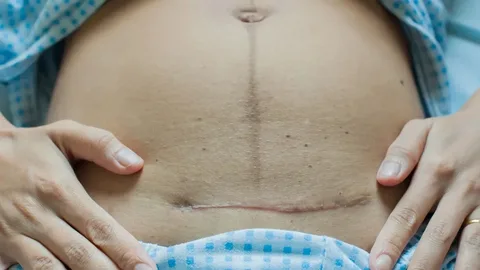
A cesarean section is, by any clinical measure, major abdominal surgery. Seven layers of tissue are opened during the procedure: skin, fat, the anterior abdominal fascia, the rectus abdominis muscles (which are separated, not cut), the peritoneum, the uterine muscle, and the amniotic sac. All of those layers have to heal in the right sequence for your recovery to go smoothly.

And yet, for many women, the discharge summary is thin. The six-week postpartum visit, if it happens at all, is brief. The gap between “what you need to know” and “what you were actually told” can be enormous.

The good news is that your body already knows how to heal. It has been doing exactly that since the moment your surgery ended. Your job is to support that process, not fight it. These c-section recovery tips are designed to help you do precisely that, whether you are three days postpartum, three weeks out, or even three years down the line wondering why your scar still pulls when you twist.

According to current obstetric guidance, it generally takes about six to eight weeks to fully recover from a c-section. But full healing at the deeper tissue level, including the scar layers and the pelvic floor, takes considerably longer. Understanding that timeline is the first act of kindness you can offer yourself.

Let us get into it.


C-Section Recovery Tip 1: Manage Your Pain Proactively, Not Reactively

Here is something that surprises a lot of new mothers: staying ahead of the pain is not a sign of weakness. It is a medical strategy.

Many women try to tough it out between doses of pain medication, either because they are worried about their milk supply, concerned about becoming dependent on medication, or simply conditioned to believe that suffering through discomfort is the more virtuous option. None of that is accurate, and all of it slows your c-section recovery.

Why Staying Ahead of Pain Matters for Healing

When you are in pain, your body tenses. Tensing around an abdominal incision creates guarding, which is a natural muscular response where your core and surrounding muscles contract to protect the wound. That protective tension, while well-intentioned, reduces blood flow to the healing tissue, limits your ability to breathe deeply, and makes gentle movement (which your recovery depends on) feel impossible.

Taking your pain relief on schedule, before the previous dose has fully worn off, keeps your pain at a manageable level so that your body can actually relax and heal. Talk to your doctor or midwife about what is appropriate for you, including whether you are breastfeeding.

c-section

Common doctor-approved post-c-section pain management options include:

  • Ibuprofen and acetaminophen (paracetamol) in rotation. These two medications work through different mechanisms and can be safely alternated, providing more consistent coverage than either one alone. Always confirm timing and dosing with your care provider.
  • Prescription pain relief. In the first few days especially, your doctor may prescribe something stronger. Use it as directed rather than saving it “for when it gets really bad.” It is already really bad. That is what it is for.
  • Heat therapy. A warm (not hot) heating pad placed low on your abdomen can ease muscular aching around the incision site. Keep it on a low setting and never apply directly over the wound.
  • Abdominal support. A soft postpartum belly band or high-waisted support underwear can reduce the sensation of your abdomen pulling with every movement. Many women describe this as a game-changer in those first ten days.

A useful practical tip that almost nobody mentions: when you need to cough, sneeze, or laugh, press a pillow or folded blanket firmly against your lower abdomen first. This is called “splinting” the incision, and it dramatically reduces the sharp pain that comes with those involuntary abdominal movements. You will use this technique more than you expect to.


C-Section Recovery Tip 2: Move Early, But Move Gently and Deliberately

The worst thing you can do after a c-section is stay completely still. The second worst thing you can do is move too aggressively, too soon. The sweet spot between those two extremes is where your fastest, safest recovery lives.

Doctors consistently recommend getting up and walking as soon as it is safely possible after surgery, often within 12 to 24 hours if your vital signs are stable. This is not cruelty. Early, gentle movement significantly reduces the risk of deep vein thrombosis (DVT), which is a blood clot that can form in the leg veins when circulation is sluggish. DVT is one of the more serious post-surgical complications, and movement is one of the most effective ways to prevent it.

How to Move Safely in the Early Weeks

Early movement does not mean laps around the maternity ward. It means sitting up slowly, swinging your legs to the floor, standing upright (resist the urge to hunch forward, even though standing straight feels counterintuitive when your incision is sore), and taking short, slow walks.

Here is a timeline that reflects what most doctors recommend for physical activity after a c-section:

Days 1 to 3: Sit up, stand, and take short supported walks to the bathroom and back. Focus on slow, deliberate breathing and gentle movement only.

Days 4 to 14: Gradually increase walking distance each day, based on how you feel. Short walks around the house, then around the block. Nothing that causes pain or pulling at the incision site.

Weeks 3 to 6: Continue gentle walking. Introduce very gentle mobility work, like slow ankle circles while seated, shoulder rolls, and supported side-lying stretches. No lifting beyond your baby’s weight.

Weeks 6 to 12 (with medical clearance): Begin carefully guided core rehabilitation, ideally with a pelvic floor physiotherapist. Low-impact movement like gentle yoga, swimming, and walking can be reintroduced based on your individual progress.

Beyond 12 weeks: Gradual return to higher-impact activity, informed by your body’s signals and your physiotherapist’s assessment.

The key word in all of this is gradual. As one OB-GYN at Hackensack Meridian Health notes, the body needs a full six to eight weeks to fully recover from a c-section, and patience with yourself during that time is not optional. It is part of the treatment.


C-Section Recovery Tip 3: Take Incision Care Seriously Every Single Day

Your c-section incision is doing something extraordinary every minute of every day after surgery. It is rebuilding seven layers of tissue simultaneously. That process is delicate, and the care you give the wound in the first weeks directly affects not just whether it heals, but how well it heals long-term.

This is one of the c-section recovery tips that tends to get glossed over in the rush of new motherhood, because it requires you to actually look at your scar. Many women find this uncomfortable. That is completely understandable, and you can work around it gently. But caring for the incision area, even from a distance at first, is genuinely important.

Daily Incision Care: The Basics

The foundational principles of c-section incision care are simple:

  • Keep it clean. Wash the area gently with warm water and mild, fragrance-free soap during your daily shower. Let water run over it rather than scrubbing. Pat, do not rub, dry with a clean towel afterward.
  • Keep it dry between washes. Moisture trapped against the incision, especially if your abdomen folds over the scar area, creates a perfect environment for bacterial growth and infection. If this is an issue for you, placing a clean cotton cloth or gauze pad between your skin folds can help.
  • Watch for infection signs. These are not subtle when they appear. Call your doctor promptly if you notice redness spreading from the wound edges, swelling that is increasing rather than decreasing, warmth or hardness around the incision, any discharge that is yellow or green or has an odor, fever above 100.4 degrees Fahrenheit, or pain that is worsening rather than improving over time.
  • Avoid submerging the wound. Baths, swimming pools, and hot tubs should wait until your doctor explicitly clears you. Shower water running over the wound is fine; immersion is not.
  • Skip creams and ointments until cleared. Well-meaning friends will tell you to start rubbing coconut oil on the scar immediately. Hold off until the incision is fully closed and your doctor gives the go-ahead. Applying anything to an incompletely healed wound can introduce bacteria or interfere with normal tissue closure.

Your incision will likely look and feel different at various stages of healing. Some tightness and itchiness as the skin heals is normal and is actually a sign of active tissue repair. Some numbness around the scar is also common, as the nerves that were disrupted during surgery slowly regenerate. Both of these sensations typically improve with time and scar massage (more on that in the next tip).


C-Section Recovery Tip 4: Start Scar Massage as Soon as You Are Cleared

This is arguably the most underutilized of all c-section recovery tips, and pelvic health physiotherapists have been talking about it for years. C-section scar massage, done correctly and at the right time, can prevent complications that would otherwise quietly affect your body for months or even decades.

Here is why. When the body heals a surgical wound, it forms scar tissue. Scar tissue is perfectly functional at the surface level, but it is laid down in a somewhat random, cross-hatched pattern rather than the organized, parallel pattern of normal tissue. When left unaddressed, this scar tissue can adhere to the deeper layers beneath it, including the fascia, muscle, and in some cases the bladder or bowel. These adhesions can cause pelvic pain, lower back pain, urinary urgency or frequency, painful intercourse, constipation, and the characteristic “cesarean shelf” where tissue puffs out above the scar line.

According to pelvic physiotherapy specialists, beyond the sensitivity or pain that can develop along your scar, there are several more unsuspecting symptoms that can be caused by your cesarean scar, including pain with sex (typically pain with deeper penetration), lower back or pelvic pain, urinary urgency or increased frequency of urination, and impaired digestion or constipation.

When and How to Begin Scar Massage

The timing matters here and should always be guided by your care provider. A general framework used by many pelvic physiotherapists looks like this:

You have about 25% tensile strength built back up along your incision at 2 to 3 weeks postpartum, about 50% tensile strength at 6 weeks, and about 75% tensile strength at 12 weeks. That means gentle, indirect work can begin earlier than many people realize, while direct pressure over the scar itself should wait until the wound is fully closed and your doctor has cleared you.

Weeks 2 to 4 (indirect massage): Using clean, dry fingers, apply very light pressure in the skin above and below the scar, not directly on it. Use small circular motions or gentle push-and-release pressure. The goal is to stimulate circulation and prevent adhesions from anchoring before they have a chance to set.

Weeks 6 to 8 (direct gentle massage, with clearance): Begin moving the scar itself. Place two or three fingers directly on the healed incision and move it gently up, down, and side to side. You are not trying to force anything. You are asking the tissue to move in all directions and noticing where it feels restricted or stuck.

Weeks 8 to 12 and beyond: Increase firmness progressively, addressing the superficial, middle, and deep tissue layers over time. A pelvic physiotherapist can guide this progression and use additional techniques like myofascial release or cupping to address deeper adhesions.

Use a small amount of lubricant like vitamin E oil, coconut oil, or an unscented massage cream to reduce friction. Spend about 3 to 5 minutes on scar massage once or twice daily when in the active stages of healing.

One thing worth knowing: it is genuinely never too late to start. Pelvic physiotherapists regularly work with women who are years or even decades post-cesarean and see meaningful improvement in pain, mobility, and function once scar tissue work begins.


C-Section Recovery Tip 5: Rebuild Your Pelvic Floor, Because a C-Section Affects It Too

This surprises almost every woman who hears it for the first time. You had a cesarean. The baby did not come through the vaginal canal. Surely your pelvic floor got off scot-free?

It did not. Not even close.

During pregnancy, your pelvic floor carries the weight of a growing uterus for nine months. The hormonal changes of pregnancy, particularly the increase in relaxin, soften the connective tissue throughout your pelvis. Your bladder, bowel, and uterus are all supported by the pelvic floor, and all of that is true regardless of how you give birth.

On top of that, the scar tissue from a c-section can adhere downward into the pelvis, affecting the function of the muscles and organs below it. The result is that pelvic floor dysfunction after c-section is genuinely common and genuinely treatable, but only if you know to look for it.

Symptoms of Pelvic Floor Dysfunction After C-Section

Watch for any of the following in your postpartum recovery:

  • Leaking urine when you cough, sneeze, laugh, or jump (stress incontinence)
  • A sensation of urgency where you need to get to the bathroom immediately (urge incontinence)
  • A feeling of heaviness or pressure in the pelvic area, as though something is falling down
  • Pain or discomfort during intercourse when you return to sexual activity
  • Difficulty fully emptying your bladder or bowel
  • Lower back or hip pain that does not improve with rest

These symptoms are common. They are not inevitable, and they are not something you simply have to accept as a permanent fixture of post-baby life. Pelvic floor physiotherapy is specifically designed to address all of them.

Where to Start: Gentle Core and Pelvic Floor Reconnection

In the first six weeks, the most important thing is not strengthening, but reconnecting. Your brain and your deep abdominal muscles may have lost some of their communication during surgery and recovery, and reestablishing that link gently is the foundation of everything that follows.

Diaphragmatic breathing is the single best starting point. Lie on your back with your knees bent. Place one hand on your lower ribcage and one on your lower abdomen. Breathe in slowly, feeling your ribcage expand sideways and your lower belly rise slightly. Breathe out, feeling everything gently descend. This activates your transverse abdominis, the deepest layer of your core, without putting any pressure on your healing incision.

Gentle pelvic floor contractions (Kegel exercises) can be started earlier than many women expect, often within the first few days after surgery, unless your doctor advises otherwise. A Kegel involves gently lifting and squeezing the pelvic floor muscles as though you are stopping the flow of urine. Hold for 3 to 5 seconds, then fully release. That release is just as important as the contraction.

For a comprehensive and authoritative guide to postpartum pelvic floor rehabilitation after cesarean birth, the Mayo Clinic offers evidence-based guidance on recovery milestones and when to seek specialist care.

The word “rehabilitation” here is important. This is not about doing a hundred kegels a day and hoping for the best. It is about restoring function across the whole system: breathing, posture, core activation, and pelvic floor coordination, in a progressive and sensible order. A pelvic floor physiotherapist can assess your individual situation and build a program specifically for you.


C-Section Recovery Tip 6: Feed Your Healing Body With Intention

Your body is rebuilding tissue at a cellular level. That process is fueled by what you eat and drink. Nutrition after c-section is one of those c-section recovery tips that sounds obvious but is routinely deprioritized by new mothers who are focused on feeding their baby and have no time or energy left to think about feeding themselves.

But here is the reality. The nutrients that support wound healing, collagen synthesis, immune function, and tissue repair are the same ones most likely to be depleted by pregnancy, labor, surgery, and breastfeeding. Replenishing them is not a luxury. It is a clinical priority.

The Nutrients That Drive C-Section Healing

Protein is the most critical macronutrient for tissue repair. Collagen, the main structural protein in your wound, requires adequate dietary protein to be synthesized. Aim for protein-rich foods at every meal: eggs, chicken, fish, legumes, Greek yogurt, and nuts are all good options. If eating full meals is challenging in the early days (and it often is), protein smoothies or shakes can fill the gap.

Vitamin C is essential for collagen formation and immune function. It is also one of the key antioxidants that supports the inflammatory phase of wound healing. Citrus fruits, bell peppers, kiwi, strawberries, and broccoli are all excellent sources.

Zinc plays a direct role in wound repair and immune response. Meat, shellfish, pumpkin seeds, and legumes are good sources.

Iron is particularly important for women who experienced any significant blood loss during surgery. Low iron translates to fatigue, reduced immune function, and slower overall healing. If your doctor has not checked your iron levels postpartum, it is worth asking.

Fiber and fluids deserve special mention because constipation after c-section is genuinely one of the most uncomfortable parts of the recovery experience. The combination of pain medications (which slow gut motility), reduced movement, and altered abdominal muscle function can make bowel movements difficult and even painful in the first weeks. Straining also puts pressure directly on your healing incision.

Drink at least 8 to 10 glasses of water daily, more if you are breastfeeding. Eat plenty of vegetables, fruits, whole grains, and legumes. Ask your doctor about a stool softener in the first one to two weeks if constipation becomes a problem.

The Case for Continuing Your Prenatal Supplement

Most postpartum women stop taking their prenatal vitamin at some point in the first weeks after delivery, particularly if they are not breastfeeding. But the micronutrient demands of healing tissue and postpartum recovery are real. Continuing a good-quality prenatal or postnatal multivitamin for at least the first three months post-surgery is something many doctors recommend, as it helps fill nutritional gaps while your diet and energy levels are still unpredictable.

Omega-3 fatty acids, found in fatty fish, walnuts, and flaxseed, or in supplement form, also support the anti-inflammatory phase of healing and have been associated with improved mood and reduced postpartum depression risk.

For additional evidence-based guidance on postpartum nutrition and recovery, the NHS’s comprehensive cesarean section recovery resource covers nutrition, activity, and warning signs in one reliable, updated reference.


Bonus Tip: Prioritize Your Mental and Emotional Recovery With the Same Seriousness as the Physical

No article on c-section recovery tips would be complete without addressing this. And yet, the emotional dimension of cesarean recovery is where many women feel most abandoned by the healthcare system.

For some women, a c-section is the birth they planned and hoped for. For others, it was an emergency. For many, it falls somewhere in between: an unplanned cesarean after a long labor, a decision made in a few fraught minutes, a birth that felt more like something that happened to them than something they did. All of those experiences are valid, and all of them can carry complex emotional weight.

The “baby blues” are common in the first two weeks postpartum and are caused by the rapid hormonal shift that follows delivery. They typically resolve on their own. Postpartum depression and postpartum anxiety are different: they are more persistent, more disruptive, and affect roughly 15% of all new mothers regardless of delivery method.

If you feel persistently low, disconnected, hopeless, unable to bond with your baby, or if you experience intrusive thoughts or significant anxiety, please speak to your doctor. These are not character flaws. They are recognized medical conditions with effective treatments.

Some women also experience a specific kind of grief around a c-section birth, particularly if it differed significantly from what they had hoped or planned for. That grief is real and deserves space. Seeking out a therapist, a counselor, a birth debrief service (where available), or even a peer support group for c-section mothers can make a meaningful difference in your overall recovery.

Physical and emotional healing are not separate tracks. They are deeply intertwined. Taking care of your mental health is one of the most practical c-section recovery tips on this entire list.


C-Section Recovery Timeline: At a Glance

The table below summarizes the key stages of c-section healing and what to focus on at each phase. Use it as a guide rather than a strict prescription, since every body heals differently and your doctor’s specific advice always takes priority.

Recovery Phase Timeline Focus Areas What to Avoid
Immediate postpartum Days 1 to 3 Pain management, short walks, diaphragmatic breathing, incision monitoring Lifting, straining, driving, removing dressings without guidance
Early recovery Days 4 to 14 Gradual walking increase, incision care, hydration, gentle Kegels, rest Lifting anything heavier than baby, housework, stairs beyond necessary
Active healing Weeks 2 to 6 Indirect scar massage (from Week 2), nutrition optimization, gentle mobility, posture work High-impact exercise, heavy lifting, swimming, sexual activity (unless cleared)
Rehabilitation phase Weeks 6 to 12 Direct scar massage (with clearance), pelvic floor physiotherapy, core reconnection exercises Running, heavy lifting, intense abdominal exercises without professional guidance
Strengthening phase Weeks 12 and beyond Progressive return to exercise, deeper scar mobilization, addressing any residual pelvic floor symptoms Pushing through pain; ignoring persistent symptoms like leakage or pelvic heaviness
Long-term maintenance 6 months and beyond Monitoring scar mobility and sensitivity, maintaining pelvic floor strength, addressing any lingering symptoms with a specialist Assuming symptoms are permanent and untreatable, especially pain or incontinence

When to Call Your Doctor: Non-Negotiable Warning Signs

These c-section recovery tips are designed to support a normal healing trajectory. But some symptoms fall outside that trajectory and require prompt medical attention.

Contact your doctor immediately or go to the emergency department if you experience any of the following:

  • Bright red vaginal bleeding that soaks through more than one pad per hour
  • Passage of blood clots larger than a golf ball
  • Fever above 100.4 degrees Fahrenheit (38 degrees Celsius)
  • Increasing, rather than decreasing, pain at the incision site
  • Redness, swelling, hardness, or discharge at the wound
  • Chest pain, difficulty breathing, or a feeling of tightness in the chest
  • Pain, swelling, or redness in one leg, which can signal a blood clot
  • Severe headache, visual changes, or right upper abdominal pain (possible signs of postpartum preeclampsia)
  • Thoughts of harming yourself or your baby

Trust your instincts here. You know your body. If something feels wrong, it is worth a call.


The Reality of C-Section Recovery That Nobody Romanticizes

Here is something worth saying plainly: c-section recovery is hard. It is hard in ways that do not always make the highlight reel. You are recovering from major surgery while simultaneously running on almost no sleep, learning to feed a tiny human, managing every emotion on the spectrum, and being expected to look radiantly happy about all of it.

The six c-section recovery tips in this post are not magic. They will not make the first two weeks feel like a spa break. But they will help your body heal more efficiently, reduce the risk of complications, and give you a foundation of physical health that supports everything else in your new life.

The most important thing, honestly, is to ask for help. Not eventually, not when you really need it. Now. Let someone else do the laundry. Let someone else make the meals. Accept the casserole. Use the pain medication. Sleep when you can.

Your baby does not need a hero. Your baby needs a healthy mother. And a healthy mother, after c-section surgery, is one who rests, receives support, and trusts her body’s remarkable capacity to heal.

You already did the hard part. Now let the healing begin.


Conclusion

C-section recovery is a marathon, not a sprint, and most women run it while chronically undersupported. The six c-section recovery tips covered here, proactive pain management, early and gentle movement, meticulous incision care, scar massage from the right time and in the right way, intentional pelvic floor rehabilitation, and nutrition that actually supports tissue healing, are not extras. They are the scaffolding your recovery is built on.

None of them require expensive equipment. Most of them just require information, which is exactly what you now have. Share this with every woman you know who has had or is planning a c-section. This is the guidance that should come standard. Since it often does not, let us pass it along ourselves.


CTA

Did this article help you? Share it with a new mom who deserves to know this. She might be three days postpartum, scrolling in the dark, looking for exactly what you just read.

Read Next:

  • How to Safely Return to Exercise After C-Section: A Physiotherapist’s Guide
  • Diastasis Recti After Cesarean: What It Is, How to Check, and How to Fix It
  • Pelvic Floor Therapy: What Happens in a Session and Why Every Postpartum Woman Should Go

Have a question about your own recovery? Drop it in the comments below. Every question is welcome here, no matter how small.


This article is for informational purposes only and does not substitute for personalized medical advice. Always consult your obstetrician, midwife, or pelvic floor physiotherapist regarding your individual recovery.
5 Powerful IVF Treatment Questions Every Woman Must Ask Before Choosing a Fertility Specialist

You finally made the appointment. Your hands are probably a little shaky, your browser history is a maze of fertility forums, and you have seventeen tabs open about IVF success rates. That feels exactly right, because this decision is one of the most important ones you will ever make for your body and your future family.

But here is what nobody tells you before that first consultation: the questions you ask matter just as much as the specialist you choose. Walk in without the right IVF treatment questions, and you could leave with a glossy brochure, a scheduled blood draw, and almost no real understanding of what you just signed up for. Walk in prepared, and you become an informed partner in your own care rather than a passive passenger on a very expensive, very emotional journey.

This guide gives you five powerful IVF treatment questions to ask before you commit to any fertility specialist. Each question comes with context, follow-up prompts, and the science behind why it matters. Think of it as your pre-game locker room talk, minus the sweaty towel snap.


Why Asking the Right IVF Treatment Questions Changes Everything

Most women walk into a first IVF consultation feeling like they are already behind. The doctor has a medical degree, years of experience, and a confident handshake. You have a printed-out article you found at 2 a.m. That imbalance can make it tempting to just nod along and trust the process.

But reproductive medicine is not one-size-fits-all. Protocols differ between clinics. Lab quality varies enormously. Success rates for the same age group can swing from below 10% to over 60% depending on which clinic you choose, according to data published by the Society for Assisted Reproductive Technology. That is not a minor statistical blip. That is the difference between your dream and a very expensive heartbreak.

Asking informed IVF treatment questions before you commit does something else too. It tells you immediately what kind of communicator your potential doctor is. A specialist who gives you clear, direct, unhurried answers to your questions? That is the kind of partner you want managing one of the most vulnerable experiences of your life. A doctor who rushes, deflects, or uses jargon without explanation? That is equally informative, just in the other direction.

The five questions below are designed to give you both types of insight: clinical clarity and a read on the human being across the table from you.

IVF Treatment


IVF Treatment Question 1: What Are Your Live Birth Rates for My Specific Age Group?

This is the single most important IVF treatment question you can ask, and it is also the one most women either forget to ask or feel too intimidated to push on. Do not let that happen to you.

Success rates in reproductive medicine are deceptively tricky to interpret. A clinic might advertise a “60% success rate,” but if that figure refers to positive pregnancy tests rather than live births, it is essentially measuring hope, not outcomes. A positive pregnancy test that ends in miscarriage six weeks later is not the same as bringing a healthy baby home.

What the Numbers Actually Mean

The industry standard metric is live birth rate per embryo transfer. This is the number that tells you how many women who transferred an embryo at that clinic actually delivered a living baby. It is published annually by both the Society for Assisted Reproductive Technology (SART) and the Centers for Disease Control and Prevention (CDC), and it is broken down by age group.

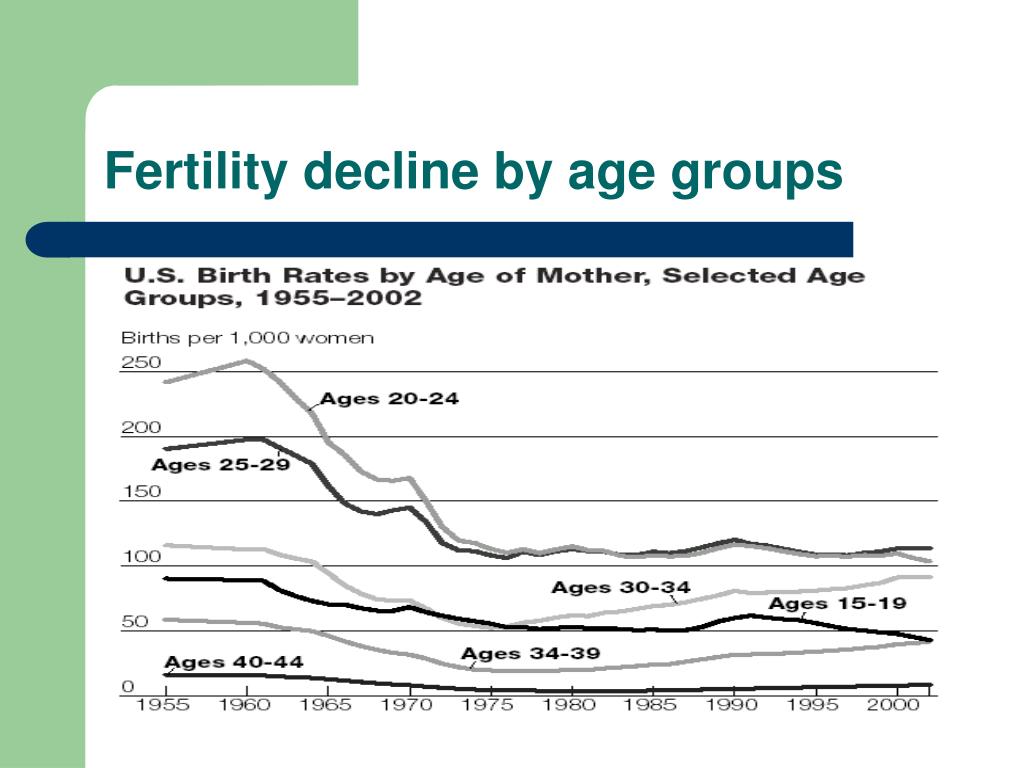
Here is why age matters so much in this context. IVF success rates drop significantly with age. Under 35, many clinics report about 40 to 50 percent live births per transfer. Between ages 35 and 37, success rates typically fall to around 30 to 35 percent. For women aged 38 to 40, the chance of a live birth is in the 20 to 25 percent range. After age 40, rates often drop into single digits when using your own eggs.

Those are national averages. Your chosen clinic might perform better, or worse. That is exactly why you need to ask.

The Follow-Up Questions That Sharpen the Answer

When a specialist gives you a success rate number, press a little further. Ask:

  • “Is that figure based on live births or positive pregnancy tests?”
  • “Is that per egg retrieval, per cycle started, or per embryo transfer?”
  • “Does that figure reflect patients who share my specific diagnosis and age?”
  • “Where can I independently verify this data on the SART or CDC database?”

That last question is important. A clinic with genuine results will point you directly to the public database without hesitation. When researching a fertility clinic, it is worth asking for their recent IVF success rate statistics in writing and then independently checking their numbers on the CDC or SART reports. If a clinic refuses or makes excuses, that is a strong signal to look elsewhere.

Why “Per Cycle Started” Can Be Misleading

Some clinics report success rates “per cycle started,” which sounds comprehensive but actually includes cancelled cycles in the denominator. If a clinic frequently cancels cycles early because of poor ovarian response, their per-cycle-started rate looks lower than it should. Conversely, some clinics cherry-pick easier cases to keep their statistics high.

The honest answer to this IVF treatment question sounds something like: “For women your age and diagnosis, our live birth rate per embryo transfer is X%, based on data reported to SART for the most recent reporting period.” Anything vaguer than that deserves a follow-up.


IVF Treatment Question 2: What Diagnostic Tests Will You Run Before My First Cycle?

Before a single needle, medication, or monitoring appointment happens, a competent fertility specialist should want to understand your body thoroughly. The diagnostic phase is not a formality. It is the foundation on which your entire treatment plan is built, and skipping or skimping on it is one of the most common ways that IVF cycles fail before they even begin.

This IVF treatment question also quietly reveals how thorough and individualized your potential clinic’s approach actually is. A practice that rushes to stimulation without proper baseline testing is essentially guessing. You do not want to pay tens of thousands of dollars for a guess.

The Core Tests to Expect

A responsible pre-cycle workup typically includes:

  • Anti-Mullerian Hormone (AMH) test. This blood test measures your ovarian reserve, giving the doctor an estimate of how many eggs remain available for retrieval. A low AMH does not mean pregnancy is impossible, but it does shape how aggressive a stimulation protocol needs to be.
  • Antral Follicle Count (AFC) via ultrasound. This transvaginal ultrasound counts the small resting follicles visible in your ovaries, which correlates with the number of eggs likely to be retrieved in a given cycle.
  • Day 3 hormonal panel. Blood tests on Day 3 of your menstrual cycle measure FSH (follicle-stimulating hormone), LH (luteinizing hormone), and estradiol. Elevated FSH, for instance, can indicate declining ovarian reserve.
  • Hysterosalpingography (HSG) or saline infusion sonography. These tests assess whether your fallopian tubes are open and whether your uterine cavity has any structural issues, like fibroids or polyps, that could interfere with implantation.
  • Infectious disease screening and genetic carrier testing. Depending on your history and family background, these tests identify conditions that could affect your pregnancy or your embryo’s chromosomal health.
  • Semen analysis for your partner. Male factor infertility accounts for roughly half of all infertility cases, and a comprehensive semen analysis is non-negotiable before any treatment decision is made.

The egg retrieval stimulation cycle typically ranges from 10 to 14 days, but each case varies depending on how the patient’s body responds to medications. Your fertility team should examine both you and your partner for any other fertility issues to ensure that IVF is the right choice and to design a protocol that gives you the best possible chance.

Why This Question Protects Your Investment

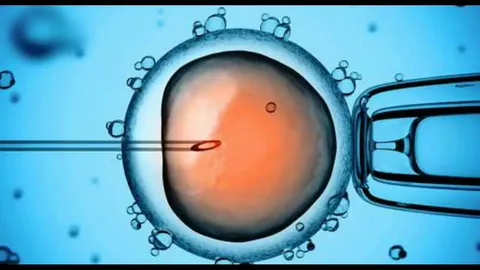
Diagnostic testing is also where your doctor can catch problems that would cause an IVF cycle to fail for entirely preventable reasons. Undetected uterine polyps, for example, can significantly reduce implantation rates. A low-quality semen sample might point toward the need for ICSI (intracytoplasmic sperm injection), a technique where a single sperm is injected directly into an egg, rather than standard IVF. None of that comes out without thorough testing.

Ask your potential specialist: “Will all of these tests be performed in-house, or are any sent to external labs?” In-house testing is generally faster and better quality-controlled. If certain tests are outsourced, ask which facilities handle them and what the turnaround time looks like.


IVF Treatment Question 3: What Is Your Lab’s Embryology Quality, and Who Runs It?

Here is the IVF treatment question that almost nobody thinks to ask, and it might be the most revealing of all five.

When people think about choosing a fertility specialist, they focus on the doctor. The charisma, the credentials, the bedside manner. All of that matters. But in IVF, the embryology laboratory is equally, if not more, responsible for your outcome. The lab is where your eggs are fertilized, where embryos are cultured and graded, and where frozen embryos are stored. If the lab is subpar, even the most brilliant reproductive endocrinologist cannot compensate for it.

Think of it this way. The doctor is the architect. The embryology lab is the construction crew. A beautiful blueprint does not help if the people building your house do not know what they are doing.

What Strong Embryology Looks Like

When you ask about lab quality, here are the specific things worth exploring:

  • Blastocyst development rate. A high-quality lab should be able to grow a healthy percentage of fertilized eggs to the blastocyst stage, which is Day 5 or Day 6 of embryo development. Blastocysts have higher implantation rates than Day 3 embryos.
  • Fertilization rate. What percentage of retrieved eggs are successfully fertilized? Industry benchmarks hover around 70 to 80% with ICSI.
  • Freeze-thaw survival rate. When embryos are frozen and later thawed for a frozen embryo transfer (FET), what percentage survive the process? A well-run lab should have survival rates above 90%.
  • Time-lapse incubation technology. Some clinics now use time-lapse imaging systems that photograph developing embryos every few minutes without disturbing them. This allows embryologists to select the most viable embryos with greater precision.
  • Laboratory accreditation. Ask whether the lab is accredited by the College of American Pathologists (CAP) or a similar body. Accreditation requires regular external audits and quality controls.

The embryology team plays a huge part in the success of your treatment. Patients should be able to ask about the team’s qualifications, the technology available in the lab, and whether the clinic uses time-lapse imaging to monitor embryo development. These are not pushy questions. They are responsible ones.

The Embryologist Behind the Curtain

Ask specifically: “Who is your lead embryologist, and what is their training?” A board-certified or high-caliber clinical embryologist with years of experience in the lab on any given day is not a small detail. Some larger clinics rotate lab staff, which can introduce variability. Knowing who handles your embryos and how consistently that team is managed gives you an honest picture of the quality control in place.

You can also ask for the clinic’s laboratory benchmark data. This includes fertilization rates, blastocyst conversion rates, and embryo survival after vitrification (flash-freezing). A clinic confident in its lab will share this data willingly.


IVF Treatment Question 4: What Are the True Costs, and What Happens If My First Cycle Fails?

Money conversations make most of us uncomfortable. In a fertility consultation, with hope and vulnerability already filling the room, it can feel almost crass to pivot to line-item costs. But this is absolutely a non-negotiable IVF treatment question, and avoiding it can leave you financially blindsided at the worst possible moment.

IVF is expensive. There is no gentle way around that. In the United States, a single IVF cycle typically costs between $12,000 and $25,000 when you include medications, monitoring, and ancillary procedures. In countries like the UK, Nigeria, and parts of Asia, costs vary enormously by clinic and by whether public healthcare coverage applies. And here is the part that the glossy brochure often glosses over: most people do not succeed on the first try.

According to the most recent national summary data from the Society for Assisted Reproductive Technology, only 26% of IVF patients are successful on the first try. IVF success on the first attempt decreases further for patients who are 35 and older. That statistic is not there to demoralize you. It is there to help you plan realistically.

Breaking Down the Real Cost of IVF

When asking about costs, press for a comprehensive breakdown that includes:

  • Base cycle fee. This covers egg retrieval, fertilization, and one fresh embryo transfer.
  • Medications. Injectable fertility drugs for ovarian stimulation are typically purchased separately and can run anywhere from $3,000 to $7,000 per cycle. Ask whether the clinic has a preferred pharmacy or medication assistance program.
  • Pre-cycle diagnostic testing. Blood work, ultrasounds, and the semen analysis are often billed separately from the treatment itself.
  • Embryo freezing and storage. If you produce more embryos than you transfer in the first cycle, those extras need to be vitrified and stored. Ask about both the initial freezing fee and the annual storage cost.
  • Preimplantation Genetic Testing (PGT). If your doctor recommends PGT-A (testing for chromosomal abnormalities) or PGT-M (testing for specific genetic mutations), this adds $3,000 to $6,000 or more to your bill, depending on the number of embryos tested.
  • Frozen embryo transfer (FET) cycles. If your fresh transfer does not result in a pregnancy, a subsequent FET from your banked embryos has its own fee, typically $3,000 to $5,000.
  • ICSI. If your partner’s sperm requires direct injection for fertilization, this procedure adds a separate cost.

IVF pricing can vary widely. Generally speaking, IVF can cost around $7,500 to $10,000 for the base procedure alone, with additional costs for medications and ancillary services that can bring the total considerably higher. That range reflects base prices at some clinics before add-ons, so always ask for a fully itemized estimate.

The Refund and Multi-Cycle Package Question

Some clinics offer shared-risk or money-back guarantee programs where you pay a flat fee upfront for multiple cycles and receive a refund if no live birth occurs. These programs can be worth exploring, but ask very carefully what the eligibility criteria are. Clinics offering guarantees often screen out patients with poor prognoses first, which means the “guarantee” is partly a reflection of careful patient selection rather than clinical superiority.

Ask: “If my first cycle fails, what does a subsequent frozen embryo transfer cost? What does a second full stimulation cycle cost? Do you offer multi-cycle packages, and what are the exact terms?”

Also ask whether any of your testing or treatment has a chance of being covered by insurance. In some countries and some U.S. states, certain diagnostics and even treatment cycles are covered. Your clinic’s financial counselor should help you navigate this, and if they do not offer this service, that itself is worth noting.


IVF Treatment Question 5: How Will You Personalize My Protocol, and What Happens If Things Go Unexpectedly?

This is the IVF treatment question that separates genuinely patient-centered clinics from high-volume fertility factories. It is also the question most likely to tell you whether your potential specialist sees you as an individual or as a number on a spreadsheet.

IVF is not a single treatment. It is a family of approaches, each with its own stimulation medications, dosing strategies, triggering protocols, and transfer timing. The right protocol depends on your age, your ovarian reserve, your diagnosis, your hormone levels, and sometimes your response to previous cycles. A clinic that uses the exact same protocol for every patient regardless of their unique profile is not practicing individualized medicine. It is practicing convenience.

What Personalized IVF Looks Like

A good specialist will be able to answer this question with specifics. They might explain:

  • Which stimulation protocol they recommend for your profile. Common protocols include long agonist (suppression before stimulation), antagonist (suppression during stimulation), and mini-IVF (lower doses for women with diminished ovarian reserve or those seeking a gentler approach). Each has different indications.
  • How they monitor and adjust during a cycle. A well-run clinic monitors you closely during stimulation with frequent blood tests and ultrasounds, adjusting your medication doses in real time based on your body’s response. Rigid, one-dose-fits-all stimulation is a red flag.
  • Their approach to poor responders and high responders. Some women produce too few follicles despite medication. Others produce too many, risking ovarian hyperstimulation syndrome (OHSS), a potentially serious complication. Ask how the clinic handles both scenarios.
  • Whether they ever recommend a “freeze-all” strategy. In some cases, especially with OHSS risk or a thin uterine lining, it is safer to freeze all embryos from a retrieval and delay the transfer to the following cycle. Ask how and when they make that call.

At some leading clinics, rather than syncing all patients to a shared schedule, the approach is to time each cycle to your natural rhythm and readiness. This individualized approach maximizes success and minimizes stress, so that you are never rushed or delayed due to clinic scheduling but moved forward when your body is ready.

Asking About the Unexpected

Fertility journeys rarely unfold exactly as planned. That is not pessimism. It is biology. Knowing in advance how your potential specialist handles the unexpected gives you a crucial sense of the partnership you are entering.

Ask directly: “If my cycle is cancelled due to poor response, what is the process? If my embryos do not develop to the blastocyst stage, what comes next? If my transfer fails, how do you reassess the plan before the next attempt?”

A strong answer includes a concrete protocol for re-evaluation. This might involve a hysteroscopy to check the uterine cavity, adjustments to the stimulation protocol, consideration of preimplantation genetic testing, or consultation with an immunologist if implantation failure is recurrent. A weak answer is something vague like “we just try again.”

Also ask about communication. Who is your primary point of contact? Can you call or message with questions between appointments? What is the on-call process if you experience worrying symptoms over a weekend during stimulation? The emotional texture of your IVF experience is shaped as much by communication quality as by clinical skill.


Comparison Table: The 5 IVF Treatment Questions at a Glance

Question What It Reveals Red Flag Answer Green Flag Answer
What are your live birth rates for my age group? Clinical outcomes and transparency Vague percentages; avoids SART/CDC verification Specific age-matched data; points to public database
What diagnostic tests will you run before my first cycle? Thoroughness and individualized planning “We just do the basics” or skips partner testing Full panel including AMH, AFC, hormonal profile, semen analysis
What is your lab’s embryology quality? Lab infrastructure and embryo handling Deflects or can’t provide blastocyst/freeze rates Shares benchmark data; describes accreditation and team credentials
What are the true total costs? Financial transparency and integrity Gives only a base fee; no itemized breakdown Full itemized estimate including meds, storage, FET, PGT
How will you personalize my protocol? Patient-centered care vs. assembly-line treatment “We use the same protocol for everyone” Protocol tailored to your AMH, AFC, age, and diagnosis

Bonus Considerations: Questions Worth Asking Once You Have the Big Five Covered

If time allows in your consultation, a few additional IVF treatment questions can round out your assessment:

Do you have a genetic counselor on staff? If you have a family history of genetic conditions, or if PGT is recommended, a genetic counselor is an invaluable resource. Some clinics offer this in-house; others refer out.

What is your policy on the number of embryos transferred? The American Society for Reproductive Medicine (ASRM) guidelines generally recommend single embryo transfer (SET) in most patients under 38 to minimize twin pregnancy risks. A clinic that routinely transfers multiple embryos without strong clinical justification may be chasing success rate optics at the cost of your safety.

What emotional and psychological support do you offer? IVF is genuinely hard. The hormone injections, the waiting, the grief when cycles fail, the complex feelings about embryos that do not develop. Clinics that integrate psychological support, whether through counselors, support groups, or wellness programs, tend to retain patients through difficult stretches and report better patient satisfaction. Ask what resources are available and whether they are included in the cost.

Are you a member of SART or the equivalent body in your country? SART membership means the clinic reports its outcomes to a national database and adheres to quality standards. Not every reputable clinic globally is a SART member, particularly outside the United States, but membership is a meaningful quality signal in the U.S. context.


Understanding IVF Success Rates by Age: A Deeper Look

No discussion of IVF treatment questions would be complete without a honest look at what the age-success relationship actually means, because it comes up in almost every conversation you will have with a fertility specialist.

The major predictor of IVF success is age at the time of egg retrieval. Since women are born with all the eggs they will have in their lifetime, as one ages, the number and quality of those eggs decline. The later a patient is in their reproductive years, the lower the success rate with IVF, including an increased chance of miscarriage, particularly above the age of 40.

This biological reality is not a judgment. It is a framework for making clear-eyed decisions. If you are 34, time is not yet your enemy, but it is also not standing still. If you are 38 or older, understanding that you may need more cycles, a higher number of retrieved eggs, or genetic testing to identify viable embryos gives you a planning foundation, not a verdict.

The most important step you can take is to consult with a reproductive endocrinologist who can perform a full workup, including AMH testing and an ultrasound, to provide a personalized estimate of your success. A good success rate is one that aligns with national averages. If you are 36, an IVF success rate of around 35 to 40 percent per transfer is standard. Always compare your clinic’s internal data against the SART success rates to ensure they are performing at or above the national average.

Donor eggs are worth understanding as part of this conversation too. Donor eggs present a different picture, with success rates holding steady at around 45 to 55 percent per transfer across all recipient ages, because recipient age is not the main driver when donor eggs are used. If you are considering this path, or if your specialist raises it as an option, this is not a defeat. For many women, it is the most direct route to the family they have always imagined.

For authoritative, evidence-based guidance on IVF and assisted reproduction, the Society for Assisted Reproductive Technology (SART) publishes comprehensive patient resources including a predictor tool built on data from over two million IVF cycles nationally.


What to Do After the Consultation

You asked your IVF treatment questions. You took notes (you did take notes, right?). Now what?

First, give yourself 24 to 48 hours before making any decision. The consultation room has a gravity to it. The doctor was warm, the office was beautiful, and you want this so badly that saying yes right now feels like the most natural thing in the world. That urgency is understandable, but a two-day pause costs you nothing and protects you from making a fear-driven decision.

Second, consult more than one clinic if at all possible. This is not disloyalty to a doctor you liked. It is due diligence on a major medical and financial investment. Different clinics will offer different protocols, different pricing structures, and different reads on your individual case. Hearing multiple perspectives makes you a more informed decision-maker.

Third, check the public data. Visit the CDC’s Assisted Reproductive Technology data portal or the SART national summary and look up the clinics you consulted. Compare their reported live birth rates to the national average for your age group. If a clinic’s numbers significantly underperform the national benchmark without a clear explanation (like a specialty in high-risk cases), that is meaningful information.

Fourth, trust your instincts about the relationship. Medicine is a science, but fertility care also involves an enormous amount of human trust. If you left a consultation feeling rushed, dismissed, or like your questions were inconveniences, that feeling matters. You will be vulnerable during this process, and you deserve a team that treats that vulnerability with care.


A Note on Choosing a Fertility Specialist Abroad

For women in regions where IVF costs are prohibitive or wait times are long, medical tourism for fertility treatment is increasingly common. Clinics in Spain, Czech Republic, Cyprus, India, and parts of Southeast Asia offer IVF at a fraction of Western prices, often with strong clinical outcomes.

If you are exploring this route, the same five IVF treatment questions apply with extra emphasis on the lab quality and communication questions. Ask specifically:

  • How will ongoing monitoring be coordinated with a doctor in my home country?
  • Who do I contact if I have a complication after returning home?
  • Does your clinic report outcome data to any international registry?
  • Can you provide patient references or case studies from women in my home country?

Distance adds complexity. It does not make excellent IVF treatment impossible, but it does raise the stakes on doing your homework thoroughly before you board a flight.


Conclusion: Your Questions Are Your Power

The IVF journey is many things at once. It is science and hope and money and time and grief and resilience, often all in the same week. In the middle of all that complexity, asking the right IVF treatment questions is one of the few things entirely within your control.

You are not being difficult when you ask about live birth rates. You are being smart. You are not being suspicious when you ask about lab quality. You are protecting your investment and your body. You are not being naive when you ask about personalized protocols. You are expecting the standard of care you deserve.

The right fertility specialist will not be put off by these questions. They will welcome them. They will answer them clearly, back them up with data, and use them as an opening to understand who you are and what you need. That response, more than any credential or clinic ranking, tells you that you have found someone worth trusting.

So go ahead. Print this out. Write down your follow-up questions. Walk into that consultation room like the informed, powerful woman you already are.

Because the most important question is the one you actually ask out loud.


CTA

Did this help you feel more prepared? Share this post with a friend who is beginning her IVF journey. She deserves to walk into that consultation room armed with exactly the right questions.

Have a question we did not cover? Drop it in the comments below. We read every single one.


This article is for informational purposes only and does not constitute medical advice. Always consult a qualified reproductive endocrinologist or fertility specialist for guidance specific to your individual situation.

7 Proven Fertility-Boosting Foods That Helped Thousands of African Women Get Pregnant Fast — Even After 40

You have been trying. Month after month, you have hoped, prayed, and waited. This article was written for exactly you.

Whether you are 28 and just starting your conception journey or 43 and wondering if your body still has the capacity to carry a child, the answer to your deepest question might be sitting quietly in your kitchen, your local market, or at the bottom of a pot of egusi soup. Science has been quietly building a compelling case for the idea that what you eat is one of the most powerful levers you can pull to improve your chances of conception. And for African women, many of whom have already been given the keys to a naturally nutrient-rich diet, this is particularly good news.

What the Numbers Tell Us About Fertility in Africa

Before we get into the foods, let us talk about the landscape. Infertility is not a rare, whispered problem in Africa. It is shockingly common, and yet it remains one of the most stigmatized health issues on the continent.

Research shows that infertility rates across sub-Saharan Africa vary widely, ranging from around 9% in Gambia to between 20 and 30% of couples in parts of Nigeria. Even more striking, the World Health Organization estimates that about 30% of women aged 25 to 49 in sub-Saharan Africa suffer from secondary infertility, which is the inability to conceive again after a first pregnancy.

These numbers represent real women. Aunties who cannot explain why conception has not happened. Wives who face whispers at family gatherings. Women who have tried everything their doctors, their mothers, and their village elders suggested, and still come up empty.

The good news is that research consistently points to one factor that sits firmly within your control: your diet. Studies in East Africa have found that nutritional intake plays an important role in secondary female infertility, with poor dietary quality significantly linked to reduced fertility outcomes among women.

Put simply, food is medicine. And some foods are fertility medicine.

This is not a promise that eating more moringa will guarantee twins in nine months. No responsible health writer would make that claim. But the science is clear: the right foods support hormone balance, improve egg quality, regulate ovulation, and create the optimal internal environment for conception, even for women over 40.

Let us walk through the seven most powerful, research-backed fertility-boosting foods, with special attention to how they can be incorporated into the everyday eating patterns of African women.


1. Moringa: Africa’s Own Fertility-Boosting Superfood

If you grew up in West, East, or Central Africa and had a grandmother worth her salt, you probably already know moringa. Called “miracle tree” in much of the continent, moringa oleifera has been used for centuries in traditional medicine. Modern research is now confirming what grandmothers have known for generations.

Moringa leaves are exceptionally rich in folate (vitamin B9), iron, zinc, and vitamins A, C, and E. These are exactly the nutrients that researchers identify as critical for female reproductive health. Folate is one of the most important nutrients when trying to conceive, as it reduces the risk of neural tube defects and supports early fetal development.

But moringa goes further than just folate. Its high antioxidant content helps protect egg cells from oxidative stress, which is particularly important for women over 40, when egg quality naturally begins to decline. Research suggests that dietary antioxidants and anti-inflammatory foods may help support egg quality and the ovarian environment, which is especially relevant for women trying to conceive after 40.

Fertility

How African women are using moringa for fertility:

  • Dried moringa leaf powder stirred into porridge or smoothies each morning
  • Fresh moringa leaves added to soups and stews, particularly bitterleaf or okra soup
  • Moringa tea brewed and consumed daily, especially in the two weeks after menstruation

The beauty of moringa is that it is not exotic or expensive. It grows freely across much of Africa, can often be found dried in local markets, and integrates seamlessly into existing meal patterns. If you are looking for a single dietary addition that combines fertility support with general nutritional coverage, moringa is likely the most cost-effective starting point available to you.


2. Beans and Lentils: The Humble Fertility-Boosting Powerhouse in Every African Pot

The next time someone dismisses beans as “poor people food,” politely redirect them to the growing body of reproductive science literature. Beans and lentils, including the black-eyed peas, cowpeas, and kidney beans that feature prominently in West African cooking, are among the most fertility-friendly foods available anywhere in the world.

Beans and lentils are excellent sources of spermidine, a compound positively associated with fertility, as well as folate. Researchers have associated higher folate levels with higher implantation rates of fertilized eggs in assisted reproduction studies. In practical terms, that means a diet rich in beans may increase the likelihood that a fertilized egg successfully embeds in the uterine lining, one of the most delicate and often overlooked steps in achieving a viable pregnancy.

There is another layer to the beans story that is particularly relevant for women with polycystic ovary syndrome (PCOS), which is one of the most common causes of ovulatory infertility in African women. Women who get their protein primarily from plant sources like beans have a reduced risk of infertility caused by ovulation problems, according to research on dietary protein and fertility outcomes.

Fertility

Why this matters for African women specifically:

In Nigeria, Ghana, Kenya, Senegal, and across the continent, beans already appear in countless traditional dishes: moi moi, akara, githeri, thiebou yapp, red red, and more. This means African women do not need to make a dramatic dietary overhaul to access these benefits. They simply need to maintain and perhaps slightly increase the frequency with which beans already appear on their plates.

Practical tips:

  • Eat beans at least three to four times per week
  • Pair bean dishes with vitamin C-rich foods (like tomatoes or peppers) to improve iron absorption
  • Avoid frying bean-based foods excessively, as this can reduce nutrient content and add inflammatory oils

3. Oily Fish and Sardines: Omega-3s That Improve Fertility Naturally

Here is a food that works overtime for your reproductive system. Oily fish, including sardines, mackerel, herring, and fresh catfish, are loaded with omega-3 fatty acids, the same fats that your eggs, hormones, and uterine lining all desperately want more of.

Research indicates that omega-3 fatty acids play an essential role in steroidogenesis (hormone production) and have significant anti-inflammatory properties that may positively affect fertility, with studies suggesting benefits for oocyte growth, maturation, and the reduction of anovulation risk.

To translate that out of scientific language: omega-3s help your body produce the right reproductive hormones, reduce inflammation that can interfere with implantation, and support the healthy development of eggs in your ovaries. For a woman over 40, where both hormonal balance and egg quality can become concerns, this is a meaningful nutritional lever.

Omega-3 fatty acids found in foods like fatty fish, oysters, and flaxseeds play a role in cell membrane integrity, inflammation regulation, and ovarian health, all of which are directly relevant to egg quality and development.

Picture background

What makes this particularly relevant for African women:

Fresh and smoked fish are already dietary staples across the continent. Smoked herrings and mackerel are stirred into egusi and vegetable soups throughout West Africa. Dagaa and omena (small dried fish) are eaten across East Africa. Grilled tilapia and catfish appear at roadside markets from Accra to Dar es Salaam. These are not foreign foods. They are already in your kitchen.

A few smart tips:

  • Aim for at least two to three servings of oily fish per week
  • Choose wild-caught options when possible
  • Limit large predatory fish (like large tuna or swordfish) due to mercury concerns, especially when trying to conceive
  • If fresh fish is not always accessible, small dried fish used in cooking still provide meaningful omega-3 content

4. Sweet Potatoes: The Beta-Carotene Fertility Food You Are Already Eating

If you have ever roasted sweet potatoes over an open flame or boiled them with a little salt for a simple afternoon snack, you were, without knowing it, doing something quite beneficial for your reproductive hormones.

Sweet potatoes are exceptionally rich in beta-carotene, a precursor to vitamin A that your body converts as needed. This is important because vitamin A is important for normal oocyte (egg) maturation, ovarian response, and early embryonic development, making adequate vitamin A levels a critical factor for women trying to conceive.

Beyond vitamin A, sweet potatoes are also rich in vitamin C, potassium, and fiber. The fiber content is particularly important because it helps regulate blood sugar, and blood sugar stability is deeply connected to hormone balance, including the hormones that govern ovulation.

Studies have found that beta-carotene from foods like sweet potatoes can help boost progesterone, an essential hormone for maintaining pregnancy after conception. Low progesterone is one of the more common, and underdiagnosed, reasons why women conceive but experience early miscarriages. So eating sweet potatoes is not only supporting your ability to get pregnant, it may also be supporting your ability to stay pregnant.

How to eat more sweet potatoes:

  • Boiled and eaten as a side dish or snack
  • Roasted with olive oil and spices
  • Added to stews and soups as a natural thickener
  • Used in porridge or as a weaning food base (yes, it is that versatile)

Sweet potatoes are affordable, available year-round across most of Africa, and require no special preparation skills. If you are currently eating them only occasionally, consider making them a near-daily fixture in your meals during your conception journey.


5. Eggs: Complete Protein for Hormonal Balance and Ovulation

Eggs have had an unfair reputation in dietary circles over the years, largely due to misguided fears about dietary cholesterol. The good news is that the science has largely cleared eggs of that particular charge. And when it comes to fertility specifically, eggs (the ones you eat) may be among the most complete fertility-supporting foods available.

One whole egg delivers protein, vitamin D, vitamin B12, choline, zinc, and selenium in a single, affordable package. Iron deficiency can affect ovulation, energy levels, and fetal development, making it critical for women trying to conceive to build adequate nutrient stores before pregnancy. Eggs are a meaningful source of heme-adjacent nutrients that support this process.

The vitamin D connection is particularly worth noting. Vitamin D plays a key role in reproductive hormone regulation and may be beneficial for fertility, yet many women are deficient without realizing it. In a sunlit continent like Africa, vitamin D deficiency might seem unlikely. But factors like skin tone, covered clothing, time spent indoors, and dietary patterns mean that deficiency is actually more common than expected, particularly in urban women.

Research shows that people following a diet rich in protein and low in refined carbohydrates often have a higher pregnancy rate, making protein-rich foods like eggs a smart addition to a conception diet.

Picture background

Practical integration:

  • Two to three eggs daily is a reasonable target for women trying to conceive
  • Boiled, fried in a small amount of olive oil, poached, or scrambled all work equally well
  • Eggs from free-range chickens tend to have higher nutrient density, especially higher omega-3 content
  • Pair eggs with vegetables for a complete fertility-supportive meal

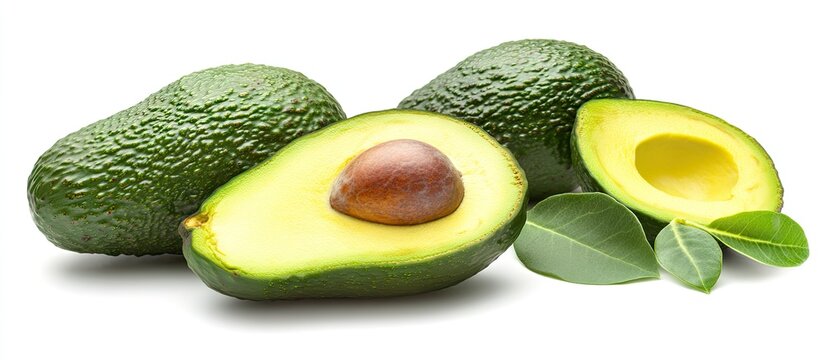
6. Avocado: The Monounsaturated Fat Your Hormones Are Craving

Avocado has become something of a global food celebrity, but for African women trying to conceive, it is more than just a trendy social media food. It is a genuinely powerful addition to a fertility diet, and it happens to grow abundantly across much of the continent.

Avocados are full of vitamin K, potassium, and folate, nutrients that assist the body with vitamin absorption, blood pressure regulation, and early pregnancy support. They are also rich in monounsaturated fats (healthy fats) that provide dietary fiber and folic acid, which are crucial during the early stages of pregnancy and conception.

The healthy fat component deserves special attention. Reproductive hormones, including estrogen and progesterone, are synthesized from cholesterol and fatty acids. A diet that is too low in healthy fats can therefore directly impair hormone production. This is a particularly common issue for women who have been on restrictive or very low-fat diets in an effort to manage weight.

Healthy fats are crucial for reproductive hormone synthesis, with avocados, nuts, seeds, and olive oil being excellent choices for women focused on fertility nutrition.

Beyond hormones, avocados also reduce systemic inflammation. Chronic low-grade inflammation is increasingly being recognized as a silent disruptor of fertility, interfering with everything from ovulation to implantation to early embryo development.

Picture background

How to use avocado for fertility:

  • Mashed and eaten with eggs for breakfast
  • Sliced into salads or served alongside grilled fish
  • Blended into smoothies with moringa powder and banana
  • Spread on whole grain bread as a snack

Avocados are not out of reach in most African cities and towns. In countries like Kenya, Cameroon, Ethiopia, and Uganda, they are often abundant and affordable, sometimes growing in family gardens.


7. Leafy Green Vegetables: Folate, Iron, and Antioxidants for Optimal Fertility

This final category is perhaps the broadest and most accessible of all, because African cooking is already rich in leafy green vegetables. Ugu (pumpkin leaves), bitter leaf, waterleaf, oha leaves, sukuma wiki, morogo, nduma, nchanzi, kontomire, and dozens more varieties are part of everyday cooking across the continent.

The nutritional case for leafy greens in a

diet is multi-dimensional. Folic acid-rich foods, including dark leafy greens, provide a key fertility boost. Research has found that these nutrients, when consumed regularly, have a positive effect on fertility and also support fetal growth and development after conception is achieved.

Dark leafy greens are also among the richest plant-based sources of iron. Antioxidants, which are abundant in vegetables, may help deactivate free radicals in the body that can damage egg cells and disrupt reproductive function. The combination of folate, iron, and antioxidants creates a nutritional profile that supports almost every stage of the conception process.

For women over 40, the antioxidant dimension is especially critical. As eggs age, they become more vulnerable to oxidative damage. A diet rich in antioxidant-dense leafy greens effectively acts as a protective shield for your remaining egg cells, slowing the pace of age-related decline and improving the quality of the eggs you do ovulate.

Vegetables rich in antioxidants and folate support egg quality and overall reproductive health, with a variety of colors providing the widest range of protective nutrients.

Picture background

Getting the most from leafy greens:

  • Cook greens lightly rather than for extended periods, to preserve folate content
  • Pair iron-rich greens with a squeeze of lemon juice or tomato to improve absorption
  • Aim for at least two to three servings of leafy greens daily
  • Use palm oil in moderation when cooking greens, as it provides additional carotenoids

The Fertility Food Comparison Table: What to Eat, Why, and How Often

Here is a comprehensive overview of all seven fertility-boosting foods discussed in this article, showing their key nutrients, their specific fertility benefits, and how frequently you should aim to incorporate them into your diet.

Food Key Fertility Nutrients Primary Fertility Benefit Recommended Frequency Availability in Africa
Moringa Folate, Iron, Zinc, Vitamins A, C, E Egg protection, hormonal support, early embryo development Daily (1–2 tsp powder or fresh leaves) Very High (grows widely across Africa)
Beans & Lentils Folate, Plant protein, Spermidine, Iron Supports ovulation, improves implantation rates, reduces PCOS risk 3–4 times per week Very High (cornerstone of African cuisine)
Oily Fish / Sardines Omega-3 fatty acids, Vitamin D, Selenium Hormone production, reduces inflammation, supports egg quality 2–3 times per week High (widely available fresh, smoked, dried)
Sweet Potatoes Beta-carotene (Vitamin A), Vitamin C, Fiber, Potassium Progesterone support, egg maturation, blood sugar regulation 4–5 times per week Very High (year-round availability)
Eggs Protein, Vitamin D, Vitamin B12, Choline, Zinc Ovulation support, hormone synthesis, reduces nutrient deficiencies Daily (2–3 eggs) Very High (affordable and accessible)
Avocado Monounsaturated fats, Folate, Vitamin K, Potassium Hormone synthesis, anti-inflammatory, improves nutrient absorption 3–5 times per week High (abundant in East and Central Africa)
Leafy Greens Folate, Iron, Antioxidants, Calcium Egg quality protection, ovulation support, reduces oxidative stress Daily (2–3 servings) Very High (foundational to African cooking)

What About Women Over 40? Here Is What You Need to Know

If you are reading this article after your fortieth birthday, you may have encountered a particular kind of discouragement from medical professionals, well-meaning relatives, or late-night research sessions that have left you feeling that time is your enemy.

The conversation about fertility after 40 deserves nuance. Yes, age matters biologically. After age 40, egg quality declines primarily because a higher proportion of eggs contain chromosomal abnormalities, which reduces implantation rates and increases miscarriage risk. This is a biological reality, and pretending otherwise would not serve you.

But here is what is equally true: the decline in egg quality is a spectrum, not a cliff. And nutritional interventions can meaningfully influence where on that spectrum your eggs land.

Fertility specialists often recommend beginning supportive interventions, including targeted dietary changes and lifestyle modifications, three to four months before trying to conceive or starting fertility treatment, noting that even improvements made within a shorter timeframe may still benefit the ovarian environment during this critical window.

Three to four months. That is the timeline that matters. And every item on the seven-food list above begins working from your very first serving. The anti-inflammatory omega-3s start reducing ovarian inflammation. The folate from moringa and leafy greens begins supporting DNA integrity in your eggs. The antioxidants start protecting the eggs you have from further oxidative damage.

According to research published by the National Institutes of Health on the proven Mediterranean dietary approach to fertility, a diet built around whole foods, healthy fats, plant proteins, and antioxidant-rich vegetables, exactly the kinds of foods discussed in this article, has a consistently positive impact on female fertility outcomes across age groups.

There is also a practical argument for nutrition-first approaches that often goes unspoken. Fertility treatments like IVF are expensive, emotionally demanding, and not universally accessible in many parts of Africa. Optimizing your diet costs little, carries no medical side effects, and improves your overall health regardless of whether you conceive. It is, as the economists say, a dominant strategy.


Foods and Habits to Avoid While Trying to Conceive

Knowing what to add to your plate is only half the picture. Knowing what to minimize or remove is equally important.

Research shows that a diet high in trans fats, refined carbohydrates, and added sugars can negatively affect fertility, while diets based on Mediterranean patterns, rich in fiber, omega-3 fatty acids, plant-based proteins, and vitamins, have a positive impact on female fertility.

For African women, this has specific practical implications:

Minimize these when trying to conceive:

  • Heavily processed instant noodles and packaged snacks
  • Deep-fried street food eaten frequently (suya, puff-puff, and similar foods are fine occasionally, just not as daily staples)
  • Sugary soft drinks and artificial fruit juices
  • Excessive white rice with no vegetables or protein (a common dietary pattern in many urban areas)
  • Alcohol, which the majority of fertility specialists recommend avoiding entirely during conception attempts
  • Highly processed margarine and vegetable shortening, which contain trans fats

Support your fertility diet with:

  • Adequate hydration (at least 8 glasses of water daily)
  • Moderate physical activity (walking, swimming, light jogging)
  • Stress management, as chronic stress raises cortisol and can suppress ovulation
  • Consistent sleep of seven to eight hours per night

The Role of Your Gut in Getting Pregnant

This might be the most underappreciated fertility connection of all. Your gut microbiome, the community of bacteria that lives in your digestive tract, plays a surprisingly direct role in reproductive health.

A balanced gut microbiome supports nutrient absorption and helps reduce systemic inflammation, both of which are important factors for fertility and early pregnancy.

When your gut is healthy, it absorbs folate, iron, zinc, and other fertility nutrients more efficiently. When your gut is compromised by a diet heavy in processed foods and sugar, absorption suffers, and your reproductive system quietly pays the price.

Fermented foods are the simplest way to support gut health, and many African food traditions are rich in them. Fermented locust beans (dawadawa/iru), fermented cassava products, fermented milk products (like mala or fura da nono), and naturally fermented vegetables all contain beneficial bacteria that support microbiome diversity.

Making fermented foods a regular part of your eating pattern is one of the quietest but most effective fertility-supporting habits you can build.


Building Your Weekly Fertility Meal Plan: A Practical Starting Point

Understanding which foods to eat is one thing. Actually building them into your daily life is another. Here is a simple framework for how a fertility-focused week of eating might look for an African woman using the foods discussed in this article.

A sample weekly approach:

  • Breakfast, daily: Moringa powder stirred into oat porridge or blended into a smoothie with banana and avocado. Two boiled eggs on the side.
  • Lunch, most days: Beans-based meal (moi moi, githeri, red red, or plain cooked beans) with a portion of leafy green vegetables and fish.
  • Dinner, most days: A stew or soup containing oily fish or small dried fish, with sweet potatoes or root vegetables and abundant green leaves. Cooked in palm oil or olive oil.
  • Snacks: Fresh or boiled sweet potato, a handful of groundnuts or walnuts, avocado with a squeeze of lemon, or fresh fruit.
  • Weekly rotation: Ensure oily fish appears at least twice to three times. Include avocado at least every other day. Never skip the greens.

This is not a radical diet. It is not expensive. It does not require imported superfoods or a nutritionist on retainer. It is, in many ways, simply a more intentional version of the traditional African diet that has sustained generations of healthy pregnancies.

As UCLA Health’s comprehensive review of fertility-boosting foods confirms, the foods most supported by evidence for fertility improvement are whole, minimally processed, plant-forward, and rich in folate, omega-3s, and antioxidants, a description that maps neatly onto the traditional African diet when it is eaten at its most nutritious.


When Food Is Not Enough: Knowing When to Seek Help

This article is a celebration of what food can do. But it would be incomplete without an honest acknowledgment of its limits.

Food can optimize your reproductive environment. It cannot unblock fallopian tubes, reverse severe endometriosis, correct a significant hormonal imbalance, or compensate for a male factor fertility problem. If you have been trying to conceive for twelve months without success (or six months if you are over 35), a visit to a reproductive health specialist is not a defeat. It is a smart, necessary step.

Many of the conditions that contribute to infertility in African women, including fibroids, PCOS, pelvic inflammatory disease, and hormonal disorders, are diagnosable and treatable. Medical interventions including hormonal medications for ovulation induction, surgical options for blocked tubes or fibroids, and assisted reproductive technologies like IUI and IVF are all available pathways for women who need them.

A fertility-supportive diet works best as part of a comprehensive approach that includes regular medical check-ups, stress management, physical activity, and honest conversations with qualified healthcare providers.


Conclusion: Your Plate Is One of Your Most Powerful Fertility Tools

The journey to pregnancy can be long, lonely, and disorienting. In a cultural context where womanhood and motherhood are so deeply intertwined, the inability to conceive can feel like a personal failing rather than a medical circumstance. It is neither.

What the research tells us, clearly and repeatedly, is that your body is not fighting against you. It is responding to its environment, and one of the most direct ways to improve that environment is through what you eat. The seven foods in this article, moringa, beans and lentils, oily fish, sweet potatoes, eggs, avocado, and leafy greens, are not magic bullets. But they are proven, accessible, affordable, and deeply compatible with African food culture.

You do not need to eat like a person from a different country to support your fertility. You may simply need to eat more intentionally like the best version of yourself.

Start today. One handful of moringa leaves. One extra serving of beans. One more piece of grilled fish this week. Small changes, made consistently over three to four months, can shift the nutritional foundation on which conception depends.

Your body is listening to every bite. Make this season of eating count.


CTA: Share This With Someone Who Needs It

If this article helped you, chances are it will help someone you know. Share it with a sister, a friend, a cousin, or a woman in your community who is on this journey. Fertility conversations should not happen in whispers. Let them happen over shared meals.

Read Next: How to Naturally Regulate Your Menstrual Cycle for Better Fertility Outcomes

Drop a comment below: Which of these seven foods are already part of your regular diet? And which one are you going to add this week? Tell us in the comments.


This article is written for informational purposes and is not a substitute for professional medical advice. If you have concerns about your fertility, please consult a qualified healthcare provider.

SEO Metadata

SEO Title:

Focus Keywords: early pregnancy symptoms,, pregnancy symptoms before missed period, first signs of pregnancy

Meta Description: .

URL Slug:

SEO Tags:


13 Shocking Early Pregnancy Symptoms You’re Ignoring

Your body has been whispering to you for weeks. You just haven’t been listening.

Most women assume pregnancy starts with a missed period. But the truth is, your body begins sending signals much earlier, and those signals are easy to dismiss as stress, PMS, or a bad night’s sleep. If you’ve been feeling “off” lately and can’t quite put your finger on why, this article might be the answer you’ve been searching for.

What Are Early Pregnancy Symptoms, Really?

Early pregnancy symptoms are the physical and emotional changes your body undergoes after conception, often before you’ve even taken a test. They’re triggered by a rapid surge in hormones, particularly human chorionic gonadotropin (hCG), progesterone, and estrogen.

The tricky part? Many of these symptoms mirror premenstrual syndrome so closely that women brush them off entirely. They pop an ibuprofen, reach for a heating pad, and wait for their period to arrive. Sometimes it doesn’t.

Understanding your body’s early signals can be transformative, whether you’re actively trying to conceive, casually wondering, or trying to plan ahead. Knowledge is power, and in this case, it might be the most important knowledge you ever pick up.

According to the American College of Obstetricians and Gynecologists’ top guide on early pregnancy, symptoms can begin as early as 6 to 8 days after fertilization. That’s before most people even realize they might be pregnant.

Let’s walk through the 13 most common, and most commonly ignored, early pregnancy symptoms that deserve your full attention.

Early Pregnancy


1. Implantation Bleeding: An Early Pregnancy Symptom Disguised as a Period

You notice a little spotting and assume your period has arrived early. You go about your day. What you may not realize is that what you’re seeing could be implantation bleeding, one of the earliest and most misunderstood early pregnancy symptoms.

Implantation bleeding occurs when the fertilized egg burrows into the lining of the uterus, usually between 6 and 12 days after conception. It’s lighter than a normal period, often described as pinkish or brownish discharge, and lasts only a day or two.

What makes it different from a period:

  • Much lighter flow, often just spotting
  • Shorter duration (hours to 1 to 2 days max)
  • Color tends toward pink or rust brown rather than bright red
  • No heavy cramping typically accompanies it
  • Timing is earlier than your expected period

If you’ve noticed light spotting a week or so before your expected period and thought nothing of it, this could be your body’s first hello.


2. Breast Tenderness Is One of the Earliest Signs of Pregnancy

Your bra suddenly feels like a medieval torture device. Your breasts ache when you roll over in bed. Sound familiar?

Breast tenderness and swelling are among the very first early pregnancy symptoms women notice, often within one to two weeks of conception. The cause is hormonal: estrogen and progesterone surge rapidly after fertilization, causing the breast tissue to grow and become more sensitive in preparation for nursing.

This is different from PMS tenderness because:

  • It tends to be more intense and persistent
  • The areolas (the dark rings around the nipples) may darken and enlarge
  • Veins on the breasts may become more visible
  • The soreness doesn’t go away when your period is due

Many women describe it as feeling like their breasts are “heavier” or “fuller” than usual. If that resonates, it might be worth taking note.


3. Fatigue So Deep It Feels Like a Pregnancy Symptom All Its Own

This isn’t normal tired. This is the kind of tired where you could fall asleep at your desk at 2 PM, take a nap, and still go to bed at 9 PM.

Extreme fatigue is one of the most universally reported early pregnancy symptoms, and it tends to hit hard in the first trimester. The reason is straightforward: your body is working overtime. It’s building a placenta, flooding your system with progesterone (a natural sedative), increasing blood volume, and managing a hormonal revolution all at the same time.

It’s exhausting work, even if you’re not consciously aware of it.

Signs your fatigue might be pregnancy-related:

  • You feel tired no matter how much sleep you get
  • It begins suddenly and feels disproportionate to your activity level
  • You’re falling asleep earlier than usual
  • Caffeine barely touches it
  • It’s accompanied by other symptoms on this list

Give yourself grace. Your body is doing something remarkable.


4. Nausea Before a Missed Period Is a Telltale Early Pregnancy Sign

The phrase “morning sickness” is one of pregnancy’s great lies. It doesn’t just happen in the morning. It can strike at noon, at dinner, at 3 AM, and without warning. And it can begin earlier than most people expect.

Nausea is a classic early pregnancy symptom, typically beginning around weeks 4 to 6 after the last menstrual period, which is often before many women have confirmed a pregnancy. It’s driven by rising hCG levels, and for some women, it begins as a vague queasiness. For others, it’s full-blown vomiting.

Triggers that tend to make pregnancy nausea worse:

  • Strong smells (perfume, cooking food, gasoline)
  • Spicy or greasy foods
  • An empty stomach
  • Riding in a car
  • Being too warm

Not everyone experiences nausea. Some lucky women sail through the first trimester without a wave of queasiness. But if your stomach has been feeling unsettled and you can’t blame it on a bad meal, consider this a flag worth noting.


5. Frequent Urination Is an Often Overlooked Early Pregnancy Symptom

You’ve made three trips to the bathroom since you started reading this article, and you only had one cup of coffee. Does that sound like your recent reality?

Frequent urination is an early pregnancy symptom that most people associate with the later stages of pregnancy, when a growing baby presses on the bladder. But it actually begins much earlier, often within weeks of conception, because the kidneys begin processing more fluid as blood volume increases.

The hCG hormone also plays a role, stimulating the kidneys to work harder. The result is more bathroom breaks, even without dramatically increasing fluid intake.

How to tell it’s pregnancy-related and not a UTI:

  • No burning or pain when urinating
  • No cloudy or strong-smelling urine
  • Urgency isn’t accompanied by discomfort
  • You’re urinating more frequently day and night

If you’re suddenly finding yourself constantly excusing yourself during meetings or waking up twice a night, this is worth adding to your list of symptoms.


6. Food Aversions and Cravings Signal Early Pregnancy in Surprising Ways

You’ve eaten scrambled eggs every morning for five years. Now the smell makes you gag. Meanwhile, you’ve inexplicably craved pickles and orange juice at 10 PM. What is happening?

Food aversions and cravings are real, well-documented early pregnancy symptoms rooted in hormonal changes. The surge in estrogen and progesterone affects the sensory systems, heightening your sense of smell and altering taste perception. Things you once loved can become repulsive, and foods you’ve never craved before can suddenly feel like urgent biological necessities.

Common early pregnancy food aversions:

  • Coffee (ironic, given the fatigue)
  • Meat, especially chicken and fish
  • Eggs
  • Garlic and onions
  • Spicy foods

Common early pregnancy cravings:

  • Citrus fruits
  • Dairy products
  • Starchy foods like bread, crackers, and pasta
  • Sweets and salty snacks

If your relationship with food has suddenly and dramatically shifted, your body might be communicating something important.


7. Heightened Sense of Smell Is a Subtle but Real Pregnancy Symptom

You walk past a restaurant and the smell of cooking meat hits you like a wall. Your partner’s deodorant, perfectly pleasant for years, now makes you nauseated. You can smell the neighbors’ laundry detergent from your backyard.

A heightened sense of smell, known medically as hyperosmia, is one of the quirkier early pregnancy symptoms and one of the most frequently dismissed. It’s believed to be caused by elevated estrogen levels, and it often directly contributes to the food aversions and nausea mentioned above.

Some researchers theorize that this heightened sensitivity is an evolutionary protective mechanism, helping pregnant women avoid spoiled food or harmful substances during the most critical period of fetal development.

Scents that commonly become overwhelming during early pregnancy:

  • Perfume and cologne
  • Cooking smells
  • Cigarette smoke
  • Cleaning products
  • Body odor
  • Gasoline

If your nose has suddenly become a highly calibrated detector for every smell within a hundred feet, you’re not imagining it. It’s a real and recognized symptom.


8. Mood Swings Are Early Pregnancy Symptoms That Feel Like Emotional Chaos

You cried at a dog food commercial. Then you snapped at your partner for chewing too loudly. Then you felt inexplicably happy for no reason at all. Twenty minutes later, you were anxious. Welcome to early pregnancy hormonal shifts.

Mood swings are a well-established early pregnancy symptom, beginning almost immediately after conception as hormone levels begin their dramatic rise. Progesterone and estrogen directly affect neurotransmitters in the brain, including serotonin and dopamine, the chemicals most associated with mood regulation.

This isn’t weakness, dramatic behavior, or emotional instability. It’s neurochemistry. Your brain is literally being rewired by a hormonal tidal wave, and it takes time to adapt.

Signs your mood swings may be pregnancy-related:

  • They’re more intense than your usual PMS emotions
  • They feel rapid and unpredictable
  • They’re accompanied by several other symptoms from this list
  • They began earlier in your cycle than usual
  • You feel unlike yourself in ways you struggle to explain

Being gentle with yourself during this time isn’t a luxury. It’s a necessity.


9. Bloating and Cramping Can Be Confusing Early Signs of Pregnancy

You feel bloated, gassy, and crampy, and you’re convinced your period is on its way. But it doesn’t come. Sound familiar?

Bloating and mild cramping are early pregnancy symptoms that can be virtually indistinguishable from premenstrual symptoms, which is why so many women dismiss them. The bloating is caused by progesterone, which slows the digestive system, causing gas to build up. The cramping is often implantation-related or caused by the uterus beginning to stretch and grow.

The distinguishing factor is often context: if these symptoms appear earlier than usual in your cycle, last longer than typical PMS bloating, or are accompanied by other items on this list, they warrant attention.

Distinguishing pregnancy bloating from PMS bloating:

  • Pregnancy bloating tends to persist beyond when your period would have started
  • Gas and constipation are often more pronounced
  • The cramping is typically milder and more diffuse than period cramps
  • Bloating may worsen in the evenings

It’s easy to reach for the antacids and call it a day. But if this keeps happening, consider taking a pregnancy test.


10. Constipation Is a Frequently Ignored Early Pregnancy Symptom

Nobody wants to talk about this one, but it’s important.

Constipation is a genuinely common early pregnancy symptom, caused by the same progesterone surge responsible for so many other early changes. Progesterone relaxes smooth muscle tissue throughout the body, including in the digestive tract. When the intestines slow down, food moves through more slowly, and the result is constipation.

This can begin as early as the first few weeks of pregnancy and can persist throughout the first trimester and beyond.

Ways to manage pregnancy-related constipation:

  • Increase fiber intake with fruits, vegetables, and whole grains
  • Stay well hydrated, aim for at least 8 to 10 glasses of water daily
  • Take gentle walks to stimulate digestion
  • Talk to your healthcare provider before taking any laxatives
  • Eat smaller, more frequent meals rather than large portions

If you’ve been experiencing unusual digestive slowdown alongside other symptoms, it deserves a spot on your radar.


11. Dizziness and Lightheadedness Are Early Pregnancy Symptoms Worth Taking Seriously

You stood up too quickly and the room spun. You skipped breakfast and felt genuinely faint by 10 AM. These aren’t just signs of low blood sugar. They can be early pregnancy symptoms.

Dizziness in early pregnancy typically has two main causes. First, rising progesterone levels cause blood vessels to dilate, lowering blood pressure and reducing blood flow to the brain. Second, blood sugar can fluctuate more dramatically in early pregnancy, especially if you’re experiencing nausea and eating less than usual.

Together, these factors can make you feel lightheaded, particularly when standing up, going too long without eating, or being in warm environments.

When to take dizziness seriously:

  • If you actually faint, seek medical attention promptly
  • If dizziness is severe or persistent
  • If it’s accompanied by heavy bleeding
  • If you feel chest pain or heart palpitations alongside it

Mild, occasional dizziness is common and manageable. Severe or recurring episodes always deserve a conversation with your doctor.


12. Headaches Are an Underappreciated Early Sign of Pregnancy

You’ve been reaching for the pain reliever more often than usual, chalking the headaches up to stress or screen time. But persistent headaches in the early weeks can also be a sign of pregnancy.

Headaches in early pregnancy are typically caused by the sudden and dramatic increase in blood volume and hormone levels. Estrogen levels, in particular, can trigger headaches in individuals who are sensitive to hormonal fluctuations. Dehydration, low blood sugar, and fatigue (all common in early pregnancy) can compound the issue.

According to research published in journals reviewed by the National Institutes of Health on pregnancy headache management, headaches are reported in up to 35% of pregnant women during the first trimester, making them far more common than most people realize.

Managing early pregnancy headaches safely:

  • Stay well hydrated throughout the day
  • Eat small, regular meals to keep blood sugar stable
  • Rest in a dark, quiet room when possible
  • Apply a cold or warm compress to the forehead or neck
  • Avoid acetaminophen unless directed by your doctor, and completely avoid ibuprofen and aspirin in pregnancy

If you’re suddenly battling headaches that don’t respond to your usual remedies, this is worth investigating.


13. Metallic Taste in Your Mouth Is a Strange but Real Early Pregnancy Symptom

This one surprises almost everyone who experiences it. You notice a persistent metallic or bitter taste in your mouth, even when you’re not eating anything. It’s subtle, strange, and easy to blame on your toothpaste or last night’s dinner.

This sensation, known medically as dysgeusia, is a legitimate early pregnancy symptom caused by hormonal changes affecting taste perception. Estrogen, in particular, influences how the taste buds and saliva glands function. Some women describe it as tasting pennies. Others say it’s more of a general bitterness or “off” flavor that lingers throughout the day.

It typically appears in the first trimester and often fades as hormone levels stabilize in the second trimester.

Ways to manage the metallic taste:

  • Rinse your mouth with a mild salt water solution
  • Chew sugar-free gum or suck on sugar-free mints
  • Eat tart or citrus foods, which can temporarily mask the taste
  • Brush your teeth and tongue more frequently
  • Stay hydrated

It’s a peculiar symptom that most people don’t associate with pregnancy at all, which is exactly why it ends up on this list.


Early Pregnancy Symptoms: A Quick Reference Comparison

Understanding how these symptoms compare, when they typically appear, and how to distinguish them from other conditions can be genuinely helpful. Here’s a clear breakdown:

Symptom Typical Onset After Conception Often Mistaken For Distinguishing Factor
Implantation Bleeding 6 to 12 days Early/light period Shorter duration, pinkish-brown color
Breast Tenderness 1 to 2 weeks PMS More intense, areola darkening
Extreme Fatigue 1 to 2 weeks Stress, illness Unrelenting despite sleep
Nausea 4 to 6 weeks Stomach bug, anxiety Triggered by smells and food
Frequent Urination 2 to 4 weeks UTI, caffeine No pain or burning
Food Aversions/Cravings 4 to 6 weeks Random appetite change Sudden and dramatic shift
Heightened Smell 3 to 5 weeks Seasonal sensitivity Tied to nausea and aversion
Mood Swings 2 to 4 weeks PMS, stress Earlier in cycle, more intense
Bloating and Cramping 1 to 4 weeks PMS Persists beyond expected period
Constipation 2 to 4 weeks Diet change Accompanies other symptoms
Dizziness 3 to 6 weeks Low blood sugar, dehydration Worse when standing, persistent
Headaches 3 to 6 weeks Tension, screen fatigue Unresponsive to usual remedies
Metallic Taste 4 to 6 weeks Food residue, medication Persistent, no identifiable cause

What to Do When You Notice These Early Pregnancy Symptoms

If you’ve been nodding along while reading this list and thinking, “Wait, that’s me,” here’s what to do next.

First, take a home pregnancy test. Modern pregnancy tests are remarkably accurate when taken correctly, particularly those that claim to detect hCG levels up to 5 days before a missed period. For best results, use the first urine of the morning when hCG concentration is highest.

Second, don’t panic, in either direction. A positive test is exciting and frightening and overwhelming all at once. A negative test doesn’t always mean you’re not pregnant if your period is still days away. Retesting after the expected date of your period gives more reliable results.

Third, contact your healthcare provider. Whether you’re hoping to be pregnant, hoping you’re not, or just trying to understand your own body, a doctor or midwife is your most important resource. They can confirm pregnancy with a blood test, discuss your health history, and begin prenatal care as early as possible.

Quick action checklist:

  • Take a home pregnancy test with first morning urine
  • Track your symptoms and their onset dates
  • Schedule an appointment with your OB-GYN or midwife
  • Begin taking prenatal vitamins with folic acid (ideally before conception, but immediately upon suspicion)
  • Avoid alcohol, smoking, and unnecessary medications until you know for certain

Early prenatal care genuinely matters. The first trimester is a critical window for fetal development, and starting the right support as soon as possible gives the best outcomes.


When Early Pregnancy Symptoms Warrant Immediate Attention

Most early pregnancy symptoms are normal, manageable, and simply part of the experience. But some symptoms require prompt medical attention, and it’s important to know the difference.

Seek immediate care if you experience:

  • Heavy vaginal bleeding (more than spotting)
  • Severe one-sided abdominal or pelvic pain (possible sign of ectopic pregnancy)
  • Fainting or loss of consciousness
  • Severe nausea and vomiting where you can’t keep any fluids down for 24 hours
  • High fever
  • Painful or burning urination with other symptoms

An ectopic pregnancy, where the fertilized egg implants outside the uterus, usually in a fallopian tube, is a medical emergency. It typically presents with sharp, one-sided pain and light bleeding. It requires immediate intervention and should never be waited out.

When in doubt, always err on the side of caution and call your doctor.


The Emotional Reality of Early Pregnancy Symptoms

There’s a side to early pregnancy that doesn’t get discussed enough: the emotional complexity of not knowing.

For women who are trying to conceive, every twinge becomes a data point. Every bout of fatigue is scrutinized. The two-week wait between ovulation and a potential positive test is a special kind of emotional marathon. Noticing symptoms and then doubting them, hoping and then guarding against hope, is exhausting in a way that has nothing to do with progesterone.

For women who are not trying to conceive, the experience is often laced with a different kind of anxiety. Noticing these symptoms can bring up complicated feelings, and that’s okay too.

Wherever you are on this journey, knowing what your body is communicating is not a small thing. Your body is intelligent, responsive, and always sending messages. Learning to listen, to distinguish the whispers from the noise, is a skill worth developing.

The thirteen symptoms in this article aren’t meant to send you into a spiral of hypervigilance or anxiety. They’re meant to help you feel informed, empowered, and less alone in an experience that can be genuinely confusing.


The Bottom Line on Early Pregnancy Symptoms

Your body doesn’t wait for a missed period to begin changing. From the moment of fertilization, a cascade of hormonal and physiological shifts begins, and those changes announce themselves in ways both subtle and unmistakable.

Implantation bleeding that looks like spotting. Fatigue that feels crushing and unexplained. Nausea that arrives without warning. A sudden inability to tolerate the smell of your morning coffee. These aren’t random inconveniences. They’re your body communicating, sometimes loudly, sometimes in whispers.

The thirteen symptoms outlined here, implantation bleeding, breast tenderness, fatigue, nausea, frequent urination, food aversions and cravings, heightened smell, mood swings, bloating, constipation, dizziness, headaches, and metallic taste, are among the most commonly reported and most commonly dismissed signs of early pregnancy.

None of them in isolation constitute a diagnosis. But several of them together, appearing earlier in your cycle than usual and without another clear explanation, are worth taking seriously.

Take the test. See the doctor. Listen to your body.


Frequently Asked Questions About Early Pregnancy Symptoms

How early can pregnancy symptoms start? Some symptoms, such as implantation bleeding and light cramping, can occur as early as 6 to 12 days after conception. Fatigue and breast tenderness often follow in the first 1 to 2 weeks. Most women notice a cluster of symptoms by weeks 4 to 6.

Can you have all these symptoms and not be pregnant? Yes. Many early pregnancy symptoms overlap significantly with premenstrual syndrome, stress, hormonal fluctuations, and other conditions. Symptoms alone cannot confirm pregnancy. A pregnancy test is the only reliable way to know.

Can you have no symptoms and still be pregnant? Absolutely. Some women experience very few noticeable symptoms in early pregnancy, particularly in the first several weeks. The absence of symptoms does not mean the pregnancy is not progressing normally.

When should I take a pregnancy test? For the most accurate result, take a test on the first day of your missed period or later. Some tests claim accuracy up to 5 days before a missed period, though reliability improves as your period date approaches. Always use first morning urine for best results.

What is the most common first sign of pregnancy? While it varies by person, a missed period remains the most recognized indicator. However, fatigue, breast tenderness, and nausea are often noticed first by women who are paying close attention.


Share This and Start the Conversation

If this article helped you recognize something in your own experience, or if you’ve been through early pregnancy and wish someone had told you about these symptoms sooner, share it with someone who needs to read it.

Drop a comment below: Which early pregnancy symptom surprised you the most? Did you almost miss something on this list?

Your story might be exactly what another person needs to hear.


This article is intended for informational purposes only and does not constitute medical advice. Always consult a qualified healthcare provider with questions about your pregnancy, health, or medical conditions.

7 Proven Fertility-Boosting Foods After 40 (That Actually Work)

You were told the window was closing. Nobody told you it could be nudged back open with a fork.

If you’re over 40 and thinking about getting pregnant or simply wanting to protect your reproductive health, the food on your plate matters more than most doctors take time to explain in a 15-minute appointment. The science is clear, the evidence is growing, and the good news is that some of the most powerful fertility-supporting nutrients in the world are sitting in ordinary grocery stores, not in expensive clinics.


Introduction: Why Fertility After 40 Is Not a Dead End

Let’s be honest about something. The phrase “advanced maternal age” is one of the least comforting things a woman can hear. It sounds clinical. It sounds final. And it carries with it an unspoken suggestion that your body is somehow past its prime and working against you.

But here is what that label doesn’t tell you: your biology is not static. Every cell in your body responds to what you eat, how you sleep, how you move, and how you manage stress. Your eggs, specifically, are not immune to this influence. In fact, research published in journals like Fertility and Sterility and Human Reproduction consistently shows that nutritional interventions can meaningfully improve egg quality, hormonal balance, and uterine health, even in women over 40.

Now, food alone is not a miracle cure. Anyone who tells you otherwise is selling something. But as part of a holistic approach to fertility, the right nutrition strategy can shift your internal environment from hostile to hospitable. It can reduce inflammation, support mitochondrial function in your eggs, regulate the hormones that orchestrate your cycle, and create the conditions your body needs to do what it is, remarkably, still capable of doing.

This article breaks down seven fertility-boosting foods backed by science, explains exactly why they work, and shows you how to weave them into your everyday life without turning eating into a second job.


1. Avocados: The Fertility-Boosting Food Your Hormones Have Been Asking For

There is a reason nutritionists have been talking about avocados for years, and it is not just because they photograph well on toast. Avocados are one of the richest dietary sources of monounsaturated fats, the kind of healthy fat your body needs to produce reproductive hormones. Without adequate dietary fat, your body simply cannot manufacture estrogen and progesterone in the amounts required for a healthy cycle.

For women over 40, hormonal balance becomes increasingly complex. Estrogen can fluctuate wildly, progesterone tends to decline, and the fine hormonal choreography that governs ovulation can become less predictable. Avocados provide oleic acid, folate, vitamin E, and potassium, all of which support hormonal regulation and uterine lining health. One study published in the Journal of Human Nutrition and Dietetics found that women who consumed higher amounts of monounsaturated fats had significantly better outcomes in assisted reproduction cycles.

Fertility-Boosting Foods

Why avocados support fertility after 40:

  • Rich in folate, which reduces the risk of neural tube defects and supports cell division
  • High in vitamin E, a powerful antioxidant that protects egg cells from oxidative damage
  • Monounsaturated fats support the absorption of fat-soluble fertility vitamins like A, D, E, and K
  • Potassium supports uterine health and blood pressure regulation

How to eat more of them: Add half an avocado to smoothies, spread it on whole grain toast, blend it into salad dressings, or eat it simply sliced with lemon and sea salt. You do not need a complicated recipe. You need consistency.


2. Wild-Caught Salmon: The Omega-3 Powerhouse for Egg Quality After 40

If there is one single dietary change that fertility specialists mention most consistently when working with women over 40, it is increasing omega-3 fatty acid intake. And wild-caught salmon is one of the most efficient, bioavailable ways to do exactly that.

Omega-3 fatty acids, specifically DHA and EPA, play a direct role in egg quality. Eggs that are rich in DHA are more structurally sound, more capable of successful fertilization, and less likely to carry chromosomal abnormalities. Given that chromosomal errors in eggs become more common with age, protecting egg integrity through nutrition is one of the smartest strategies available.

Beyond egg quality, omega-3s reduce systemic inflammation, which is one of the most underacknowledged enemies of fertility over 40. Inflammation disrupts hormonal signaling, impairs implantation, and contributes to conditions like endometriosis and polycystic ovary syndrome, both of which can complicate fertility at any age. Salmon also provides vitamin D, selenium, and B12, all of which are critical for reproductive function.

Fertility-Boosting Foods

Key fertility benefits of wild-caught salmon:

  • DHA directly incorporated into egg cell membranes, improving structural integrity
  • EPA reduces prostaglandins that cause inflammation in the reproductive tract
  • Selenium protects eggs from oxidative stress and supports thyroid function
  • Vitamin D deficiency has been strongly linked to reduced fertility and implantation failure

Practical tip: Aim for two to three servings of wild-caught salmon per week. Farmed salmon contains fewer omega-3s and often higher levels of contaminants. If budget is a concern, canned wild Alaskan salmon is a genuinely excellent and affordable alternative.


3. Leafy Greens: The Fertility-Boosting Foods That Work Overtime for Women Over 40

Spinach, kale, Swiss chard, arugula, collard greens. This category of food is so nutritionally dense that it almost feels unfair to pick just one. Leafy greens are the unsung workhorses of a fertility-supporting diet, and their benefits for women over 40 are particularly compelling.

The folate content alone makes them indispensable. Folate (the natural form of folic acid) is critical for DNA synthesis and repair, for healthy cell division, and for preventing neural tube defects in early pregnancy. But folate does something else that is especially relevant for women trying to conceive after 40: it supports the methylation cycle, a biochemical process that regulates gene expression, detoxifies hormones, and helps maintain chromosomal stability in eggs.

Leafy greens are also rich in iron, calcium, magnesium, and vitamin C. Iron-deficiency anemia is more common in women over 40 and can impair ovulation. Magnesium supports progesterone production and reduces cortisol, the stress hormone that is one of fertility’s greatest adversaries. Vitamin C regenerates other antioxidants in the body and protects reproductive cells from free radical damage.

Fertility-Boosting Foods

Fertility nutrients packed into leafy greens:

  • Folate for DNA integrity and healthy cell division
  • Iron for ovulatory function and red blood cell production
  • Magnesium for progesterone support and stress regulation
  • Calcium for proper cell signaling in reproductive tissues
  • Vitamin K for blood clotting regulation during implantation

Getting creative with greens: If raw salads bore you, try wilting spinach into scrambled eggs, blending kale into a fruit smoothie (the banana masks it entirely), or stirring arugula into warm pasta at the last minute. The goal is daily consumption, and variety keeps it sustainable.


4. Walnuts: The Brain and Fertility-Boosting Food You’re Probably Underrating

Walnuts do not get nearly enough credit in the fertility conversation. Most people associate them with brain health, which is fair, but the same properties that make walnuts exceptional for cognitive function also make them outstanding for reproductive health.

Walnuts are the only tree nut with a significant amount of alpha-linolenic acid (ALA), a plant-based omega-3 fatty acid. They are also packed with arginine, an amino acid that improves blood flow to the uterus and ovaries. Good blood flow means better nutrient and oxygen delivery to reproductive organs, which matters enormously for egg quality and uterine receptivity. A uterus that is well-vascularized is a uterus that is ready to receive and support an embryo.

For women over 40, walnuts also provide melatonin, which is not just a sleep hormone. Melatonin acts as a powerful antioxidant in follicular fluid, the liquid that surrounds developing eggs inside the ovary. Research published in the Journal of Pineal Research found that melatonin levels in follicular fluid are directly correlated with egg quality. Walnuts are one of the few dietary sources of melatonin, making them a uniquely targeted fertility food.

Fertility-Boosting Foods

Why walnuts deserve a spot in your daily diet:

  • ALA omega-3s support anti-inflammatory pathways relevant to reproductive health
  • Arginine improves uterine blood flow and lining thickness
  • Melatonin acts as an antioxidant in follicular fluid, protecting developing eggs
  • Vitamin E in walnuts protects egg cells from oxidative damage
  • Zinc supports progesterone production and healthy ovulation

Serving suggestion: A small handful (about 28 grams or 14 walnut halves) daily is sufficient. Add them to oatmeal, salads, yogurt, or simply eat them as a snack between meals.


5. Lentils and Legumes: Plant-Based Fertility-Boosting Foods That Balance Your Hormones

Here is something that surprises many women when they first hear it: swapping some animal protein for plant-based protein sources like lentils and legumes has been associated with improved ovulatory function. This finding comes partly from the landmark Nurses’ Health Study conducted at Harvard, which followed over 18,000 women and identified dietary patterns that were correlated with ovulatory infertility.

Women who ate more plant protein and less animal protein had significantly lower rates of ovulatory problems. The mechanism is not fully understood, but researchers believe it involves insulin sensitivity, hormonal regulation, and the anti-inflammatory effects of the specific micronutrients found in legumes. For women over 40, who may already be navigating insulin resistance as part of the perimenopause transition, this is especially relevant.

Lentils are also exceptional sources of iron, and specifically non-heme iron, the plant-based form. While non-heme iron is less readily absorbed than heme iron from meat, pairing it with vitamin C dramatically increases absorption. The iron in lentils, combined with their high folate content, makes them one of the most comprehensive fertility foods available at any grocery store.

Fertility-Boosting Foods

Fertility benefits of lentils and legumes:

  • Plant protein supports ovulatory health and hormonal balance
  • High folate content for DNA synthesis and chromosomal stability
  • Iron supports ovulation and prevents anemia
  • Fiber regulates blood sugar and reduces excess estrogen via improved gut motility
  • Zinc from chickpeas and black beans supports progesterone production

Easy additions: Stir lentils into soups and stews, blend chickpeas into hummus, use black beans as a base for grain bowls, or toss lentils into salads for a protein-rich lunch that keeps you full for hours.


6. Full-Fat Dairy: The Controversial Fertility-Boosting Food Worth Reconsidering After 40

This one tends to raise eyebrows, especially among women who have spent years choosing low-fat yogurt and skim milk in the name of health. But the research on dairy and fertility tells a surprisingly different story, and it is worth sitting with the discomfort of reconsidering a long-held belief.

The same Harvard Nurses’ Health Study that identified plant protein as fertility-protective also found something unexpected: women who consumed full-fat dairy products had lower rates of ovulatory infertility compared to women who consumed primarily low-fat or fat-free dairy. The researchers hypothesized that removing fat from dairy also removes certain fat-soluble reproductive hormones and growth factors that may support ovulatory function.

Full-fat dairy is rich in conjugated linoleic acid (CLA), a fatty acid that has shown anti-inflammatory and immune-modulating properties in research settings. For women over 40, immune dysregulation, including an overactive immune response that can interfere with implantation, is one of the less-discussed fertility challenges. Full-fat dairy also provides calcium, phosphorus, and vitamin D, all of which are essential for reproductive health.

Fertility-Boosting Foods

The fertility case for full-fat dairy:

  • Associated with lower rates of ovulatory infertility in large observational studies
  • CLA content supports immune balance and reduces inflammation
  • Calcium and phosphorus support healthy cell division
  • Vitamin D (when fortified) addresses one of the most common fertility-related deficiencies
  • Probiotics in yogurt and kefir support gut health, which regulates hormone metabolism

A word of nuance: This is not a license to eat unlimited cheese. One to two servings of full-fat dairy daily, such as whole-milk yogurt or a small amount of full-fat cheese, appears to be where the benefit lies. Women with dairy sensitivities or PCOS should work with a practitioner to determine whether dairy is appropriate for their specific situation.


7. Brazil Nuts: The Selenium-Packed Fertility-Boosting Food You Only Need Two Of

Brazil nuts are arguably the most potent single-food source of selenium on the planet. Just two Brazil nuts per day provides the full recommended daily intake of this mineral, which sounds almost too convenient to be true. But the fertility implications of selenium are serious and well-documented.

Selenium is essential for thyroid function, and thyroid health is one of the most overlooked pillars of female fertility. Even subclinical hypothyroidism, where thyroid function is technically within normal range but trending low, can impair ovulation, reduce progesterone production, and increase the risk of early pregnancy loss. Women over 40 are significantly more likely to have thyroid irregularities, making selenium intake particularly critical for this age group.

Beyond the thyroid connection, selenium is a potent antioxidant that protects eggs from oxidative damage. It supports the production of glutathione, the body’s master antioxidant, which is found in high concentrations in healthy follicles. Research published in Biological Trace Element Research has linked adequate selenium status with improved egg quality and reduced chromosomal abnormalities, exactly the kind of protection women over 40 are looking for.

Fertility-Boosting Foods

Why two Brazil nuts a day can make a real difference:

  • Provides 100% of the daily selenium requirement in just two nuts
  • Supports thyroid hormone production and conversion of T4 to active T3
  • Boosts glutathione levels, protecting eggs from oxidative stress
  • Reduces inflammation in reproductive tissues
  • Supports sperm quality too, if a partner is involved in the equation

One important caution: More is not better with selenium. Selenium toxicity (selenosis) can occur with excessive intake, causing hair loss, nail brittleness, and neurological symptoms. Two Brazil nuts daily is the sweet spot. Do not supplement with selenium on top of eating Brazil nuts without guidance from a healthcare provider.


The Fertility-Boosting Food Comparison Table: What Each Food Targets

Understanding what each food actually does helps you build a targeted strategy rather than just eating everything on the list and hoping for the best. Here is a clear breakdown:

Fertility Food Primary Fertility Benefit Key Nutrients Best For Daily Serving
Avocado Hormonal balance, uterine health Folate, Vitamin E, Oleic acid Hormone regulation, lining thickness ½ avocado
Wild Salmon Egg quality, inflammation reduction DHA, EPA, Vitamin D, Selenium Egg structural integrity 3x/week
Leafy Greens DNA protection, ovulation support Folate, Iron, Magnesium Cell division, ovulatory health 1–2 large handfuls
Walnuts Antioxidant protection in follicles ALA, Melatonin, Arginine, Zinc Follicular fluid quality, uterine blood flow 14 walnut halves
Lentils & Legumes Ovulatory function, hormone balance Plant protein, Iron, Folate, Zinc Insulin sensitivity, ovulation ½–1 cup cooked
Full-Fat Dairy Ovulatory health, immune balance CLA, Calcium, Vitamin D, Probiotics Immune regulation, ovulatory function 1–2 servings
Brazil Nuts Thyroid function, egg protection Selenium, Glutathione support Thyroid health, oxidative stress 2 nuts

What this table makes immediately clear is that these foods are not redundant. Each one targets a different aspect of the fertility equation. Salmon protects egg membranes. Brazil nuts protect thyroid function. Leafy greens protect DNA. Walnuts protect follicular fluid. Together, they create a comprehensive nutritional environment that supports fertility from multiple angles simultaneously.


The Oxidative Stress Factor: Why Antioxidants Are Non-Negotiable for Fertility After 40

If there is one biological concept every woman over 40 trying to conceive should understand, it is oxidative stress. Think of oxidative stress as internal rust. Over time, the metabolic processes of living produce unstable molecules called free radicals that can damage cells, including the mitochondria inside your eggs.

Egg cells are particularly vulnerable because they have exceptionally high metabolic demands. They need a tremendous amount of energy to mature, to be fertilized, and to divide correctly. As we age, mitochondrial function in eggs naturally declines, and the damage from free radicals accumulates. This is one of the key reasons egg quality decreases with age.

Antioxidants neutralize free radicals before they can damage cellular structures. Every single food on this list contains significant antioxidant activity: vitamin E in avocados and walnuts, selenium in Brazil nuts, omega-3s in salmon that reduce the inflammatory cascade, folate in leafy greens and lentils that supports cellular repair. According to research compiled by the American Society for Reproductive Medicine, antioxidant-rich diets are associated with improved IVF outcomes and higher rates of natural conception in women over 35.

This is why a fertility diet is not just about adding one superfood. It is about creating an antioxidant-rich internal environment that protects your eggs on a daily basis, because the eggs you ovulate today were developing in your ovaries for the past three to four months. What you eat now is directly influencing the quality of eggs you will ovulate months from now.


What to Reduce Alongside Your Fertility-Boosting Foods

Eating the right foods is powerful. But eating the wrong foods while simultaneously adding the right ones is like trying to fill a bathtub while the drain is open. A few specific dietary patterns are worth reducing when supporting fertility over 40.

Ultra-processed foods are problematic primarily because of their impact on inflammation and insulin resistance. Chips, packaged cookies, fast food, and most convenience meals contain refined carbohydrates, trans fats, and inflammatory seed oils that directly counteract the anti-inflammatory work your salmon and walnuts are doing.

Excessive alcohol is worth addressing without moralizing. Alcohol disrupts hormonal signaling, impairs liver function (which is responsible for metabolizing and clearing excess hormones), and reduces the absorption of key fertility nutrients including zinc and folate. Occasional moderate consumption is unlikely to derail a well-structured fertility diet, but daily drinking creates a meaningful nutritional headwind.

Excess sugar and refined carbohydrates drive insulin spikes that disrupt the delicate hormonal cascade governing ovulation. Insulin resistance, which becomes more common after 40, can suppress sex hormone-binding globulin, leading to excess androgens that interfere with ovulation. Swapping white bread and sugary snacks for the lentils, leafy greens, and whole foods in this list addresses this directly.

Excessive caffeine remains a subject of ongoing debate in fertility research. Most evidence suggests that up to 200mg of caffeine daily (roughly one to two cups of coffee) does not significantly impair fertility. Beyond that threshold, some studies suggest a modest increase in pregnancy loss risk. If you are a committed coffee drinker, staying at one to two cups is a reasonable, evidence-aligned compromise.


Building Your Fertility-Boosting Plate: A Practical Day of Eating

Abstract nutritional advice is easy to nod along to and then forget by dinnertime. Here is what incorporating all seven fertility-boosting foods into a single day actually looks like in practice.

Morning: A smoothie made with a large handful of spinach, half an avocado, a tablespoon of walnut butter, frozen berries, and a scoop of plant-based protein powder. This alone covers leafy greens, avocado, and walnuts before you have even sat down at your desk.

Mid-morning snack: A small bowl of full-fat Greek yogurt topped with two Brazil nuts (crushed) and a drizzle of honey. Thyroid support and probiotic coverage done before noon.

Lunch: A large salad base of arugula and kale tossed with lemon vinaigrette, topped with a cup of lentils, diced cucumber, roasted red peppers, and a sprinkle of pumpkin seeds for extra zinc. Folate, iron, plant protein, and magnesium in one bowl.

Dinner: Wild-caught salmon fillet baked with lemon and herbs, served alongside roasted sweet potato and steamed broccoli with a drizzle of olive oil. DHA, vitamin D, and additional antioxidants from the cruciferous vegetables.

This is not a rigid meal plan. It is a demonstration that eating for fertility does not require specialty ingredients, elaborate preparation, or a nutritionist on speed dial. It requires intention and repetition.


Supplements vs. Food: Where Fertility-Boosting Foods Fit in the Bigger Picture

A question that comes up consistently: if I am taking a prenatal vitamin and fertility supplements, do I still need to focus on food?

The answer is an unambiguous yes, and here is why. Supplements are exactly what the name implies: supplementary. They fill gaps. They cannot replicate the complex matrix of nutrients, fiber, phytochemicals, and cofactors that come packaged together in whole foods. Your body absorbs nutrients from food more efficiently than from pills, in part because food contains the companion nutrients that aid absorption.

For example, the iron in your prenatal vitamin is absorbed far better when you eat it alongside vitamin C from leafy greens. The vitamin D in your supplement functions better when you also have adequate magnesium, which you get from nuts and greens. Omega-3 supplements are genuinely useful, especially for women who do not eat fish, but the form found in wild salmon (DHA and EPA directly) is more bioavailable than the ALA in flaxseed oil that your body then has to convert.

Think of whole foods as your foundation and supplements as the reinforcements. Both have a role. Neither replaces the other.


A Note on Timing: How Long Does Dietary Change Take to Impact Egg Quality?

This is one of the most important, and most underappreciated, aspects of fertility nutrition. The eggs you ovulate in any given month have been developing for approximately 90 to 120 days. This means the nutritional environment your body provided three to four months ago is directly shaping the eggs you are releasing today.

The practical implication of this is both sobering and encouraging. It is sobering because it means there is no quick fix. You cannot eat salmon for a week and expect dramatically improved egg quality at your next cycle. But it is encouraging because it means that consistent dietary changes made today will meaningfully impact the eggs you ovulate three months from now, and the months after that.

Women who approach fertility nutrition as a sustained practice rather than a short-term intervention tend to see the most meaningful results. This is a marathon, not a sprint, and the finish line is worth the commitment.


The Emotional Side of Eating for Fertility After 40

Food can become fraught when you are trying to conceive. Every meal starts to feel weighted with consequence. Every indulgence brings a whisper of guilt. And the emotional labor of tracking, optimizing, and “doing everything right” while simultaneously managing the anxiety of the fertility journey can become exhausting to the point of counterproductive.

Here is a grounding perspective: stress itself is a fertility disruptor. Cortisol, the primary stress hormone, directly suppresses reproductive hormones. The psychological burden of a hyper-restrictive, fear-driven approach to eating can create its own hormonal interference.

The goal is not perfection. The goal is a consistent pattern that leans heavily toward nourishing, anti-inflammatory, antioxidant-rich foods while leaving room for the pleasure of eating, the joy of shared meals, and the grace of imperfect days. Eating a piece of birthday cake at a celebration is not going to derail three months of intentional nutrition. The aggregate pattern is what matters.

Be kind to yourself in this process. The women who navigate fertility challenges most gracefully are rarely the ones who followed every rule perfectly. They are the ones who stayed consistent, stayed curious, and stayed gentle with themselves when they inevitably fell short.


Conclusion: Your Fork Is One of Your Most Powerful Fertility Tools

Turning 40 does not close the door on fertility. It changes the terrain, certainly, but the body’s capacity to respond to nourishment does not expire with your third decade.

The seven fertility-boosting foods explored in this article, avocados, wild salmon, leafy greens, walnuts, lentils, full-fat dairy, and Brazil nuts, are not exotic or expensive. They are real food, widely available, and backed by a growing body of research that takes women’s fertility seriously at every age.

Each one works differently: some protect the structural integrity of your eggs, some regulate the hormones that orchestrate your cycle, some reduce the inflammation that quietly undermines reproductive function, and some target the thyroid imbalances that fly under the radar until they become a problem.

Together, they create an internal environment where fertility can thrive, where eggs are better protected, where hormones can do their jobs, and where your body receives the message that it is supported, nourished, and ready.

You cannot control everything about this process. But you can control what you put on your plate. And that, as it turns out, is more powerful than most people realize.


Frequently Asked Questions About Fertility-Boosting Foods After 40

Can diet alone improve egg quality after 40? Diet is one of the most evidence-supported, modifiable factors for egg quality. It cannot reverse the natural aging of eggs, but it can meaningfully reduce oxidative damage, support mitochondrial function, and improve the hormonal environment in which eggs develop. It works best as part of a comprehensive approach that also includes appropriate medical support, adequate sleep, stress management, and regular movement.

How long before trying to conceive should I start eating for fertility? Ideally, three to six months before you begin trying to conceive. This timeline aligns with the 90 to 120-day development window for eggs and allows dietary changes to influence the eggs you will be ovulating during your conception attempts.

Do these foods help if I am doing IVF? Yes. Multiple studies have found that women undergoing IVF who follow antioxidant-rich, Mediterranean-style diets have better outcomes including higher rates of fertilization, better embryo quality, and improved implantation rates. These foods are complementary to, not in conflict with, assisted reproductive technology.

Are there foods I should completely avoid? There are foods worth significantly reducing rather than rigidly eliminating: ultra-processed foods, excessive alcohol, trans fats, and excessive sugar. A single meal off-plan will not derail your fertility. A consistently poor dietary pattern will create headwinds. Focus on what you consistently add, not on what you occasionally enjoy.


Share This and Keep Reading

If this article helped you see fertility nutrition differently, share it with a friend who is navigating this season of life. The right information at the right moment can change everything.

Read Next:

Drop a comment below: Which of these seven fertility-boosting foods are you already eating regularly, and which one surprised you most? Your experience might be exactly what another reader needs to hear.

How To Track Your Ovulation Accurately: The Complete Guide For Irregular Cycles

Your period doesn’t come on schedule. Your cycle apps are basically guessing. And every month, you’re left wondering: did I even ovulate?

If that sounds like your life, you are not imagining things and you are definitely not alone. Irregular cycles affect an estimated 14 to 25 percent of women of reproductive age, and the frustration that comes with trying to understand your own body is completely valid. Whether you are trying to conceive, avoid pregnancy naturally, or simply understand what is happening inside your body, learning how to track ovulation accurately is one of the most empowering things you can do for your health.

This guide is not going to give you a generic “day 14” rule and send you on your way. That advice was designed for a textbook 28-day cycle, which, let’s be honest, fewer women actually have than the medical community has historically assumed. Instead, this guide is going to walk you through every reliable method available, explain how each one works with your specific body, and help you build a personalized system that actually gives you useful information.

By the end of this post, you will understand why standard advice fails women with irregular cycles, which tracking methods work best when your cycle is unpredictable, and how to combine multiple signs into a clear, confident picture of where you are in your cycle every single month.

Ovulation


Why Standard Ovulation Tracking Fails Women With Irregular Cycles

The most common ovulation advice on the internet assumes you have a 28-day cycle and ovulate exactly on day 14. If your cycles run anywhere from 25 to 45 days, or if they vary wildly from month to month, that assumption is not just unhelpful. It is actively misleading.

Standard cycle-tracking apps work by averaging your past cycles and predicting your next one based on that average. For someone with a fairly consistent cycle, this works reasonably well. For someone with irregular cycles, it can put your predicted ovulation window off by a week or more, meaning you either miss your fertile window entirely or spend most of the month anxiously wondering whether today is the day.

The deeper issue is that irregular cycles are not just about a shifted ovulation date. In some cases, especially with conditions like polycystic ovary syndrome (PCOS) or thyroid dysfunction, ovulation may be delayed significantly, happen only intermittently, or not happen at all in a given cycle. This is called anovulation, and it is far more common than most people realize.

Understanding this distinction matters because it shapes which tracking strategies will actually work for you. Counting days alone is not enough. You need to read your body’s actual biological signals, and fortunately, those signals exist and are learnable.


What Actually Happens During Ovulation (And Why It Matters For Tracking)

Before diving into methods, it helps to understand what you are actually looking for. Ovulation is the moment when a mature egg is released from one of your ovaries. This happens in response to a surge of luteinizing hormone (LH), which is itself triggered by rising estrogen levels as the dominant follicle develops.

The egg is only viable for 12 to 24 hours after release. However, sperm can survive in the reproductive tract for up to five days under the right conditions. This means your actual fertile window is roughly five to six days: the four to five days before ovulation, the day of ovulation itself, and possibly the day after.

For women with irregular cycles, the key insight is this: the follicular phase (the time from your period to ovulation) is the variable part. The luteal phase (the time from ovulation to your next period) is remarkably consistent, almost always lasting 10 to 16 days regardless of overall cycle length. This is the foundation on which effective irregular-cycle tracking is built.

Knowing when ovulation occurs also helps you understand your luteal phase length, which has significant implications for fertility and progesterone levels. It is the anchor point of your entire cycle.


The Basal Body Temperature Method: Your Most Reliable Ovulation Tracking Tool

Basal body temperature (BBT) charting is one of the most powerful tools available for tracking ovulation accurately, especially for women with irregular cycles. BBT is your body’s lowest resting temperature, measured immediately upon waking before you get out of bed, speak, eat, or do anything at all.

After ovulation, the corpus luteum (the remnant of the follicle that released the egg) begins producing progesterone. Progesterone raises your body temperature by approximately 0.2 to 0.5 degrees Celsius (or 0.4 to 1.0 degrees Fahrenheit). This temperature shift is small but detectable with a sensitive basal body thermometer, and it persists until your next period, or throughout early pregnancy.

How To Chart Your BBT Accurately

To use BBT effectively, you need to take your temperature at the same time every morning, after at least three hours of uninterrupted sleep, before any movement. Even getting up to use the bathroom first can elevate your reading slightly.

Use a dedicated basal body thermometer, not a standard fever thermometer. These are designed to read to two decimal places (e.g., 36.54°C rather than 36.5°C), which is the level of precision you need to spot the subtle post-ovulatory shift.

Record your temperatures on a paper chart or in a dedicated app. Over time, you will see a clear biphasic pattern: lower temperatures in the first half of your cycle, then a sustained rise after ovulation. Some women see a slight dip immediately before the temperature rise, which can be a helpful early signal.

The main limitation of BBT charting is that it confirms ovulation after it has already happened. By the time you see the temperature shift, your fertile window is mostly over. This is why BBT works best when combined with predictive methods, which is covered later in this guide.

Factors that can throw off your BBT readings include alcohol the night before, illness, poor sleep, stress, travel across time zones, and taking your temperature at a significantly different time than usual. When these occur, note them on your chart rather than throwing out the data entirely.


Cervical Mucus Monitoring: Reading Your Body’s Fertility Signal

Cervical mucus is one of the most underused and underappreciated fertility signs available to anyone who menstruates. Your cervix produces mucus throughout your cycle, and the consistency, color, and amount change dramatically in response to rising and falling estrogen levels.

Learning to observe and interpret cervical mucus gives you a predictive window into your approaching fertile time. Unlike BBT, cervical mucus changes happen before ovulation, making it genuinely useful for timing.

The Four Types of Cervical Mucus and What They Mean

The typical pattern moves through roughly four stages across the cycle:

  • Dry or nothing: Immediately after your period, many women notice very little discharge at all. This low-estrogen phase is generally considered infertile.
  • Sticky or crumbly: As estrogen begins to rise, mucus appears but is thick, pasty, or crumbly. It does not stretch. This is still generally considered infertile or low-fertility.
  • Creamy or lotion-like: Mucus becomes white or pale yellow and has the consistency of lotion or hand cream. Fertility is increasing. This phase can last several days.
  • Egg white cervical mucus (EWCM): This is the peak fertility sign. The mucus becomes clear, slippery, and stretchy, often described as resembling raw egg whites. It may stretch an inch or more between your fingers without breaking. This type of mucus supports sperm survival and motility, and it typically appears in the one to three days before ovulation.

For women with irregular cycles, the presence of egg white cervical mucus is one of the most reliable indicators that ovulation is approaching. Your body may take longer to build up to this point if your cycle is longer, but the mucus pattern itself follows the hormonal progression regardless of cycle length.

To monitor cervical mucus, check daily by wiping with toilet paper before urinating, or by inserting a clean finger near the vaginal opening. Record what you observe using a consistent notation system.

Keep in mind that factors like hormonal medications, antihistamines, some antibiotics, and vaginal infections can alter cervical mucus patterns. Staying hydrated also supports healthy mucus production.


Ovulation Predictor Kits: Detecting Your LH Surge Before Ovulation

Ovulation predictor kits (OPKs) detect the surge of luteinizing hormone (LH) that triggers ovulation. Most women ovulate 24 to 36 hours after the LH surge peaks. This makes OPKs genuinely predictive, giving you actionable advance notice that ovulation is imminent.

Standard OPKs use a comparison line system. A positive result means the test line is as dark as or darker than the control line. Many women with irregular cycles find that digital OPKs, which simply display a smiley face for a positive result, reduce the confusion involved in interpreting line darkness.

Using OPKs With Irregular Cycles: A Smarter Strategy

For women with regular 28-day cycles, the standard advice is to start testing around day 10 or 11. For women with irregular cycles, this approach often leads to either starting too late (and missing the surge) or burning through an enormous number of test strips unnecessarily.

A smarter strategy for irregular cycles involves using your cervical mucus observations as a guide for when to start testing. When you notice your mucus becoming creamy or transitioning toward the egg-white stage, that is your cue to begin daily OPK testing. This dramatically reduces the number of tests needed while still catching the surge reliably.

Some women with PCOS or other hormonal irregularities experience multiple LH surges in a cycle, or elevated baseline LH levels that can produce false positives on standard OPKs. If this sounds familiar, quantitative OPK systems (such as the Clearblue Advanced Digital or the Mira fertility monitor) measure actual hormone concentrations rather than just detecting a threshold, which makes them significantly more accurate for complex hormonal profiles.

Testing once per day is sufficient for most women, but testing twice daily (morning and afternoon) can help catch surges that peak and fall within a short window, which happens in some women.


Tracking Ovulation With a Fertility Monitor: The High-Tech Option

For women with consistently irregular cycles, a dedicated fertility monitor takes the guesswork out of OPK interpretation by tracking multiple hormones over time and learning your personal baseline. These devices go significantly beyond a standard OPK.

The Clearblue Advanced Fertility Monitor, for example, tracks both estrogen and LH, identifying your personal peak and high fertility days rather than applying a universal threshold. The Mira fertility analyzer measures quantitative hormone concentrations and logs them over time, allowing you to see your full hormonal curve rather than just a positive-or-negative result.

These devices are considerably more expensive than strip OPKs. A fertility monitor itself typically costs between $100 and $200, with ongoing test stick costs of $30 to $60 per cycle. For women who have been struggling with irregular cycles for a long time, or who are actively trying to conceive, many find the investment worthwhile for the quality of information it provides.

Fertility monitors are particularly valuable for confirming whether ovulation is actually occurring in cycles where signs are ambiguous, and for building a detailed picture of your hormonal pattern over several months.


The Sympto-Thermal Method: Combining Signs For Accurate Ovulation Tracking

The sympto-thermal method (STM) is a fertility awareness-based approach that combines BBT charting with cervical mucus monitoring, and sometimes also cervical position checking. When used correctly, it is one of the most accurate ways to track ovulation available outside of a medical clinic.

The logic is elegant: cervical mucus and other estrogen-driven signs tell you when fertility is increasing (predictive), while the BBT temperature shift confirms that ovulation has occurred (confirmatory). Together, they cover both ends of your fertile window with far more reliability than either sign alone.

How To Apply The Sympto-Thermal Method With Irregular Cycles

The established rules of the sympto-thermal method were designed specifically to be applicable regardless of cycle length. The peak mucus day rule identifies your last day of egg-white or slippery mucus (your “peak”) and counts three days past it. The thermal shift rule identifies the day your temperature rises above your pre-ovulatory baseline and stays there for three consecutive days. Both signs pointing to the same approximate timeframe gives you high confidence.

For women with very irregular cycles, the STM does require patience during learning. The first three months of charting are generally considered a learning phase, during which you are still building up enough data to interpret your patterns confidently. Many women find working with a certified fertility awareness educator (FAE) helpful during this period, particularly if their cycles are complex.

The Fertility Awareness Method has been validated in peer-reviewed research as a highly effective tool for both achieving and avoiding pregnancy when taught correctly and used consistently. According to published studies, the method has a perfect-use effectiveness rate comparable to hormonal contraceptives when applied properly.


Cervical Position Checking: The Optional Third Sign

While not as widely discussed as BBT or mucus, checking your cervical position is a third optional sign that some women with irregular cycles find helpful for confirming where they are in their cycle.

Your cervix changes position and texture across the cycle in response to hormonal shifts. In the days approaching ovulation, the cervix moves higher in the vaginal canal (becoming harder to reach), becomes softer in texture, and the cervical os (the small opening) becomes more open. After ovulation, it drops lower, becomes firmer, and closes again.

Checking cervical position requires inserting one or two clean fingers into the vagina and reaching toward the back. It takes several cycles to develop confidence in interpreting what you feel. Many women describe learning to read cervical position as initially confusing but, over time, a genuinely useful addition to their charting.

Cervical position checking is not essential to accurate ovulation tracking. But for women who find that their BBT and mucus signs are sometimes ambiguous, having a third data point can be the tiebreaker that increases confidence.


Hormone Testing: When to Track Ovulation Through Blood Work

For some women, particularly those with conditions like PCOS, thyroid disorders, hyperprolactinemia, or primary ovarian insufficiency, tracking external signs alone may not give a complete picture. In these cases, working with a healthcare provider to track ovulation through blood tests provides direct evidence.

Progesterone testing, typically done around seven days after suspected ovulation (which falls at a variable cycle day for irregular cycles), is the most common test used to confirm whether ovulation has occurred. A progesterone level above 3 ng/mL suggests ovulation has taken place, though some practitioners use a threshold of 10 ng/mL as indicative of a good luteal phase.

For women using OPKs and BBT, blood work serves as a valuable validation layer. If your charts suggest ovulation around cycle day 22, a blood draw on cycle day 29 can confirm whether that suspected ovulation was real.

Some women also benefit from cycle day 3 hormone panels (measuring FSH, LH, estradiol, and sometimes AMH and prolactin), which give a baseline picture of ovarian function and can identify patterns like PCOS or diminished ovarian reserve that affect the interpretation of tracking signs.

If you have been tracking diligently for three or more months without seeing a consistent biphasic temperature pattern, or if your OPKs never show a positive result, that is worth discussing with a reproductive endocrinologist or OB/GYN.


Tracking Ovulation With PCOS: Special Considerations

Polycystic ovary syndrome is the most common hormonal disorder affecting women of reproductive age, and it deserves specific attention in any guide on irregular cycle tracking. PCOS affects ovulation in ways that make standard tracking approaches unreliable without modification.

Women with PCOS often have elevated baseline LH levels, which can make standard OPKs produce false positives or difficult-to-interpret results. Follicle development can stall and restart multiple times before ovulation actually occurs, meaning the mucus pattern may show apparent peaks that do not lead to ovulation. Anovulatory cycles (cycles where no ovulation occurs at all) are common.

Adapting Ovulation Tracking Methods for PCOS

Despite these challenges, many women with PCOS successfully track ovulation. Here are the adaptations that tend to work best:

  • Use quantitative OPKs or a fertility monitor instead of standard threshold-based strips, as these can distinguish true LH surges from elevated baseline levels.
  • Rely heavily on BBT charting to confirm whether ovulation actually occurred. If you see the classic biphasic shift, ovulation happened. If your chart stays flat with no thermal shift, the cycle was likely anovulatory.
  • Do not rely on a single mucus peak as confirmation of ovulation. Look for the mucus peak combined with a sustained temperature rise.
  • Track multiple cycles before drawing conclusions. PCOS cycles can vary enormously from month to month, and a few months of data gives you much more useful information than a single cycle.
  • Work with your healthcare provider to address underlying hormonal imbalances. Lifestyle interventions, metformin, inositol supplementation, and other treatments can improve ovulation regularity in many women with PCOS, making tracking more productive.

According to the World Health Organization, PCOS affects between 8 and 13 percent of women of reproductive age globally, and the majority of cases remain undiagnosed. Understanding your ovulatory patterns is one of the most direct ways to detect and manage this condition.


Using Apps To Track Ovulation: What They Can and Cannot Do

Cycle tracking apps have become enormously popular, and they range from basic period loggers to sophisticated tools with BBT charting, mucus logging, OPK result entry, and predictive algorithms. For women with irregular cycles, the right app can make a real difference. The wrong approach to app use can create false confidence.

The most important distinction to understand is this: apps that predict based purely on your cycle history are essentially doing sophisticated averaging. For irregular cycles, this prediction is often wrong by a week or more. Apps that allow you to log actual biological signs (BBT, mucus, OPK results) and use those signs to identify your fertile window are fundamentally different and far more accurate.

Recommended Apps for Irregular Cycle Tracking

Several apps stand out for women with complex cycles:

  • Kindara: One of the original fertility awareness apps, with excellent BBT charting, mucus logging, and an active community. Integrates with the Wink Bluetooth thermometer for automatic temperature syncing.
  • Read Your Body: Designed specifically with fertility awareness principles in mind, includes detailed mucus and cervical position logging.
  • Oura Ring app or Tempdrop app: For women using wearable temperature sensors (discussed below), these apps process continuous temperature data and identify your thermal shift algorithmically.
  • Mira app: Paired with the Mira fertility analyzer, provides quantitative hormone tracking with detailed graphs.
  • Clue: A solid general-purpose cycle tracker with mucus logging. Better than purely algorithm-based apps but lacks the depth of dedicated fertility awareness tools.

Avoid relying on any app’s predicted ovulation date as your primary fertility indicator. Use apps as charting and organization tools, and let your observed signs drive your understanding of your cycle.


Wearable Temperature Sensors: A Game-Changer for BBT Tracking

One of the most common complaints about BBT charting is the discipline required: you must take your temperature at exactly the same time every morning before doing anything, including rolling over. For light sleepers, shift workers, new parents, or anyone whose wake-up time varies, this can be genuinely difficult to sustain.

Wearable temperature sensors address this problem by tracking your temperature continuously throughout the night, eliminating the need for precise timing and providing a more robust data point by averaging many readings rather than relying on a single moment.

The leading wearable options for BBT tracking include the Tempdrop (worn on the upper arm during sleep), the Oura Ring (worn on the finger), and the AVA bracelet (worn on the wrist). Each device uses a proprietary algorithm to identify the BBT equivalent from continuous temperature data.

These devices are not perfect, and they come with a learning curve. The algorithms need several weeks or months of data to calibrate to your personal patterns. However, for women who struggle with consistent traditional BBT charting, they represent a significant practical improvement.

If you are a shift worker, travel frequently, or have a baby or young child disrupting your sleep, a wearable temperature sensor is worth considering as your primary BBT tracking method.


Ovulation Tracking Methods Compared: A Complete Reference Table

Understanding how each tracking method compares can help you decide which combination is right for your situation. The table below summarizes the key characteristics of each approach.

Method Timing Accuracy Cost Best For Irregular Cycle Suitability
BBT Charting (thermometer) Confirmatory (after ovulation) High with consistency Low ($10–$20 one-time) Confirming ovulation occurred Excellent
Cervical Mucus Monitoring Predictive (before ovulation) High with practice Free Identifying approaching fertile window Excellent
Standard OPKs (strips) Predictive (24–36 hrs before) Moderate-High Low ($0.50–$2 per strip) Detecting LH surge Moderate (false positives possible with PCOS)
Digital OPKs Predictive (24–36 hrs before) High Moderate ($20–$40/cycle) Easier interpretation of LH surge Good
Quantitative OPKs / Fertility Monitor Predictive Very High High ($100–$200 device + $30–$60/cycle) Complex hormonal profiles, PCOS Excellent
Sympto-Thermal Method Both predictive and confirmatory Very High (98%+ with perfect use) Low (education cost only) Comprehensive cycle understanding Excellent
Cervical Position Checking Predictive Moderate (as standalone) Free Adding a third confirming sign Good
Blood Progesterone Testing Confirmatory Very High Moderate (lab cost) Medical confirmation of ovulation Excellent
Wearable BBT Sensors Confirmatory High (algorithm-dependent) High ($150–$300 device) Inconsistent wake-up times Excellent
Cycle Tracking Apps (algorithm only) Predictive Low for irregular cycles Free to low Regular cycles only Poor

Building Your Personal Ovulation Tracking System

Now that you understand each method individually, the most effective approach for irregular cycles is not to pick one method but to build a layered system using two or three complementary signs.

A practical starting point for most women with irregular cycles looks like this:

Tier 1: The Foundation (start here) Begin charting BBT every morning and observing cervical mucus every day. Log everything, even cycles that seem confusing or incomplete. Do this for at least two to three months before drawing any firm conclusions about your patterns.

Tier 2: Add Predictive Power Once you have a sense of your approximate cycle range (even if it varies widely), add OPK testing triggered by your mucus observations. Start testing when mucus shifts from sticky to creamy. This layer gives you the advance warning that ovulation is approaching, which is what BBT alone cannot provide.

Tier 3: Personalize and Refine After three to six months of combined tracking, most women begin to recognize their personal pattern. You will know approximately how long your cycles tend to run, how many days of egg-white mucus you typically have, and roughly where your BBT shift falls relative to your peak mucus day. At this stage, tracking becomes less effortful and more intuitive.

When to seek professional support: If after three to four months of careful tracking you are not seeing a consistent thermal shift, if your cycles are shorter than 21 or longer than 45 days, or if you have symptoms suggesting PCOS, thyroid issues, or other hormonal conditions, bring your charts to an OB/GYN or reproductive endocrinologist. Your charts are genuinely useful medical data, and a good clinician will engage with them seriously.


Common Ovulation Tracking Mistakes (And How to Avoid Them)

Even with the best intentions, certain patterns of error come up again and again for women learning to track ovulation with irregular cycles. Being aware of them in advance can save you months of confusion.

Relying on a single sign alone. Any one sign, whether BBT, OPKs, or mucus, has meaningful limitations on its own. The power of fertility awareness tracking comes from the convergence of multiple signs pointing to the same conclusion.

Treating the app’s predicted ovulation date as fact. Your app does not know what your body is doing. It is making a statistical guess. Your body’s actual signs are always more reliable than the algorithm.

Stopping tracking mid-cycle when things seem unclear. Confusing charts are often the most informative ones once you have more context. Keep tracking even when the data seems messy.

Testing OPKs too early and giving up too soon. Women with long cycles may not reach their LH surge until cycle day 20, 25, or later. Stopping testing on day 16 because you have not seen a positive yet is a very common way to miss your fertile window.

Not accounting for factors that affect BBT. Alcohol, illness, travel, and alarm time variation all affect your temperature. Note these on your chart and treat those data points with appropriate skepticism rather than letting them derail your interpretation of the whole cycle.

Expecting every cycle to look the same. Even once you know your general pattern, individual cycles vary. A stressful month, significant weight change, illness, or travel can shift your ovulation timing. Build your expectations around a range rather than a fixed day.


The Emotional Reality of Irregular Cycle Tracking

It would be incomplete to write a guide about tracking ovulation with irregular cycles without acknowledging the emotional weight that often comes with it. For women who are trying to conceive, irregular cycles can mean months of uncertainty, disappointment, and the particular grief that comes with not knowing whether your body is doing what you are hoping it is.

Tracking your cycle in detail can be genuinely empowering. It gives you data, agency, and a direct connection to your body’s rhythms. Many women describe their fertility charting practice as something that helped them feel less at the mercy of their bodies and more like an active participant in understanding them.

At the same time, charting can become obsessive or anxiety-inducing if you allow it to. If you find yourself checking your temperature multiple times a day, refreshing OPK results anxiously, or feeling like your worth or hope for the month is tied to a chart number, it may be worth stepping back and checking in with yourself.

The goal of ovulation tracking is information. It is a tool, not a measure of your value or a guarantee of any particular outcome. Use it with curiosity and kindness toward yourself, and know when to close the app and live your life for the rest of the day.


Conclusion: Your Cycle, Your Rules

Tracking ovulation accurately when your cycles are irregular is not about forcing your body into a 28-day box. It is about learning to read the signals your body is already sending, in its own rhythm, on its own timeline.

The women who find the most success with irregular cycle tracking are not the ones who use the most expensive gadgets or the most obsessive charting protocols. They are the ones who show up consistently, stay curious, give themselves grace during confusing cycles, and build a layered approach that works with their real life.

Your irregular cycle is not broken. It is complex, and complexity is navigable with the right tools and enough patience. BBT, cervical mucus, OPKs, and fertility monitors each give you a different piece of the puzzle. Put them together thoughtfully, and you will have a clearer picture of your fertility than any app algorithm can provide on its own.

Start where you are. Track what you can. Let the data accumulate. Your body has been speaking this whole time. Now you have a better way to listen.


What To Do Next

Try this today: Order a basal body thermometer (any pharmacy carries them for $10 to $20) and start logging your temperature tomorrow morning. Even a few weeks of data will begin to tell you something useful.Ascdfs675ec

Share this guide with a friend who is navigating irregular cycles. The more women who have access to this information, the fewer of us go years without understanding our own bodies.

Drop a comment below: What tracking method has made the biggest difference in understanding your cycle? This community grows stronger when we share what actually works.


7 Proven, Powerful Signs Your Fertility Is Declining After 30 (And Exactly What To Do Before It’s Too Late)


Your body has been sending you signals. You just didn’t know what they meant, until now.

If you’re a woman in your 30s and something feels “off,” whether it’s your period, your energy, your mood, or your ability to conceive, this post is written specifically for you. Because fertility decline after 30 is real, it is measurable, and most importantly, it is something you can actually do something about.

Introduction: The Thing Nobody Told You About Fertility After 30

Here is the uncomfortable truth that most women don’t hear until they are already sitting in a fertility clinic, feeling blindsided.

Fertility doesn’t fall off a cliff at 35. It starts declining gradually, quietly, and often without obvious drama well before that. The age of 30 is the biological inflection point where the pace of change begins to accelerate. Egg quantity begins to drop more noticeably. Egg quality starts to shift. Hormonal rhythms that have been humming along steadily for years begin to modulate.

And here’s what makes this particularly frustrating: most of the signs are subtle. They look like stress. They look like “getting older.” They look like a busy life catching up with you. So most women don’t connect the dots until they’ve been trying to conceive for six months or a year and suddenly find themselves in a doctor’s office wondering why nobody warned them.

This post is that warning. It is also the roadmap.

We’re going to walk through seven of the most powerful, clinically recognized signs that your fertility may be declining after 30. For each one, we’ll explain what it actually means biologically, why it matters, and exactly what steps you can take right now, whether you want to conceive soon, later, or you simply want to understand your body better.

Fertility

Why Fertility Literacy Matters More Than Ever

Women today are, on average, waiting longer to have children than any previous generation in recorded history. According to data from the U.S. Centers for Disease Control and Prevention, the average age of first-time mothers in the United States has risen from about 21 in 1972 to nearly 27 nationally, and considerably higher in urban and professional demographics. In major cities, first-time motherhood in the mid-to-late 30s is increasingly common.

None of this is inherently wrong. Women have careers, educational goals, financial considerations, relationship timelines, and personal readiness factors that are every bit as legitimate as the biological clock. The problem is not that women are waiting. The problem is that they are often waiting without accurate information about what their biology is doing in the meantime.

Reproductive medicine has made extraordinary advances. Egg freezing, IVF, preimplantation genetic testing, and a growing array of hormonal support protocols have expanded options meaningfully. But those options work best, are most successful, and are least emotionally and financially taxing when pursued with clear, timely information. The earlier you understand your fertility picture, the more tools you have at your disposal.

This is not a post about alarm. It is a post about information. And information, in this context, is one of the most powerful reproductive choices you can make.

Knowledge is not panic. Knowledge is power. Let’s get into it.


Sign #1: Your Periods Are Getting Shorter (A Major Fertility Decline After 30 Red Flag)

You’ve had a 5-day period your whole adult life. Lately, it’s wrapping up in 3. You’re secretly relieved. Less mess, less discomfort, done faster. But here’s the thing: a shortening menstrual cycle or a lighter, briefer period can be one of the earliest signs of declining ovarian reserve.

Here’s the biology in plain English. As you age, the number of eggs remaining in your ovaries (your “ovarian reserve”) decreases. With fewer follicles maturing each cycle, your body produces less estrogen in the first half of your cycle. Less estrogen means a thinner uterine lining. A thinner lining sheds faster and more lightly. What feels like a convenient change is actually your hormones quietly renegotiating the terms.

What a Shortening Cycle Actually Tells You

A cycle that used to be 28 to 30 days creeping down to 24 or 25 days is another related pattern worth noting. Shorter cycles often mean your follicular phase (the first half, where an egg matures) is compressing. That compression can reflect diminishing ovarian reserve and may reduce the window in which conception is possible each month.

This doesn’t mean you can’t get pregnant. It means the window may be narrowing, and the earlier you know that, the better your options.

What to do right now:

  • Track your cycle carefully for 3 to 6 months using an app like Clue or Flo and note any changes in length, flow, and duration.
  • Talk to your OB-GYN or a reproductive endocrinologist about an AMH (Anti-Müllerian Hormone) blood test, which measures ovarian reserve directly.
  • Ask about a Day 3 FSH and estradiol test, which gives a snapshot of how hard your body is working to recruit eggs each cycle.
  • Don’t dismiss lighter, shorter periods as a win without getting context. Your body is telling you something.

The earlier you detect a shift in your cycle, the earlier you can have an informed conversation about your options, including egg freezing, fertility preservation, or simply accelerating your timeline if having children is in your plans.


Sign #2: You’re Experiencing Irregular or Skipped Periods — A Classic Fertility After 30 Signal

Irregular periods are one of those things women tend to chalk up to stress, travel, a new workout routine, or just “one of those months.” And sometimes, that’s exactly what they are. But when irregularity becomes a pattern after 30, it deserves more attention than most women give it.

Ovulation is the cornerstone of fertility. No ovulation, no egg. No egg, no pregnancy. When your cycles become erratic, it often signals that ovulation itself is becoming irregular. This is sometimes referred to as oligovulation (infrequent ovulation) and it becomes increasingly common as ovarian reserve declines.

The Difference Between Occasional Irregularity and a Pattern

One wonky cycle after a transatlantic flight or a brutal work deadline is unlikely to be cause for alarm. But if you’re regularly skipping months, cycling every 21 days one month and every 38 the next, or going 60-plus days between periods with no obvious external trigger, those are patterns worth investigating.

Conditions like polycystic ovary syndrome (PCOS), thyroid dysfunction, and hyperprolactinemia can all cause irregular cycles and affect fertility. Perimenopause, which can begin as early as the mid-30s in some women, is another possibility. All of these are diagnosable and, importantly, manageable.

What to do right now:

  • Log every cycle for at least three to six months, including start date, end date, flow level, and any notable symptoms like cramping or spotting.
  • Request a hormone panel from your doctor that includes FSH, LH, AMH, estradiol, TSH (thyroid), and prolactin.
  • If PCOS is suspected, ask about an ultrasound to assess antral follicle count (AFC), which is another measure of ovarian reserve.
  • Consider seeing a reproductive endocrinologist (RE) rather than only a general OB-GYN if you’ve had irregularity for more than three consecutive cycles.

Irregular periods are your body waving a flag. The kindest thing you can do for your future self is to listen.


Sign #3: Changes in Cervical Mucus — An Underrated Sign of Declining Fertility After 30

This is the sign most women never learn about in school, in their doctor’s office, or from any conversation they’ve ever had. And it is, quietly, one of the most useful fertility indicators your body produces every single month.

Cervical mucus (CM) changes throughout your cycle in response to estrogen. In the days leading up to ovulation, it typically becomes clear, stretchy, and slippery, often compared to raw egg whites. This texture signals peak fertility and creates an environment that helps sperm survive and travel toward an egg. After ovulation, it thickens and dries up.

Why Less or No Fertile-Quality Mucus Matters

As estrogen production declines with age and reduced ovarian reserve, many women notice that their fertile-window mucus becomes less abundant, less stretchy, or disappears almost entirely. Some women in their mid-30s report that they used to have several days of egg-white cervical mucus in their 20s, and now they see almost none.

This matters because even if ovulation is still occurring, reduced CM can impair sperm mobility and reduce the chances of fertilization. It’s a fertility factor that rarely appears on a blood panel but has real-world conception implications.

What to do right now:

  • Start observing and charting your cervical mucus daily. This costs nothing and takes seconds. Look for changes in texture, color, and consistency.
  • Learn the Creighton Model or the Billings Ovulation Method, both of which are well-researched frameworks for understanding CM patterns.
  • Ask your doctor about whether low-dose estrogen support or specific supplements (more on this shortly) might help.
  • Stay well-hydrated. Dehydration can reduce CM quantity independently of hormonal factors.
  • Avoid lubricants like K-Y Jelly during intercourse if trying to conceive, as many are spermicidal. Instead, look for fertility-friendly options like Pre-Seed.

Sign #4: Worsening PMS or New Mood Symptoms — A Hormonal Sign of Fertility Decline After 30

You’ve always been pretty even-keeled before your period. Maybe a little bloated, a little cranky, nothing you couldn’t handle. But lately? The week before your period feels genuinely hard. You’re irritable, anxious, tearful, or exhausted in ways that feel disproportionate to your circumstances. Your partner might have even gently, cautiously, asked if you’re okay.

What’s happening is hormonal, and it’s connected to fertility. As progesterone levels decline (which often occurs alongside declining ovarian reserve), the ratio between estrogen and progesterone can tip out of balance. This estrogen dominance in the luteal phase, the second half of your cycle, is a direct driver of worsening premenstrual symptoms.

The Progesterone Connection

Progesterone is often called the “calming hormone.” It has neurological effects, including supporting GABA activity in the brain, which promotes relaxation and emotional equilibrium. When progesterone drops, anxiety and mood instability often rise in lockstep. This is also the hormone that prepares and maintains the uterine lining for a potential pregnancy. Insufficient progesterone is a major cause of early miscarriage and implantation failure.

If your PMS has genuinely worsened after 30, especially if it’s accompanied by spotting before your period, that’s a signal that your luteal phase may be compromised.

What to do right now:

  • Ask your doctor for a Day 21 progesterone test (or 7 days post-ovulation if your cycle is irregular). This measures whether you’re producing adequate progesterone after ovulation.
  • Keep a detailed mood and symptom journal across your cycle. Apps like Moody or Clue allow you to log psychological symptoms alongside physical ones.
  • Discuss luteal phase support with your doctor if progesterone is low. Options include natural progesterone supplementation (bioidentical), which is widely used in fertility treatment.
  • Consider magnesium glycinate supplementation, which has solid research support for reducing PMS symptoms and supporting progesterone function.
  • Reduce alcohol intake during your luteal phase. Alcohol impairs progesterone metabolism and can amplify hormonal imbalance.

Sign #5: Difficulty Conceiving After Three to Six Months of Trying — A Direct Fertility After 30 Indicator

This one may seem obvious, but it’s one that many women and couples underestimate in its clinical significance. The general medical guidance is that if you are under 35 and have been trying to conceive for 12 months without success, you should seek evaluation. But if you are 30 to 35, many reproductive specialists now recommend seeking evaluation after just six months of trying. And if you’re 35 or older, that window shortens to three months.

Why the age-based acceleration? Because time is genuinely a biological variable in fertility. The longer you wait to investigate, the fewer options may be available, and the more cycles you may spend in limbo without understanding why conception isn’t happening.

What “Trying” Actually Means

It’s worth defining terms. Medically, “trying to conceive” means having unprotected intercourse at least two to three times per week, including during the fertile window. If you’ve been having occasional unprotected sex without specifically timing it to ovulation, that’s a different picture than targeted, cycle-aware conception attempts.

Research from the American Society for Reproductive Medicine confirms that by age 30, a woman’s monthly fecundity rate (the probability of conceiving in any given cycle) has already begun to decline from the peak of approximately 25% in the mid-20s. By 35, it drops further still.

This is not meant to alarm you. It’s meant to calibrate your expectations and your timeline.

What to do right now:

  • Use ovulation predictor kits (OPKs) to accurately identify your fertile window. Guessing based on cycle length alone can cause you to miss the window entirely.
  • If you’ve been trying for six months or more without success, request a full fertility workup. This should include hormone panels, a semen analysis for your partner, and a hysterosalpingography (HSG) to check whether your fallopian tubes are open.
  • Don’t wait for a full year if you have any of the other signs in this article. You can advocate for earlier testing.
  • Consider getting a fertility consultation even before you’re actively trying if you’re in your early 30s and know you want children in the next few years.

Sign #6: Hot Flashes, Night Sweats, or Vaginal Dryness — Early Perimenopause Signs Linked to Fertility Decline After 30

When most people hear “hot flashes,” they picture women in their 50s fanning themselves at dinner parties. But perimenopause, the transitional period before menopause, can begin in a woman’s mid-to-late 30s, and occasionally even earlier. And the symptoms it produces are directly tied to declining estrogen and diminishing ovarian reserve.

Hot flashes are brief episodes of intense heat, often accompanied by sweating and a flushed face. Night sweats are their nocturnal equivalent. Vaginal dryness, reduced libido, and changes in skin and hair can also accompany this hormonal shift. These are not just comfort issues. They are fertility signals.

Early Perimenopause and What It Means for Your Fertility

Early perimenopause doesn’t mean you cannot conceive. Many women in early perimenopause do conceive, naturally and through assisted reproduction. But it does mean that your fertile window is contracting more rapidly than average, and that the conversations you might have planned to have “in a few years” may need to happen now.

The presence of vasomotor symptoms (the clinical term for hot flashes and night sweats) before the age of 40 is sometimes referred to as premature ovarian insufficiency (POI) when accompanied by diagnostic criteria, or as early perimenopause when it’s part of a natural but accelerated decline. Either way, it warrants medical attention and fertility-specific conversation.

What to do right now:

  • Don’t dismiss hot flashes or night sweats as stress or anxiety if you’re experiencing them regularly before age 40. See a doctor.
  • Ask for an FSH blood test drawn on Day 2 or Day 3 of your cycle. Elevated FSH is one of the clearest hormonal markers of diminishing ovarian reserve and early perimenopause.
  • Request an AMH test, which does not need to be drawn on a specific cycle day and gives a good picture of remaining egg reserve.
  • Discuss hormone therapy or fertility preservation options if POI or early perimenopause is confirmed.
  • Address vaginal dryness proactively if you’re trying to conceive. Vaginal dryness can make intercourse uncomfortable, which affects frequency of attempts, and certain internal dryness can affect the environment sperm travel through.

Sign #7: Recurrent Early Miscarriage — One of the Most Painful Signs of Fertility Decline After 30

This is the hardest sign to write about, and the hardest one to experience. If you have had one or more pregnancy losses, especially in the early weeks before 10 weeks, this section is written with full awareness of how painful that experience is.

Recurrent miscarriage (defined clinically as two or more pregnancy losses) affects approximately 1 to 2% of women overall, but the rate rises significantly with age. Most early miscarriages are caused by chromosomal abnormalities in the embryo, specifically aneuploidy, where the embryo has the wrong number of chromosomes and cannot develop to term. As egg quality declines with age, the rate of chromosomal errors in eggs increases. This is the primary biological reason why miscarriage rates rise after 30 and more sharply after 35.

This Is About Egg Quality, Not Just Quantity

The decline in fertility after 30 is not just about running out of eggs. It’s about the quality of the eggs that remain. A 32-year-old woman may have a perfectly adequate quantity of eggs but a growing proportion of those eggs may carry chromosomal errors that make them non-viable. This is why “you still have plenty of eggs” is not the whole story.

Recurrent early loss is your body’s signal that either egg quality, embryo quality, or uterine environment needs investigation. All three are workable problems with medical support.

What to do right now:

  • After two or more losses, request a recurrent pregnancy loss (RPL) workup. This should include chromosomal testing of both partners, a uterine cavity evaluation (via sonohysterogram or hysteroscopy), thrombophilia screening, and a full hormone panel.
  • Ask your fertility specialist about preimplantation genetic testing (PGT-A) if you’re considering IVF. This allows embryos to be screened for chromosomal normalcy before transfer, significantly reducing miscarriage risk.
  • Discuss coenzyme Q10 (CoQ10) with your doctor. There is growing evidence that CoQ10 supplementation supports mitochondrial function in eggs, potentially improving egg quality. Doses used in research typically range from 400 to 600mg daily.
  • Ensure your folic acid or methylfolate intake is adequate. Women with the MTHFR gene variant process folic acid less efficiently, and methylfolate is a better-absorbed alternative.
  • Seek emotional support. Pregnancy loss is grief. It is valid, it is real, and processing it with a counselor or support group is not weakness. It is care.

The Fertility Decline After 30: What the Data Actually Shows

Here is a clear, honest snapshot of how age intersects with fertility metrics, based on available reproductive medicine data.

Age Range Monthly Chance of Conception Miscarriage Rate Egg Quality Decline Recommended Action Timeline
25 to 29 ~25% per cycle ~10 to 12% Minimal Baseline fertility awareness
30 to 32 ~20% per cycle ~12 to 15% Mild, gradual Begin tracking; consider AMH test
33 to 35 ~15 to 18% per cycle ~15 to 20% Moderate Seek evaluation after 6 months trying
36 to 38 ~10 to 12% per cycle ~20 to 25% Significant Seek evaluation after 3 months trying
39 to 40 ~8 to 10% per cycle ~25 to 35% Considerable Immediate fertility consultation
40 to 42 ~5 to 8% per cycle ~35 to 50% Substantial Immediate consultation; discuss all options

Sources: American Society for Reproductive Medicine; Society for Assisted Reproductive Technology (SART)

This table is not meant to induce panic. It’s meant to replace vague anxiety with clear information. A 15% monthly chance of conception is still meaningful. A 20% miscarriage rate means 80% of pregnancies don’t miscarry. The numbers create context, not certainty.


What You Can Actually Do: A Practical Fertility-Support Framework

Now that you know the signs, let’s talk about action. Because every single sign discussed above has a corresponding response, and most of them are things you can start today.

1. Get the Right Tests Done

The foundation of any fertility strategy is accurate information. The core tests you should request if you have any of the signs above include:

  • AMH (Anti-Müllerian Hormone): Measures ovarian reserve. Can be done any day of your cycle.
  • Day 3 FSH and Estradiol: Measures how hard your body is working to stimulate egg development. Done on cycle Day 2 to 4.
  • Antral Follicle Count (AFC): An ultrasound-based count of resting follicles. Done in the first few days of your cycle.
  • Day 21 Progesterone: Confirms that ovulation occurred and measures luteal phase adequacy.
  • Thyroid Panel (TSH, Free T3, Free T4): Thyroid dysfunction is a major and frequently missed cause of fertility problems.
  • Full hormonal panel: Including prolactin, LH, DHEA-S, and testosterone.

Many of these tests can be ordered by a general practitioner, but a reproductive endocrinologist will interpret them in the most fertility-relevant context.

2. Optimize What You Can Control

Not everything about fertility is fixed. Many lifestyle and nutritional factors have solid evidence behind them:

  • CoQ10 supplementation (400 to 600mg daily): Supports mitochondrial energy in eggs and may improve egg quality, particularly relevant for women over 35.
  • DHEA supplementation (25 to 75mg daily, under medical supervision): Some research supports DHEA for women with diminished ovarian reserve. This should only be taken under medical guidance as it is hormonally active.
  • Mediterranean-style diet: Rich in leafy greens, legumes, healthy fats, and lean protein, with reduced processed foods and sugar. Consistently associated with better fertility outcomes in research.
  • Reduce alcohol significantly: Even moderate alcohol consumption has been shown to reduce fertility and increase miscarriage risk.
  • Manage thyroid health: Ensure your TSH is below 2.5 if you are trying to conceive. Many doctors consider values up to 4.5 “normal” for the general population but reproductive medicine specialists generally prefer TSH below 2.5 for fertility patients.
  • Achieve or maintain a healthy body weight: Both underweight and overweight status can disrupt ovulation and hormonal balance. A BMI between 20 and 27 is generally associated with optimal fertility.
  • Reduce chronic stress where possible: Chronic cortisol elevation suppresses reproductive hormones. This doesn’t mean “just relax” (a spectacularly unhelpful phrase in fertility conversations). It means building in genuine recovery: sleep, movement, social connection, and practices like yoga or mindfulness if they suit you.

3. Know Your Preservation Options

If you’re not ready to conceive now but want to keep your options open, egg freezing (oocyte cryopreservation) has become a medically sound, increasingly accessible option. The American College of Obstetricians and Gynecologists provides guidance on fertility preservation, noting that younger eggs (frozen in your early 30s rather than late 30s) yield better outcomes.

The process involves ovarian stimulation, egg retrieval under sedation, and cryopreservation. It does not guarantee a future pregnancy, but it gives you a hedge against further decline.

Success rates vary by age at freezing, clinic, and individual response to stimulation. Ask for clinic-specific data when evaluating providers, specifically live birth rates per egg retrieved, stratified by age.

4. Don’t Navigate This Alone

The fertility journey, at any stage, is emotionally complex. Whether you’re just beginning to notice signs or you’re deep in a treatment protocol, community matters.

Peer-reviewed support groups, therapists who specialize in reproductive health, and resources like RESOLVE: The National Infertility Association can make the difference between feeling isolated and feeling supported.

Your partner, if you have one, should also be involved early. Male factor infertility accounts for approximately 30 to 40% of fertility issues across couples. A semen analysis is a simple, non-invasive test that should happen early in any fertility evaluation, not as a last resort.


The Bottom Line: Your Fertility After 30 Is Not a Verdict, It’s a Conversation

Here’s the thing about fertility decline after 30. It is real, it is normal, and it is not a life sentence.

Women conceive in their 30s every day. Women with diminished ovarian reserve conceive. Women who have experienced miscarriage go on to have healthy pregnancies. Women who catch these signs early and take strategic action expand their options dramatically compared to those who wait.

What changes after 30 is not that pregnancy becomes impossible. What changes is that time becomes a more active participant in the equation. The signs in this article are your early warning system. The tests and steps outlined are your response protocol.

The Most Important Thing You Can Do Today

If you’ve read this far and you’re recognizing yourself in one or more of these signs, the most important thing you can do is not spiral into anxiety. It’s act.

Book an appointment with a reproductive endocrinologist for a fertility assessment, even if you’re not actively trying to conceive right now. The information you gain from a single consultation and a hormone panel can change how you plan the next two to five years of your life. It can tell you whether your timeline has more flexibility than you thought, or whether moving sooner makes more sense than you realized. Either answer is useful.

Many fertility clinics now offer “fertility check” packages specifically designed for women in their late 20s and 30s who want a snapshot of their reproductive health without committing to fertility treatment. These typically include an AMH test, Day 3 hormones, an antral follicle count ultrasound, and a consultation to interpret the results. They are, in most cases, well worth the investment in clarity alone.

A Note on the Emotional Weight of This Topic

Fertility is not just a medical topic. It is deeply personal, often tied to a woman’s sense of identity, her relationship, her plans, and sometimes her grief. Whether you have experienced pregnancy loss, a difficult diagnosis, years of unexplained infertility, or simply a growing awareness that time is doing something you weren’t ready for, those feelings are real and they matter.

Engaging with this information from a place of self-compassion rather than self-blame makes an enormous difference. You did not cause your fertility to decline. Biology is not a punishment. And the fact that you are reading this, asking these questions, and seeking information is already an act of care toward your future self.

You deserve to understand your own body. You deserve information that is accurate, specific, and given without condescension or alarm. And you deserve the agency that comes from knowing what’s happening, why it’s happening, and what, concretely, you can do about it.

Start with one step. Book the appointment. Order the test. Start tracking. One step creates the next one.


CTA

Found this article useful? Share it with a friend who’s in her 30s and thinking about her fertility, because most women never see this information until they’re already in a clinic wondering what they missed.

Have a question or a sign you’ve noticed that wasn’t covered here? Drop it in the comments below. This is a conversation, not a lecture, and your experience matters.


This article is for informational purposes only and does not constitute medical advice. Always consult with a qualified healthcare provider or reproductive endocrinologist for personalized guidance.