Author

Nwa Ogaranya

Browsing

7 Proven, Powerful Signs Your Fertility Is Declining After 30 (And Exactly What To Do Before It’s Too Late)


Your body has been sending you signals. You just didn’t know what they meant, until now.

If you’re a woman in your 30s and something feels “off,” whether it’s your period, your energy, your mood, or your ability to conceive, this post is written specifically for you. Because fertility decline after 30 is real, it is measurable, and most importantly, it is something you can actually do something about.

Introduction: The Thing Nobody Told You About Fertility After 30

Here is the uncomfortable truth that most women don’t hear until they are already sitting in a fertility clinic, feeling blindsided.

Fertility doesn’t fall off a cliff at 35. It starts declining gradually, quietly, and often without obvious drama well before that. The age of 30 is the biological inflection point where the pace of change begins to accelerate. Egg quantity begins to drop more noticeably. Egg quality starts to shift. Hormonal rhythms that have been humming along steadily for years begin to modulate.

And here’s what makes this particularly frustrating: most of the signs are subtle. They look like stress. They look like “getting older.” They look like a busy life catching up with you. So most women don’t connect the dots until they’ve been trying to conceive for six months or a year and suddenly find themselves in a doctor’s office wondering why nobody warned them.

This post is that warning. It is also the roadmap.

We’re going to walk through seven of the most powerful, clinically recognized signs that your fertility may be declining after 30. For each one, we’ll explain what it actually means biologically, why it matters, and exactly what steps you can take right now, whether you want to conceive soon, later, or you simply want to understand your body better.
Fertility

Why Fertility Literacy Matters More Than Ever

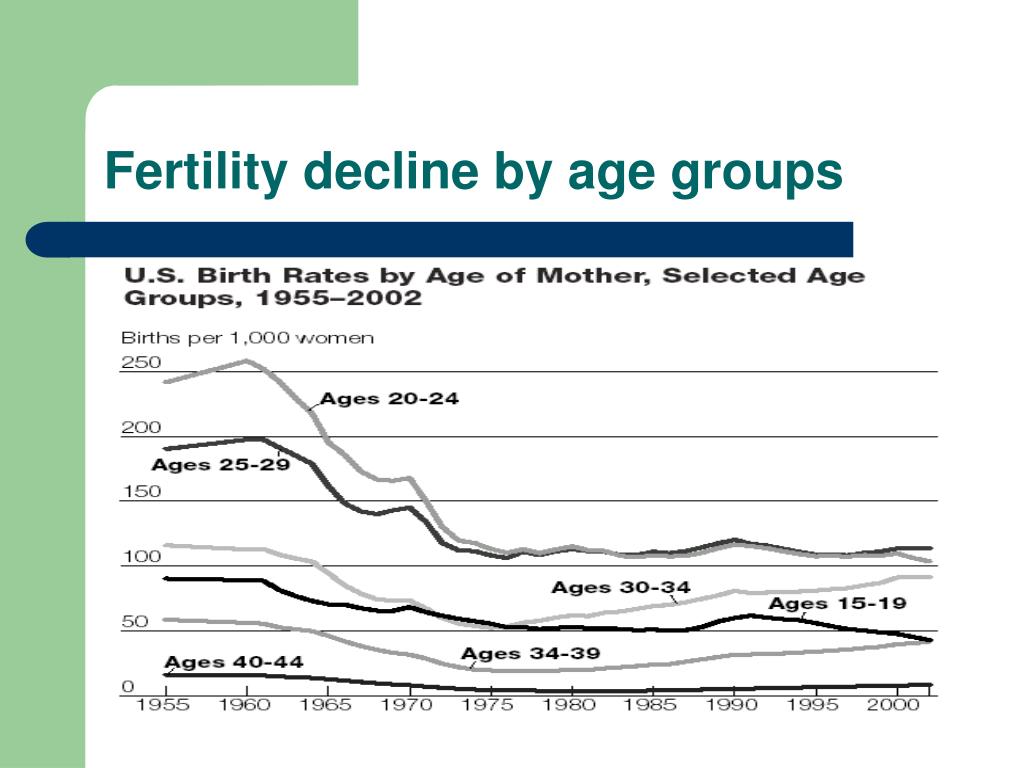
Women today are, on average, waiting longer to have children than any previous generation in recorded history. According to data from the U.S. Centers for Disease Control and Prevention, the average age of first-time mothers in the United States has risen from about 21 in 1972 to nearly 27 nationally, and considerably higher in urban and professional demographics. In major cities, first-time motherhood in the mid-to-late 30s is increasingly common.

None of this is inherently wrong. Women have careers, educational goals, financial considerations, relationship timelines, and personal readiness factors that are every bit as legitimate as the biological clock. The problem is not that women are waiting. The problem is that they are often waiting without accurate information about what their biology is doing in the meantime.

Reproductive medicine has made extraordinary advances. Egg freezing, IVF, preimplantation genetic testing, and a growing array of hormonal support protocols have expanded options meaningfully. But those options work best, are most successful, and are least emotionally and financially taxing when pursued with clear, timely information. The earlier you understand your fertility picture, the more tools you have at your disposal.

This is not a post about alarm. It is a post about information. And information, in this context, is one of the most powerful reproductive choices you can make.

Knowledge is not panic. Knowledge is power. Let’s get into it.


Sign #1: Your Periods Are Getting Shorter (A Major Fertility Decline After 30 Red Flag)

You’ve had a 5-day period your whole adult life. Lately, it’s wrapping up in 3. You’re secretly relieved. Less mess, less discomfort, done faster. But here’s the thing: a shortening menstrual cycle or a lighter, briefer period can be one of the earliest signs of declining ovarian reserve.

Here’s the biology in plain English. As you age, the number of eggs remaining in your ovaries (your “ovarian reserve”) decreases. With fewer follicles maturing each cycle, your body produces less estrogen in the first half of your cycle. Less estrogen means a thinner uterine lining. A thinner lining sheds faster and more lightly. What feels like a convenient change is actually your hormones quietly renegotiating the terms.

What a Shortening Cycle Actually Tells You

A cycle that used to be 28 to 30 days creeping down to 24 or 25 days is another related pattern worth noting. Shorter cycles often mean your follicular phase (the first half, where an egg matures) is compressing. That compression can reflect diminishing ovarian reserve and may reduce the window in which conception is possible each month.

This doesn’t mean you can’t get pregnant. It means the window may be narrowing, and the earlier you know that, the better your options.

What to do right now:

  • Track your cycle carefully for 3 to 6 months using an app like Clue or Flo and note any changes in length, flow, and duration.
  • Talk to your OB-GYN or a reproductive endocrinologist about an AMH (Anti-Müllerian Hormone) blood test, which measures ovarian reserve directly.
  • Ask about a Day 3 FSH and estradiol test, which gives a snapshot of how hard your body is working to recruit eggs each cycle.
  • Don’t dismiss lighter, shorter periods as a win without getting context. Your body is telling you something.

The earlier you detect a shift in your cycle, the earlier you can have an informed conversation about your options, including egg freezing, fertility preservation, or simply accelerating your timeline if having children is in your plans.


Sign #2: You’re Experiencing Irregular or Skipped Periods — A Classic Fertility After 30 Signal

Irregular periods are one of those things women tend to chalk up to stress, travel, a new workout routine, or just “one of those months.” And sometimes, that’s exactly what they are. But when irregularity becomes a pattern after 30, it deserves more attention than most women give it.

Ovulation is the cornerstone of fertility. No ovulation, no egg. No egg, no pregnancy. When your cycles become erratic, it often signals that ovulation itself is becoming irregular. This is sometimes referred to as oligovulation (infrequent ovulation) and it becomes increasingly common as ovarian reserve declines.

The Difference Between Occasional Irregularity and a Pattern

One wonky cycle after a transatlantic flight or a brutal work deadline is unlikely to be cause for alarm. But if you’re regularly skipping months, cycling every 21 days one month and every 38 the next, or going 60-plus days between periods with no obvious external trigger, those are patterns worth investigating.

Conditions like polycystic ovary syndrome (PCOS), thyroid dysfunction, and hyperprolactinemia can all cause irregular cycles and affect fertility. Perimenopause, which can begin as early as the mid-30s in some women, is another possibility. All of these are diagnosable and, importantly, manageable.

What to do right now:

  • Log every cycle for at least three to six months, including start date, end date, flow level, and any notable symptoms like cramping or spotting.
  • Request a hormone panel from your doctor that includes FSH, LH, AMH, estradiol, TSH (thyroid), and prolactin.
  • If PCOS is suspected, ask about an ultrasound to assess antral follicle count (AFC), which is another measure of ovarian reserve.
  • Consider seeing a reproductive endocrinologist (RE) rather than only a general OB-GYN if you’ve had irregularity for more than three consecutive cycles.

Irregular periods are your body waving a flag. The kindest thing you can do for your future self is to listen.


Sign #3: Changes in Cervical Mucus — An Underrated Sign of Declining Fertility After 30

This is the sign most women never learn about in school, in their doctor’s office, or from any conversation they’ve ever had. And it is, quietly, one of the most useful fertility indicators your body produces every single month.

Cervical mucus (CM) changes throughout your cycle in response to estrogen. In the days leading up to ovulation, it typically becomes clear, stretchy, and slippery, often compared to raw egg whites. This texture signals peak fertility and creates an environment that helps sperm survive and travel toward an egg. After ovulation, it thickens and dries up.

Why Less or No Fertile-Quality Mucus Matters

As estrogen production declines with age and reduced ovarian reserve, many women notice that their fertile-window mucus becomes less abundant, less stretchy, or disappears almost entirely. Some women in their mid-30s report that they used to have several days of egg-white cervical mucus in their 20s, and now they see almost none.

This matters because even if ovulation is still occurring, reduced CM can impair sperm mobility and reduce the chances of fertilization. It’s a fertility factor that rarely appears on a blood panel but has real-world conception implications.

What to do right now:

  • Start observing and charting your cervical mucus daily. This costs nothing and takes seconds. Look for changes in texture, color, and consistency.
  • Learn the Creighton Model or the Billings Ovulation Method, both of which are well-researched frameworks for understanding CM patterns.
  • Ask your doctor about whether low-dose estrogen support or specific supplements (more on this shortly) might help.
  • Stay well-hydrated. Dehydration can reduce CM quantity independently of hormonal factors.
  • Avoid lubricants like K-Y Jelly during intercourse if trying to conceive, as many are spermicidal. Instead, look for fertility-friendly options like Pre-Seed.

Sign #4: Worsening PMS or New Mood Symptoms — A Hormonal Sign of Fertility Decline After 30

You’ve always been pretty even-keeled before your period. Maybe a little bloated, a little cranky, nothing you couldn’t handle. But lately? The week before your period feels genuinely hard. You’re irritable, anxious, tearful, or exhausted in ways that feel disproportionate to your circumstances. Your partner might have even gently, cautiously, asked if you’re okay.

What’s happening is hormonal, and it’s connected to fertility. As progesterone levels decline (which often occurs alongside declining ovarian reserve), the ratio between estrogen and progesterone can tip out of balance. This estrogen dominance in the luteal phase, the second half of your cycle, is a direct driver of worsening premenstrual symptoms.

The Progesterone Connection

Progesterone is often called the “calming hormone.” It has neurological effects, including supporting GABA activity in the brain, which promotes relaxation and emotional equilibrium. When progesterone drops, anxiety and mood instability often rise in lockstep. This is also the hormone that prepares and maintains the uterine lining for a potential pregnancy. Insufficient progesterone is a major cause of early miscarriage and implantation failure.

If your PMS has genuinely worsened after 30, especially if it’s accompanied by spotting before your period, that’s a signal that your luteal phase may be compromised.

What to do right now:

  • Ask your doctor for a Day 21 progesterone test (or 7 days post-ovulation if your cycle is irregular). This measures whether you’re producing adequate progesterone after ovulation.
  • Keep a detailed mood and symptom journal across your cycle. Apps like Moody or Clue allow you to log psychological symptoms alongside physical ones.
  • Discuss luteal phase support with your doctor if progesterone is low. Options include natural progesterone supplementation (bioidentical), which is widely used in fertility treatment.
  • Consider magnesium glycinate supplementation, which has solid research support for reducing PMS symptoms and supporting progesterone function.
  • Reduce alcohol intake during your luteal phase. Alcohol impairs progesterone metabolism and can amplify hormonal imbalance.

Sign #5: Difficulty Conceiving After Three to Six Months of Trying — A Direct Fertility After 30 Indicator

This one may seem obvious, but it’s one that many women and couples underestimate in its clinical significance. The general medical guidance is that if you are under 35 and have been trying to conceive for 12 months without success, you should seek evaluation. But if you are 30 to 35, many reproductive specialists now recommend seeking evaluation after just six months of trying. And if you’re 35 or older, that window shortens to three months.

Why the age-based acceleration? Because time is genuinely a biological variable in fertility. The longer you wait to investigate, the fewer options may be available, and the more cycles you may spend in limbo without understanding why conception isn’t happening.

What “Trying” Actually Means

It’s worth defining terms. Medically, “trying to conceive” means having unprotected intercourse at least two to three times per week, including during the fertile window. If you’ve been having occasional unprotected sex without specifically timing it to ovulation, that’s a different picture than targeted, cycle-aware conception attempts.

Research from the American Society for Reproductive Medicine confirms that by age 30, a woman’s monthly fecundity rate (the probability of conceiving in any given cycle) has already begun to decline from the peak of approximately 25% in the mid-20s. By 35, it drops further still.

This is not meant to alarm you. It’s meant to calibrate your expectations and your timeline.

What to do right now:

  • Use ovulation predictor kits (OPKs) to accurately identify your fertile window. Guessing based on cycle length alone can cause you to miss the window entirely.
  • If you’ve been trying for six months or more without success, request a full fertility workup. This should include hormone panels, a semen analysis for your partner, and a hysterosalpingography (HSG) to check whether your fallopian tubes are open.
  • Don’t wait for a full year if you have any of the other signs in this article. You can advocate for earlier testing.
  • Consider getting a fertility consultation even before you’re actively trying if you’re in your early 30s and know you want children in the next few years.

Sign #6: Hot Flashes, Night Sweats, or Vaginal Dryness — Early Perimenopause Signs Linked to Fertility Decline After 30

When most people hear “hot flashes,” they picture women in their 50s fanning themselves at dinner parties. But perimenopause, the transitional period before menopause, can begin in a woman’s mid-to-late 30s, and occasionally even earlier. And the symptoms it produces are directly tied to declining estrogen and diminishing ovarian reserve.

Hot flashes are brief episodes of intense heat, often accompanied by sweating and a flushed face. Night sweats are their nocturnal equivalent. Vaginal dryness, reduced libido, and changes in skin and hair can also accompany this hormonal shift. These are not just comfort issues. They are fertility signals.

Early Perimenopause and What It Means for Your Fertility

Early perimenopause doesn’t mean you cannot conceive. Many women in early perimenopause do conceive, naturally and through assisted reproduction. But it does mean that your fertile window is contracting more rapidly than average, and that the conversations you might have planned to have “in a few years” may need to happen now.

The presence of vasomotor symptoms (the clinical term for hot flashes and night sweats) before the age of 40 is sometimes referred to as premature ovarian insufficiency (POI) when accompanied by diagnostic criteria, or as early perimenopause when it’s part of a natural but accelerated decline. Either way, it warrants medical attention and fertility-specific conversation.

What to do right now:

  • Don’t dismiss hot flashes or night sweats as stress or anxiety if you’re experiencing them regularly before age 40. See a doctor.
  • Ask for an FSH blood test drawn on Day 2 or Day 3 of your cycle. Elevated FSH is one of the clearest hormonal markers of diminishing ovarian reserve and early perimenopause.
  • Request an AMH test, which does not need to be drawn on a specific cycle day and gives a good picture of remaining egg reserve.
  • Discuss hormone therapy or fertility preservation options if POI or early perimenopause is confirmed.
  • Address vaginal dryness proactively if you’re trying to conceive. Vaginal dryness can make intercourse uncomfortable, which affects frequency of attempts, and certain internal dryness can affect the environment sperm travel through.

Sign #7: Recurrent Early Miscarriage — One of the Most Painful Signs of Fertility Decline After 30

This is the hardest sign to write about, and the hardest one to experience. If you have had one or more pregnancy losses, especially in the early weeks before 10 weeks, this section is written with full awareness of how painful that experience is.

Recurrent miscarriage (defined clinically as two or more pregnancy losses) affects approximately 1 to 2% of women overall, but the rate rises significantly with age. Most early miscarriages are caused by chromosomal abnormalities in the embryo, specifically aneuploidy, where the embryo has the wrong number of chromosomes and cannot develop to term. As egg quality declines with age, the rate of chromosomal errors in eggs increases. This is the primary biological reason why miscarriage rates rise after 30 and more sharply after 35.

This Is About Egg Quality, Not Just Quantity

The decline in fertility after 30 is not just about running out of eggs. It’s about the quality of the eggs that remain. A 32-year-old woman may have a perfectly adequate quantity of eggs but a growing proportion of those eggs may carry chromosomal errors that make them non-viable. This is why “you still have plenty of eggs” is not the whole story.

Recurrent early loss is your body’s signal that either egg quality, embryo quality, or uterine environment needs investigation. All three are workable problems with medical support.

What to do right now:

  • After two or more losses, request a recurrent pregnancy loss (RPL) workup. This should include chromosomal testing of both partners, a uterine cavity evaluation (via sonohysterogram or hysteroscopy), thrombophilia screening, and a full hormone panel.
  • Ask your fertility specialist about preimplantation genetic testing (PGT-A) if you’re considering IVF. This allows embryos to be screened for chromosomal normalcy before transfer, significantly reducing miscarriage risk.
  • Discuss coenzyme Q10 (CoQ10) with your doctor. There is growing evidence that CoQ10 supplementation supports mitochondrial function in eggs, potentially improving egg quality. Doses used in research typically range from 400 to 600mg daily.
  • Ensure your folic acid or methylfolate intake is adequate. Women with the MTHFR gene variant process folic acid less efficiently, and methylfolate is a better-absorbed alternative.
  • Seek emotional support. Pregnancy loss is grief. It is valid, it is real, and processing it with a counselor or support group is not weakness. It is care.

The Fertility Decline After 30: What the Data Actually Shows

Here is a clear, honest snapshot of how age intersects with fertility metrics, based on available reproductive medicine data.

Age Range Monthly Chance of Conception Miscarriage Rate Egg Quality Decline Recommended Action Timeline
25 to 29 ~25% per cycle ~10 to 12% Minimal Baseline fertility awareness
30 to 32 ~20% per cycle ~12 to 15% Mild, gradual Begin tracking; consider AMH test
33 to 35 ~15 to 18% per cycle ~15 to 20% Moderate Seek evaluation after 6 months trying
36 to 38 ~10 to 12% per cycle ~20 to 25% Significant Seek evaluation after 3 months trying
39 to 40 ~8 to 10% per cycle ~25 to 35% Considerable Immediate fertility consultation
40 to 42 ~5 to 8% per cycle ~35 to 50% Substantial Immediate consultation; discuss all options

Sources: American Society for Reproductive Medicine; Society for Assisted Reproductive Technology (SART)

This table is not meant to induce panic. It’s meant to replace vague anxiety with clear information. A 15% monthly chance of conception is still meaningful. A 20% miscarriage rate means 80% of pregnancies don’t miscarry. The numbers create context, not certainty.


What You Can Actually Do: A Practical Fertility-Support Framework

Now that you know the signs, let’s talk about action. Because every single sign discussed above has a corresponding response, and most of them are things you can start today.

1. Get the Right Tests Done

The foundation of any fertility strategy is accurate information. The core tests you should request if you have any of the signs above include:

  • AMH (Anti-Müllerian Hormone): Measures ovarian reserve. Can be done any day of your cycle.
  • Day 3 FSH and Estradiol: Measures how hard your body is working to stimulate egg development. Done on cycle Day 2 to 4.
  • Antral Follicle Count (AFC): An ultrasound-based count of resting follicles. Done in the first few days of your cycle.
  • Day 21 Progesterone: Confirms that ovulation occurred and measures luteal phase adequacy.
  • Thyroid Panel (TSH, Free T3, Free T4): Thyroid dysfunction is a major and frequently missed cause of fertility problems.
  • Full hormonal panel: Including prolactin, LH, DHEA-S, and testosterone.

Many of these tests can be ordered by a general practitioner, but a reproductive endocrinologist will interpret them in the most fertility-relevant context.

2. Optimize What You Can Control

Not everything about fertility is fixed. Many lifestyle and nutritional factors have solid evidence behind them:

  • CoQ10 supplementation (400 to 600mg daily): Supports mitochondrial energy in eggs and may improve egg quality, particularly relevant for women over 35.
  • DHEA supplementation (25 to 75mg daily, under medical supervision): Some research supports DHEA for women with diminished ovarian reserve. This should only be taken under medical guidance as it is hormonally active.
  • Mediterranean-style diet: Rich in leafy greens, legumes, healthy fats, and lean protein, with reduced processed foods and sugar. Consistently associated with better fertility outcomes in research.
  • Reduce alcohol significantly: Even moderate alcohol consumption has been shown to reduce fertility and increase miscarriage risk.
  • Manage thyroid health: Ensure your TSH is below 2.5 if you are trying to conceive. Many doctors consider values up to 4.5 “normal” for the general population but reproductive medicine specialists generally prefer TSH below 2.5 for fertility patients.
  • Achieve or maintain a healthy body weight: Both underweight and overweight status can disrupt ovulation and hormonal balance. A BMI between 20 and 27 is generally associated with optimal fertility.
  • Reduce chronic stress where possible: Chronic cortisol elevation suppresses reproductive hormones. This doesn’t mean “just relax” (a spectacularly unhelpful phrase in fertility conversations). It means building in genuine recovery: sleep, movement, social connection, and practices like yoga or mindfulness if they suit you.

3. Know Your Preservation Options

If you’re not ready to conceive now but want to keep your options open, egg freezing (oocyte cryopreservation) has become a medically sound, increasingly accessible option. The American College of Obstetricians and Gynecologists provides guidance on fertility preservation, noting that younger eggs (frozen in your early 30s rather than late 30s) yield better outcomes.

The process involves ovarian stimulation, egg retrieval under sedation, and cryopreservation. It does not guarantee a future pregnancy, but it gives you a hedge against further decline.

Success rates vary by age at freezing, clinic, and individual response to stimulation. Ask for clinic-specific data when evaluating providers, specifically live birth rates per egg retrieved, stratified by age.

4. Don’t Navigate This Alone

The fertility journey, at any stage, is emotionally complex. Whether you’re just beginning to notice signs or you’re deep in a treatment protocol, community matters.

Peer-reviewed support groups, therapists who specialize in reproductive health, and resources like RESOLVE: The National Infertility Association can make the difference between feeling isolated and feeling supported.

Your partner, if you have one, should also be involved early. Male factor infertility accounts for approximately 30 to 40% of fertility issues across couples. A semen analysis is a simple, non-invasive test that should happen early in any fertility evaluation, not as a last resort.


The Bottom Line: Your Fertility After 30 Is Not a Verdict, It’s a Conversation

Here’s the thing about fertility decline after 30. It is real, it is normal, and it is not a life sentence.

Women conceive in their 30s every day. Women with diminished ovarian reserve conceive. Women who have experienced miscarriage go on to have healthy pregnancies. Women who catch these signs early and take strategic action expand their options dramatically compared to those who wait.

What changes after 30 is not that pregnancy becomes impossible. What changes is that time becomes a more active participant in the equation. The signs in this article are your early warning system. The tests and steps outlined are your response protocol.

The Most Important Thing You Can Do Today

If you’ve read this far and you’re recognizing yourself in one or more of these signs, the most important thing you can do is not spiral into anxiety. It’s act.

Book an appointment with a reproductive endocrinologist for a fertility assessment, even if you’re not actively trying to conceive right now. The information you gain from a single consultation and a hormone panel can change how you plan the next two to five years of your life. It can tell you whether your timeline has more flexibility than you thought, or whether moving sooner makes more sense than you realized. Either answer is useful.

Many fertility clinics now offer “fertility check” packages specifically designed for women in their late 20s and 30s who want a snapshot of their reproductive health without committing to fertility treatment. These typically include an AMH test, Day 3 hormones, an antral follicle count ultrasound, and a consultation to interpret the results. They are, in most cases, well worth the investment in clarity alone.

A Note on the Emotional Weight of This Topic

Fertility is not just a medical topic. It is deeply personal, often tied to a woman’s sense of identity, her relationship, her plans, and sometimes her grief. Whether you have experienced pregnancy loss, a difficult diagnosis, years of unexplained infertility, or simply a growing awareness that time is doing something you weren’t ready for, those feelings are real and they matter.

Engaging with this information from a place of self-compassion rather than self-blame makes an enormous difference. You did not cause your fertility to decline. Biology is not a punishment. And the fact that you are reading this, asking these questions, and seeking information is already an act of care toward your future self.

You deserve to understand your own body. You deserve information that is accurate, specific, and given without condescension or alarm. And you deserve the agency that comes from knowing what’s happening, why it’s happening, and what, concretely, you can do about it.

Start with one step. Book the appointment. Order the test. Start tracking. One step creates the next one.


CTA

Found this article useful? Share it with a friend who’s in her 30s and thinking about her fertility, because most women never see this information until they’re already in a clinic wondering what they missed.

Have a question or a sign you’ve noticed that wasn’t covered here? Drop it in the comments below. This is a conversation, not a lecture, and your experience matters.


This article is for informational purposes only and does not constitute medical advice. Always consult with a qualified healthcare provider or reproductive endocrinologist for personalized guidance.
9 Shocking Reasons You Keep Having Miscarriages — And The 3 Life-Saving Tests Every Woman Needs Immediately

You did everything right. And you still lost the pregnancy. Again.

If that sentence landed somewhere deep in your chest, this article was written for you.


Introduction: You Are Not Alone, and You Are Not Broken

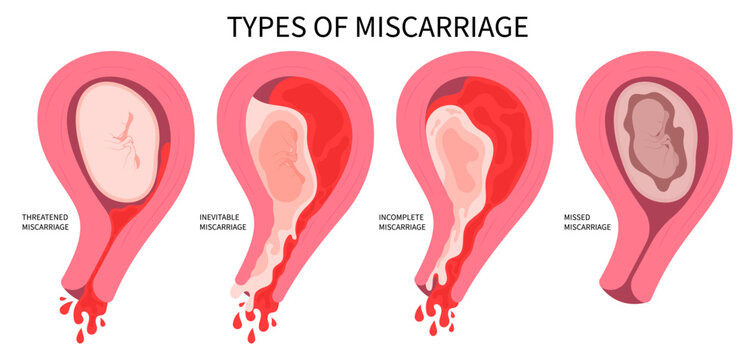
Recurrent miscarriage, medically defined as two or more pregnancy losses, is one of the most emotionally devastating experiences a person can go through. The grief is real. The confusion is real. And perhaps the most painful part of all is the silence. The not knowing why.

Here is something your doctor may not have said out loud: most cases of recurrent pregnancy loss are diagnosable. Many are treatable. And with the right testing and specialist care, the majority of women who have suffered repeated losses go on to have successful pregnancies.

The problem is that millions of women never get those tests. They are sent home after each loss with a sympathetic nod and the vague reassurance that “it happens.” They are told to “try again.” They are never given the roadmap that actually exists, the one that explains what is happening inside their bodies and what can be done about it.

That roadmap is what this article is. We are going to walk through nine medically documented reasons why miscarriages keep happening, and then we are going to get specific about the three categories of testing that every woman experiencing recurrent pregnancy loss deserves to have immediately.

This is not a substitute for professional medical advice. It is the informed starting point you deserve before you walk into your next appointment.

Miscarriages


Reason #1: Chromosomal Abnormalities Are the Silent Culprit Behind Most Recurrent Miscarriages

When an embryo forms, it receives chromosomes from both partners. Sometimes, through no one’s fault and for no controllable reason, that process goes wrong. The embryo ends up with too many chromosomes, too few, or a rearrangement that cannot sustain life.

This is called aneuploidy, and it is staggeringly common. According to research published on NCBI’s Recurrent Pregnancy Loss resource, chromosomal abnormalities are involved in up to 80% of all spontaneous miscarriages that occur before ten weeks of gestation. That is not a small number. That is the majority.

What makes this particularly heartbreaking is that random chromosomal errors are exactly that: random. They are not caused by stress, diet, exercise, or anything you did. They happen during the earliest cell divisions, before most women even know they are pregnant.

However, a small subset of couples who experience recurrent losses carry what is called a chromosomal translocation. This is a structural abnormality present in one of the partners where a segment of one chromosome attaches to another. The person carrying the translocation is typically healthy and symptom-free, but their eggs or sperm carry a high rate of chromosomal imbalance. This is not random. This is a pattern, and it is something that can be identified through genetic testing.

Key points about chromosomal causes:

  • Random aneuploidy becomes more common as maternal age increases, particularly after 35
  • A balanced translocation in either partner can cause recurrent losses even when both individuals appear perfectly healthy
  • Testing products of conception after a miscarriage can confirm whether chromosomes were involved
  • This finding does not close the door to pregnancy; it opens the door to targeted solutions like IVF with preimplantation genetic testing

Reason #2: Uterine Structural Problems Silently Interfere With Recurrent Pregnancy Success

Think of the uterus as a home you are preparing for a new occupant. If the walls have a structural flaw, a shelf in the wrong place, a room that cannot be properly ventilated, the environment cannot support healthy development no matter how perfect the occupant is.

Structural abnormalities in the uterus are a well-established cause of recurrent miscarriage. These can include uterine fibroids, polyps, adhesions (bands of scar tissue, often called Asherman’s syndrome), and a uterine septum, which is a wall of tissue dividing the uterine cavity in two.

A uterine septum is particularly sneaky. It is present from birth, meaning many women never know they have it until they start trying to have children. The septum has a poor blood supply, so an embryo that implants on or near it often cannot develop properly. Studies suggest that a septum may be responsible for up to 35% of second-trimester losses, and the good news is that it is surgically correctable with a minimally invasive procedure.

Fibroids and polyps are also worth investigating carefully. Submucosal fibroids, those that protrude into the uterine cavity, are the most likely to interfere with implantation and fetal development. These too can often be removed surgically, with studies showing improved pregnancy outcomes afterward.

Structural issues to ask your doctor about:

  • Uterine septum (congenital division of the uterine cavity)
  • Submucosal fibroids (fibroids growing inside the uterine lining)
  • Endometrial polyps (small growths on the uterine lining)
  • Intrauterine adhesions or Asherman’s syndrome (scar tissue from prior procedures)
  • Cervical insufficiency (a weak cervix that opens too early, usually causing second-trimester losses)

Reason #3: Antiphospholipid Syndrome Is a Treatable Cause of Recurrent Miscarriage That Is Frequently Missed

This is one of the most important causes of recurrent pregnancy loss that many women have never heard of. Antiphospholipid syndrome, sometimes abbreviated as APS or APLS, is an autoimmune condition in which the body produces antibodies that attack certain proteins in the blood, leading to an increased tendency to form blood clots.

During pregnancy, these clots can form in the tiny blood vessels of the placenta. The placenta is the lifeline between mother and baby, delivering oxygen and nutrients. When that flow is disrupted by clotting, the pregnancy cannot survive.

Research cited by the National Center for Biotechnology Information suggests that antiphospholipid syndrome accounts for somewhere between 8% and 42% of cases of recurrent pregnancy loss. That wide range reflects the variation in how strictly the syndrome is defined, but even at the lower estimate, it is a significant contributor.

Here is why this matters so much: APS is one of the most treatable causes of recurrent miscarriage. A combination of low-dose aspirin and a blood-thinning medication called heparin, taken during pregnancy, has been shown to dramatically improve live birth rates in women with APS. According to ACOG, this treatment can meaningfully raise the chances of a successful pregnancy for women who would otherwise face repeated losses.

You will not know you have it unless you are tested for it. The test is a simple blood draw.

Signs that APS might be involved:

  • Miscarriages occurring after the first trimester (past ten weeks) are particularly suggestive
  • A history of blood clots elsewhere in the body
  • A known autoimmune condition such as lupus
  • Miscarriages accompanied by low platelet counts or unusual blood test results

Reason #4: Thyroid Disorders Are a Surprisingly Common Driver of Recurrent Pregnancy Loss

The thyroid is a small, butterfly-shaped gland in your neck, and it quietly controls an enormous amount of your body’s function. During pregnancy, its role becomes even more critical. The developing fetus depends entirely on maternal thyroid hormone in the first trimester before its own thyroid becomes functional.

Both an underactive thyroid (hypothyroidism) and an overactive thyroid (hyperthyroidism) are associated with recurrent miscarriage. Hypothyroidism is more commonly linked to pregnancy loss, and it is more common than most people realize. Millions of women live with subclinical hypothyroidism, meaning their levels are abnormal but not dramatically so, and many of them have no symptoms at all.

Even more significantly, thyroid antibodies can cause problems even when thyroid hormone levels look normal on a standard test. Women who carry thyroid peroxidase antibodies have an elevated risk of miscarriage, and some studies suggest that treating with thyroid medication even when levels appear borderline may improve pregnancy outcomes.

The takeaway is this: a complete thyroid panel, not just a basic TSH test, is essential for any woman experiencing recurrent pregnancy loss. This means TSH, Free T4, Free T3, and thyroid antibody levels.

Why thyroid function matters so much in early pregnancy:

  • The fetus relies on maternal thyroid hormone for brain and nervous system development in the first trimester
  • Thyroid abnormalities are easily treated with medication that is safe during pregnancy
  • Standard thyroid screening often misses subclinical cases, so requesting a full panel is important
  • Optimal TSH levels for pregnant women are different from the standard reference range, so a specialist in reproductive endocrinology can provide more targeted guidance

Reason #5: Uncontrolled Diabetes Significantly Elevates the Risk of Recurrent Miscarriage

Diabetes is well known for its effects on overall health, but its connection to pregnancy loss is less widely discussed. Both Type 1 and Type 2 diabetes, when poorly controlled, are associated with significantly increased rates of miscarriage.

The mechanism here involves elevated blood sugar levels creating a hostile environment for early embryonic development. High glucose can affect implantation, impair placental development, and contribute to fetal chromosomal abnormalities. The good news is that well-controlled diabetes, achieved through careful blood sugar management before and during pregnancy, can bring miscarriage risk down to near-normal levels.

Insulin resistance, even without a full diagnosis of Type 2 diabetes, is also relevant. Polycystic ovary syndrome (PCOS) is a common condition that causes insulin resistance, hormonal imbalances, and elevated androgen levels. Women with PCOS have a higher rate of miscarriage, and managing the insulin resistance component through lifestyle changes or medication can make a meaningful difference.

If you have been diagnosed with PCOS, or if you have a family history of diabetes, flagging this with your reproductive specialist is essential.


Reason #6: Progesterone Deficiency Prevents the Uterine Lining From Supporting a Healthy Pregnancy

Progesterone is often called the “pregnancy hormone” because its role in early gestation is foundational. After ovulation, progesterone transforms the uterine lining into a thick, nutrient-rich environment ready to receive and support an embryo. In early pregnancy, it continues to maintain that environment until the placenta takes over production, typically around the end of the first trimester.

When progesterone levels are insufficient, a condition sometimes called luteal phase defect, the uterine lining may not be adequately prepared for implantation. Even if implantation occurs, it may not be sustained. The embryo essentially loses its support system.

Progesterone supplementation, taken in the form of capsules, suppositories, or injections, has been used to support early pregnancies for decades. Research on its effectiveness in unexplained recurrent miscarriage has been mixed, but for women with documented low progesterone or luteal phase defect, supplementation is a standard and reasonable intervention.

How to approach progesterone concerns:

  • Ask your doctor to check progesterone levels seven days after ovulation to assess luteal phase function
  • Mention any history of short cycles, light periods, or spotting in early pregnancy, all of which can suggest low progesterone
  • Discuss whether progesterone supplementation from ovulation or from a positive pregnancy test might be appropriate in your case

Reason #7: Blood Clotting Disorders Beyond APS Can Quietly Cause Recurrent Pregnancy Loss

Antiphospholipid syndrome gets most of the attention in discussions of clotting-related miscarriage, but it is not the only clotting disorder that matters. Inherited thrombophilias, genetic variations that affect how the blood clots, are also linked to pregnancy loss in some women.

Conditions like Factor V Leiden mutation, prothrombin gene mutation, and protein S or protein C deficiencies are examples of inherited thrombophilias. These conditions increase the risk of blood clots forming in the placenta, which can restrict blood flow to the fetus and result in pregnancy loss, particularly in the second trimester.

It is worth noting that the scientific community has ongoing debate about how strongly inherited thrombophilias are linked to first-trimester losses versus later losses. The evidence for second-trimester pregnancy loss is more consistent. Nonetheless, for women with a personal or family history of blood clots, or those who have experienced losses after the first trimester, thrombophilia testing is a reasonable and informative step.


Reason #8: Immunological Factors and Natural Killer Cell Activity May Disrupt Implantation

This area of reproductive medicine is evolving rapidly, and it sits at the more cutting-edge end of recurrent miscarriage research. The immune system’s role in pregnancy is paradoxical: the body must tolerate a fetus, which is genetically half foreign, while still defending against genuine threats. When that tolerance breaks down, pregnancy loss can result.

Natural killer (NK) cells are a component of the immune system found in elevated concentrations in the uterine lining of some women with recurrent miscarriage. The theory is that excessively active NK cells may attack the developing embryo or interfere with the formation of new blood vessels needed to sustain the placenta.

Testing for uterine NK cells involves an endometrial biopsy, and treatment options including immunosuppressive medications and intravenous immunoglobulin (IVIG) are being explored. However, it is important to be realistic: this field is still developing, and not all proposed treatments have strong evidence behind them yet.

If you have had multiple losses that remain unexplained after standard testing, asking a reproductive immunologist about immune-related testing is a reasonable next step, but one that should come after the more established investigations.


Reason #9: Lifestyle Factors and Environmental Influences Have a Real and Often Underestimated Impact

This section requires some care, because the last thing anyone grieving a pregnancy loss needs is to feel blamed for something they could not control. That is not what this is about.

The reality is that certain modifiable factors do meaningfully affect miscarriage risk, and addressing them is an act of self-care and empowerment, not self-blame.

Research has linked the following to an increased risk of recurrent pregnancy loss:

  • Cigarette smoking: Affects how the placenta develops and implants
  • Alcohol consumption: Even moderate intake of three to five drinks per week has been associated with elevated risk in some studies
  • High caffeine intake: More than three cups of coffee per day appears to increase risk
  • Obesity: Independently associated with recurrent pregnancy loss in women who conceive naturally; this link is partly explained by the insulin resistance and hormonal disruption that excess weight can cause
  • Significant underweight or nutritional deficiency: Can disrupt hormonal balance and uterine function

Additionally, environmental exposures to certain chemicals, heavy metals, and toxins have been studied in relation to miscarriage risk. While this research is still developing, minimizing known environmental exposures during preconception and early pregnancy is a sensible precaution.

The point is not perfection. It is information. Knowing these factors means you can discuss them honestly with your doctor and make adjustments where possible while pursuing the medical investigation you deserve in parallel.


The 3 Essential Test Categories Every Woman With Recurrent Miscarriage Needs

Now we get to the practical part. If you have experienced two or more miscarriages, the American College of Obstetricians and Gynecologists recommends a thorough evaluation. Here are the three major categories of testing that should be part of that workup.

Test Category 1: Genetic and Chromosomal Evaluation

This encompasses testing of both partners as well as, ideally, any pregnancy tissue from a previous loss.

Parental karyotyping is a blood test that maps the chromosomes of both the woman and her partner. It can identify balanced translocations or other structural chromosomal abnormalities that, while causing no symptoms in the carrier, can result in chromosomally abnormal pregnancies.

Genetic analysis of pregnancy tissue (also called products of conception testing) identifies whether a specific loss was caused by a chromosomal problem. This is valuable both for understanding what happened and for determining whether losses appear to be random or patterned.

If chromosomal issues are identified, genetic counseling can map out a path forward that may include IVF with preimplantation genetic testing, which allows embryos to be screened before transfer.

Test Category 2: Uterine and Structural Imaging

The uterus must be evaluated thoroughly. A basic pelvic ultrasound is not sufficient. The gold-standard tests for this category include:

Hysterosalpingogram (HSG): An X-ray procedure where dye is injected into the uterine cavity to outline its shape and check for abnormalities in the fallopian tubes.

Sonohysterogram (SHG): A saline infusion ultrasound that provides an excellent view of the inside of the uterine cavity. It is particularly good at identifying polyps, fibroids, and septa.

3D Ultrasound or MRI: When standard imaging is inconclusive, three-dimensional ultrasound or pelvic MRI can provide a more detailed view of uterine anatomy, including congenital abnormalities.

Hysteroscopy, a procedure where a camera is inserted into the uterine cavity, is both diagnostic and potentially therapeutic, allowing the doctor to identify and sometimes immediately treat structural problems in the same procedure.

Test Category 3: Comprehensive Blood Work Panel

This is the largest and most varied category. A thorough blood panel for recurrent pregnancy loss should include:

Antiphospholipid antibody panel: Tests for lupus anticoagulant, anticardiolipin antibodies, and anti-beta2 glycoprotein antibodies. Note that to diagnose APS, the positive result must be confirmed on two occasions at least twelve weeks apart.

Complete thyroid panel: TSH, Free T4, Free T3, and thyroid peroxidase antibodies (anti-TPO). Requesting antibody testing specifically is important, as many standard thyroid screenings only measure TSH.

Hormonal assessment: Progesterone (checked in the luteal phase), FSH, LH, estradiol, AMH (anti-Mullerian hormone, which assesses ovarian reserve), and prolactin.

Blood glucose and insulin: Particularly relevant if PCOS, obesity, or a family history of diabetes is present.

Thrombophilia panel: Including Factor V Leiden, prothrombin gene mutation, protein C, protein S, and antithrombin III. This is most relevant for losses occurring after the first trimester or in women with personal or family history of clotting disorders.


Comparative Overview: Recurrent Miscarriage Causes, Tests, and Treatability

Cause Estimated Contribution Primary Test Treatable?
Chromosomal abnormality (random aneuploidy) Up to 50% of all losses Products of conception testing Not preventable, but IVF with PGT is an option
Parental chromosomal translocation 2-5% of couples with RPL Parental karyotyping Yes — PGT or donor gametes
Uterine structural abnormality 10-15% of RPL cases Sonohysterogram / Hysteroscopy Often yes, with surgery
Antiphospholipid syndrome 8-42% of RPL cases APS antibody panel Yes — aspirin + heparin
Thyroid disorder Significant contributor Full thyroid panel + antibodies Yes — thyroid medication
Uncontrolled diabetes / PCOS Meaningful contributor Blood glucose, insulin, hormones Yes — blood sugar management
Progesterone deficiency Contested but relevant Day 21 progesterone test Yes — progesterone supplementation
Inherited thrombophilias Primarily second-trimester losses Thrombophilia panel Yes — anticoagulants during pregnancy
Immunological (NK cells, etc.) Emerging research area Endometrial biopsy (specialist) Emerging — treatments still being studied
Lifestyle factors Compounding risk factor Medical history and discussion Yes — lifestyle modification

What Happens If No Cause Is Found?

It is worth addressing this directly, because it happens in a significant portion of cases.

Even after a thorough investigation, the cause of recurrent pregnancy loss cannot be identified in roughly half of all cases. This is called unexplained recurrent pregnancy loss, and living with that uncertainty is genuinely difficult.

Here is the most important thing to know about unexplained RPL: the outlook is still hopeful. According to the American College of Obstetricians and Gynecologists, about 65 out of 100 women with unexplained recurrent pregnancy loss go on to have a successful pregnancy without any specific treatment. That number is real, and it matters.

Additionally, the category of “unexplained” is shrinking as research advances. Immunological testing, more sensitive genetic analysis, and better evaluation of endometrial function are all expanding the range of what can be detected and addressed.

The absence of a diagnosis is not the same as the absence of hope.


Finding the Right Care After Recurrent Pregnancy Loss

General practitioners and even general OB-GYNs, while compassionate and skilled, are not always equipped to conduct the full workup that recurrent miscarriage requires. Asking for a referral to a reproductive endocrinologist or a specialist recurrent pregnancy loss clinic is entirely appropriate and, frankly, essential.

In the United Kingdom, the NHS guidelines recommend referral to a specialist miscarriage clinic after three losses. In the United States, many reproductive specialists will begin a workup after two losses, and the ACOG supports this approach.

You do not need to wait. You do not need to prove yourself by losing another pregnancy. You are entitled to answers.

If your current doctor is not taking your concerns seriously, seek a second opinion. A good specialist will welcome your questions, order a comprehensive panel, and work with you to understand your individual picture rather than offering vague reassurance.


The Emotional Reality Nobody Prepares You For

A medical article can give you information, but it cannot fully honor what you have been through. Recurrent miscarriage is grief layered on top of grief, often in silence, often without the acknowledgment that a later pregnancy loss would receive.

The mental health toll is real and well-documented. Women experiencing recurrent pregnancy loss report rates of anxiety and depression comparable to those facing serious chronic illness. This is not weakness. This is the weight of love meeting loss, over and over again.

Please do not carry it alone. Seeking psychological support alongside medical investigation is not a luxury. It is part of comprehensive care. Many recurrent pregnancy loss clinics now incorporate counseling as a standard part of their program. Peer support groups, both in person and online, connect you with others who understand in ways that even the most caring friends may not.

You are not broken. You are navigating something genuinely hard, and you deserve both answers and support.


Conclusion: Knowledge Is the First Step Toward a Different Outcome

Recurrent miscarriage is not a sentence. It is a signal. A signal that something in the complex, intricate process of creating a pregnancy is not working as it should, and that with the right investigation, there is a real chance of finding out what that something is.

The nine causes we explored here, chromosomal abnormalities, uterine structure, antiphospholipid syndrome, thyroid dysfunction, diabetes and insulin resistance, progesterone deficiency, clotting disorders, immune factors, and lifestyle influences, each represent a doorway. Behind some of those doors is a treatable problem and a path forward.

The three testing categories, genetic evaluation, uterine imaging, and comprehensive blood work, are not exotic or experimental. They are established, accessible, and often covered by insurance when a physician documents recurrent pregnancy loss.

The most important thing you can do right now is walk into your next appointment armed with specific questions. Ask for a referral to a specialist. Ask for a comprehensive workup. Ask what tests have not yet been done.

You have earned the right to a real answer.


Take the Next Step

Share this article with someone navigating recurrent miscarriage who deserves the information, grief is heavier when it is carried without context.

Read Next:

  • What to Say (and Not Say) to Someone Who Has Had a Miscarriage
  • IVF With Preimplantation Genetic Testing: A Plain-Language Guide
  • How to Talk to Your Doctor About Recurrent Pregnancy Loss (Script Included)

Drop a comment below: Have you been through a recurrent loss workup? What did you wish you had known sooner? Your experience might be exactly what someone else needs to hear.


This article is intended for informational purposes only and does not constitute medical advice. Please consult a qualified healthcare provider regarding your individual circumstances.

Why Your Period Is Suddenly Irregular After 35: 8 Serious Causes Every African and American Woman Needs To Know Now

You tracked your cycle religiously for years, and then one month, everything changed. Your period arrived two weeks early, lasted ten days, or simply vanished without a trace.

If you are over 35 and your menstrual cycle is suddenly behaving like it never got the memo, you are not imagining things, and you are absolutely not alone.

Introduction: Your Body Is Talking. Are You Listening?

Here is something most doctors do not spend enough time explaining: the years between 35 and 50 are one of the most biologically turbulent periods in a woman’s life. Your hormones are shifting, your reproductive timeline is evolving, and your body is leaving you clues in the one place that most reliably reflects your internal health. Your period.

For African and American women specifically, irregular periods after 35 carry layered significance. Research consistently shows that Black women face higher rates of uterine fibroids, are diagnosed with endometriosis later, and experience perimenopause differently than their white counterparts. American women across all backgrounds, meanwhile, navigate environmental stressors, dietary shifts, and healthcare access disparities that directly affect menstrual health.

This is not a “wait and see” situation. An irregular period is your body’s version of a blinking check-engine light. You would not ignore that light on your dashboard for six months, would you?

This guide breaks down the 8 most serious and most commonly overlooked causes of sudden irregular periods after 35, what each one means for your long-term health, and exactly what steps to take. Whether your cycle has gone from 28 days to 45, your flow has tripled overnight, or you have started spotting between periods, there is a reason. Let us find it.

Period


1. Perimenopause: The Most Misunderstood Cause of Irregular Periods After 35

Most women expect menopause to arrive around 51. What they do not expect is that the hormonal chaos leading up to it can begin as early as 35, and the first sign is almost always a change in your menstrual cycle.

Perimenopause is the transitional phase before menopause, and it can last anywhere from 4 to 10 years. During this window, your ovaries begin producing less estrogen and progesterone, and ovulation becomes inconsistent. The result? Periods that are heavier, lighter, longer, shorter, earlier, later, or simply missing.

What this looks like in real life:

  • A period that used to be 5 days is now 9 days long
  • Cycles that fluctuate between 21 and 45 days
  • Spotting between periods or after sex
  • Hot flashes, night sweats, or mood shifts accompanying the cycle changes
  • Heavier bleeding than you have ever experienced

The tricky part is that perimenopause is frequently dismissed by doctors as “not yet” for women in their mid to late 30s. But early perimenopause is real, documented, and more common than the medical community once believed.

African American women, in particular, tend to enter perimenopause earlier than white women, according to data from the Study of Women’s Health Across the Nation (SWAN). This means that if you are a Black woman experiencing irregular periods after 35, perimenopause deserves serious consideration, not dismissal.

What to do: Ask your doctor for an FSH (follicle-stimulating hormone) test and an AMH (anti-Mullerian hormone) test. These give a clearer picture of your ovarian reserve and where you are in the hormonal transition.


2. Uterine Fibroids: A Leading Culprit Behind Irregular Periods in Black Women

If there is one condition that disproportionately affects African American women and is consistently underdiagnosed, it is uterine fibroids. These are noncancerous growths in or on the uterus, and they are extraordinarily common. By age 50, up to 80% of Black women will have developed fibroids, compared to about 70% of women overall.

Fibroids are not just a nuisance. Depending on their size and location, they can dramatically alter your menstrual cycle, sometimes overnight.

Signs that fibroids may be behind your irregular periods after 35:

  • Extremely heavy bleeding (soaking through a pad or tampon in under an hour)
  • Periods lasting longer than 7 days
  • Pelvic pressure or a feeling of fullness in your lower abdomen
  • Frequent urination
  • Pain during sex
  • Visible bloating that looks like early pregnancy

The reason Black women develop fibroids at higher rates, earlier ages, and with more severity is not fully understood, but researchers point to a combination of genetic predisposition, higher estrogen sensitivity, vitamin D deficiency (more prevalent in darker-skinned women due to melanin’s effect on sun absorption), and chronic stress from systemic racial stressors, sometimes called “weathering.”

Fibroids grow in response to estrogen. As estrogen fluctuates in your late 30s and 40s, existing fibroids can suddenly accelerate in growth, changing a previously manageable cycle into something unrecognizable.

What to do: A pelvic ultrasound is the standard first step. If fibroids are confirmed, discuss all treatment options, from medication to minimally invasive procedures like uterine fibroid embolization (UFE), a procedure with particularly high satisfaction rates among Black women.


3. Thyroid Dysfunction: The Silent Hormone Disruptor Behind Irregular Periods After 35

Your thyroid is a butterfly-shaped gland in your neck, and it controls nearly every metabolic function in your body. When it goes out of balance, your menstrual cycle is one of the first things to feel it.

Both hypothyroidism (underactive thyroid) and hyperthyroidism (overactive thyroid) cause menstrual irregularities, but in opposite ways.

Hypothyroidism tends to cause:

  • Heavy, prolonged periods
  • More frequent cycles
  • Fatigue, weight gain, constipation, and feeling cold all the time
  • Brain fog and depression

Hyperthyroidism tends to cause:

  • Light, scanty, or missed periods
  • Cycles that become longer apart
  • Rapid heartbeat, weight loss, anxiety, and heat intolerance

Thyroid disorders are more common in women than men and increase with age. They are also the kind of condition that sneaks up slowly, mimicking stress, aging, or just “being tired.” Many women go years without a diagnosis because their symptoms get chalked up to busy lives.

Here is the important part: thyroid problems are highly treatable once identified. A simple blood test measuring TSH (thyroid-stimulating hormone), T3, and T4 can tell your doctor exactly what is happening.

What to do: If you have irregular periods after 35 alongside fatigue, unexplained weight changes, hair thinning, or mood shifts, ask specifically for a full thyroid panel. TSH alone is not always enough to catch subclinical dysfunction.


4. Polycystic Ovary Syndrome (PCOS): It Does Not Just Affect Young Women

There is a persistent myth that PCOS is a condition of your 20s. Tell that to the significant number of women who receive their first PCOS diagnosis after 35, often only after years of unexplained irregular periods, weight struggles, and fertility challenges.

PCOS is a hormonal disorder characterized by elevated androgens (male hormones), disrupted ovulation, and often, small cysts on the ovaries. The result is cycles that are unpredictable, ranging from cycles that come every 60 days to periods that arrive twice a month.

Why PCOS sometimes “appears” after 35:

In truth, many women had PCOS all along but were managing it with hormonal birth control, which masked the symptoms. Once they come off the pill in their 30s, often to try to conceive, the underlying condition surfaces. In other women, the hormonal shifts of the mid-30s can tip a borderline hormonal imbalance into a diagnosable pattern.

Classic PCOS signs to look for:

  • Periods coming fewer than 8 times a year, or more than 35 days apart
  • Excess hair on the face, chest, or back
  • Acne on the jawline or chin
  • Difficulty losing weight despite consistent effort
  • Hair thinning on the scalp

PCOS also carries significant long-term health implications. Women with PCOS have a higher risk of developing type 2 diabetes, cardiovascular disease, and endometrial cancer, making early diagnosis genuinely important.

What to do: Diagnosis typically involves an ultrasound, a hormonal blood panel (including LH, FSH, testosterone, and DHEA-S), and a clinical review of your symptoms. If you suspect PCOS, advocate loudly for a full workup.


5. Endometriosis: When Your Irregular Periods After 35 Signal Something Deeper

Endometriosis is one of the most painful, most underfunded, and most misdiagnosed conditions in women’s reproductive health. It occurs when tissue similar to the uterine lining grows outside the uterus, often on the ovaries, fallopian tubes, bowel, or bladder.

The average time from symptom onset to diagnosis is a staggering 7 to 10 years. For Black women, that number is often even longer, partly due to the historical dismissal of Black women’s pain in medical settings and partly because endometriosis has long been incorrectly framed as a condition primarily affecting white women.

How endometriosis affects your period after 35:

  • Worsening period pain that now stops you from functioning
  • Bleeding or spotting between periods
  • Extremely heavy flow with large clots
  • Pain during or after sex
  • Pain with bowel movements or urination during your period
  • Cyclical fatigue that feels unlike regular tiredness

The reason symptoms often worsen after 35 is that endometriosis is an estrogen-dependent condition. As your hormonal rhythms shift in your late 30s and 40s, existing lesions can become more symptomatic. Additionally, years of cumulative inflammation can begin affecting surrounding organs more aggressively.

Endometriosis is also a leading cause of infertility, making timely diagnosis critical for women who still wish to conceive.

What to do: A laparoscopy is the only definitive diagnostic tool, but a skilled gynecologist can often identify likely endometriosis through a combination of symptom history, pelvic exam, and MRI. Do not accept “painful periods are normal” as a complete answer.


6. Chronic Stress and the HPA Axis: How Life After 35 Literally Changes Your Cycle

By the time many women reach their mid-30s, they are managing careers, children, aging parents, financial pressures, and the relentless background hum of modern life. It turns out, your reproductive system is paying very close attention to all of it.

Chronic stress activates the hypothalamic-pituitary-adrenal (HPA) axis, your body’s central stress-response system. When this system is chronically overactivated, it suppresses GnRH (gonadotropin-releasing hormone), the signal that kicks off the hormonal cascade needed for ovulation. No ovulation means disrupted periods.

Your body, in its ancient wisdom, is essentially deciding that now is not a great time to get pregnant. Helpful in a famine. Not so helpful when you are just overwhelmed by a demanding job and a full household.

Stress-related cycle disruptions look like:

  • Skipped periods during especially demanding life periods
  • Shorter or lighter periods than usual
  • Cycles that lengthen significantly under pressure
  • Spotting or mid-cycle bleeding during high-stress events

For African American women, the concept of “weathering,” described by researcher Arline Geronimus, is particularly relevant here. Weathering refers to the cumulative biological toll of chronic exposure to socioeconomic and racial stressors, and it has measurable hormonal consequences, including disrupted cortisol rhythms that directly affect the menstrual cycle.

What to do: While “reduce stress” is easier said than done, targeted interventions make a measurable difference. Regular moderate exercise, consistent sleep schedules, and stress-reduction practices like mindfulness have documented effects on cortisol and, by extension, menstrual regularity. Do not underestimate the biological power of sleep.


7. Significant Weight Changes and Nutritional Deficiencies: Your Cycle Runs on Fuel

Your hormonal system requires specific building blocks to function properly. Fat cells produce estrogen. The gut microbiome influences estrogen metabolism. Iron, vitamin D, magnesium, zinc, and B vitamins are all directly involved in hormonal production and regulation.

After 35, metabolic changes make it easier to gain weight and harder to lose it. Women who go through significant weight gain, rapid weight loss, or periods of restrictive eating often find that their cycles follow suit.

How weight and nutrition affect irregular periods after 35:

Body fat below a certain threshold stops producing adequate estrogen, causing cycles to become irregular or stop entirely. This is common in women who have significantly restricted calories or increased exercise intensity without adequate nutrition.

Conversely, excess body fat, particularly around the abdomen, increases estrogen production in ways that can thicken the uterine lining and cause heavier, more unpredictable periods.

Vitamin D deficiency, which is especially common in African American women due to melanin’s effect on UV absorption, has a direct relationship with reproductive hormone regulation and is consistently linked to irregular cycles, PCOS, and fibroids.

Nutritional deficiencies that commonly disrupt cycles:

  • Vitamin D: affects estrogen and progesterone balance
  • Iron deficiency: worsens heavy bleeding and creates a feedback loop
  • Magnesium: critical for PMS regulation and cycle length
  • Zinc: essential for progesterone production
  • Omega-3 fatty acids: reduce the prostaglandins that cause cramping and irregular bleeding

What to do: Ask your doctor to test for vitamin D (25-hydroxyvitamin D), iron (including ferritin, not just hemoglobin), and B12. Supplementing documented deficiencies can produce noticeable improvements in cycle regularity within 2 to 3 months.

According to research published by the National Institutes of Health on vitamin D and reproductive health, vitamin D deficiency is associated with a significantly higher risk of irregular periods, particularly in women of color.


8. Uterine Polyps, Ovarian Cysts, and Early Hormonal Cancers: When Irregular Periods Are a Warning

This is the section most women hope not to need, but it is the most important one to read.

Not every cause of irregular periods after 35 is benign. Uterine polyps, ovarian cysts, cervical changes, and in rare but critical cases, endometrial cancer can all manifest first as a change in your period.

Uterine polyps are small, soft growths attached to the inner wall of the uterus. They are almost always benign, but they can cause irregular bleeding, spotting between periods, and abnormally heavy flow. They are more common after 40 but can certainly appear earlier.

Ovarian cysts are fluid-filled sacs on the ovaries. Most are functional and resolve on their own, but persistent or large cysts can interfere with ovulation and cause irregular cycles, pelvic pain, and bloating.

Endometrial hyperplasia is a thickening of the uterine lining caused by excess estrogen without enough progesterone to balance it. Left untreated, a subset of hyperplasia cases can progress to endometrial cancer. Symptoms include irregular, heavy, or postmenopausal bleeding.

Red flags that warrant urgent evaluation:

  • Bleeding between periods, especially if it is new
  • Periods that have suddenly become dramatically heavier after years of normalcy
  • Bleeding after sex
  • Bleeding after menopause (any bleeding after 12 consecutive months without a period)
  • Pelvic pain that is new, sharp, or constant
  • Bloating and a feeling of abdominal fullness that does not resolve

Black women in America face higher mortality rates from gynecologic cancers due to later-stage diagnoses, a disparity driven by both healthcare access barriers and systemic medical racism. This makes early, proactive reporting of menstrual changes to a trusted provider a potentially life-saving act.

What to do: A transvaginal ultrasound is often the first-line investigation. Depending on findings, your doctor may recommend a hysteroscopy, endometrial biopsy, or further imaging. Do not wait months to report changes that concern you.

The American Cancer Society’s guidelines for gynecologic cancer screening recommend that women at elevated risk, including those with obesity, diabetes, a family history of uterine cancer, and African American women, discuss early and regular endometrial screening with their providers.


Comparison Table: 8 Causes of Irregular Periods After 35

Cause Primary Symptom Change Key Diagnostic Test Who’s Most at Risk Urgency Level
Perimenopause Irregular timing, heavier or lighter flow FSH, AMH blood test Women 35-50, especially Black women Moderate, worth investigating
Uterine Fibroids Very heavy bleeding, prolonged periods Pelvic ultrasound Black women (up to 80% by age 50) High if bleeding is severe
Thyroid Dysfunction Heavy or absent periods, cycle length changes TSH, T3, T4 panel Women of any background, increases with age Moderate to high
PCOS Infrequent or absent periods, spotting Ultrasound, androgen panel Women with weight gain, excess hair Moderate
Endometriosis Worsening pain, heavy flow, mid-cycle bleeding Laparoscopy, MRI Black women frequently underdiagnosed High if pain is severe
Chronic Stress Skipped periods, shortened or lengthened cycles Cortisol testing, clinical review Women facing high chronic stress loads Moderate
Nutritional Deficiency Light periods, fatigue, worsening cramps Vitamin D, ferritin, B12 labs Black women, vegans, restrictive dieters Low to moderate
Polyps, Cysts, Cancer Spotting, between-period bleeding, abnormal flow Transvaginal ultrasound, biopsy Women 35 plus, especially with risk factors HIGH, seek care promptly

What African and American Women Must Know About Healthcare and Period Changes

There is an uncomfortable truth sitting in the middle of this conversation, and it deserves to be named directly.

Black women in the United States are significantly less likely to have their menstrual symptoms taken seriously, more likely to wait longer for diagnoses of conditions like fibroids and endometriosis, and more likely to experience complications that could have been prevented with earlier intervention.

This is not a problem of biology. It is a problem of the medical system.

If you go to a provider and your concerns about irregular periods after 35 are dismissed without testing, you have every right to push back. Ask for specific tests by name. Request referrals to gynecologists who specialize in conditions common in Black women. Bring this article if you need to. Bring a friend or advocate if that helps. Your instincts about your own body are valid data.

For women without easy access to specialized gynecological care, telehealth platforms have expanded significantly, making it easier to consult with specialists, order lab work, and receive prescriptions without requiring multiple in-person visits to facilities that may be distant, expensive, or culturally uncomfortable.

Questions to bring to your next appointment:

  • “Given my age and my symptoms, what causes of irregular periods do you want to rule out?”
  • “Should we check my thyroid, my vitamin D, and my FSH?”
  • “What is the likelihood that fibroids or endometriosis could explain what I am experiencing?”
  • “At what point would you recommend an ultrasound?”
  • “Is there anything in my family history or ethnicity that changes the probability of certain diagnoses?”

A doctor who responds to these questions with dismissal is telling you something important about whether they are the right provider for you.


Lifestyle Factors That Affect Irregular Periods After 35: What Is in Your Control

While many causes of irregular periods require medical intervention, there are meaningful lifestyle factors that either worsen or improve menstrual regularity after 35. These are not cure-alls, but they are levers worth pulling.

Sleep. Estrogen and progesterone are both regulated through sleep-dependent hormonal processes. Consistently poor sleep, fewer than 6 hours or significantly disrupted, is associated with irregular cycles. Prioritizing 7 to 9 hours of sleep is not indulgence. It is hormonal maintenance.

Exercise balance. Both too much and too little exercise affect your period. Extreme endurance training can suppress ovulation. Sedentary behavior contributes to the insulin resistance that worsens PCOS and fibroids. Aim for 150 minutes of moderate movement per week, which is the sweet spot for hormonal benefit.

Alcohol. Even moderate alcohol consumption raises estrogen levels. For women already navigating estrogen-driven conditions like fibroids, endometriosis, or estrogen dominance in perimenopause, reducing alcohol intake can produce noticeable changes in cycle heaviness and regularity.

Environmental estrogens. Plastics (especially BPA), pesticide residues on food, and certain personal care products contain xenoestrogens, chemicals that mimic estrogen in the body. While the research is still evolving, there is enough evidence to support minimizing exposure by choosing glass over plastic for food storage, washing produce well, and reading ingredient labels on body care products.

Gut health. The estrobolome is the name for the collection of gut bacteria that metabolize estrogen. An unhealthy gut microbiome can lead to estrogen being recirculated rather than eliminated, contributing to estrogen dominance and heavier, more irregular periods. Eating a diverse, fiber-rich diet supports healthy estrogen clearance.


When to See a Doctor About Irregular Periods After 35: A Simple Checklist

Do not wait for a crisis. Schedule an appointment if any of the following apply:

  • Your period has changed significantly in timing, flow, or duration over the past 2 to 3 months
  • You are soaking through a pad or tampon in less than an hour for more than 2 hours in a row
  • You are experiencing bleeding between periods, after sex, or after menopause
  • Your period has been absent for 3 or more months and you are not pregnant
  • Period pain has escalated from manageable to debilitating
  • You have new pelvic pressure, bloating, or a feeling that something is different in your abdomen
  • You have a family history of fibroids, endometrial cancer, ovarian cancer, or thyroid disease
  • Your cycle changes are accompanied by other symptoms like unexplained weight change, fatigue, hair loss, or mood shifts

There is no version of this list where “wait a few more months” is the right answer. Your menstrual cycle is a vital sign. Treat changes in it with the same seriousness you would give to a sudden change in blood pressure or heart rhythm.


A Note on Cultural Context: Period Conversations Many Women Were Never Taught to Have

In many African cultural traditions, menstruation is discussed within tight family circles, if at all. In many American households, the conversation goes no further than “it happens every month and here are the products you need.” Neither framework equips women with the language or the permission to notice when something is wrong.

Add to this the widespread normalization of period pain and irregularity as “just part of being a woman,” and you have generations of women who have endured symptoms that were, in fact, signals of treatable conditions.

You were not born to suffer your periods. You were not supposed to simply manage pain and unpredictability in silence. A menstrual cycle that works well is not a luxury or a medical ideal. It is a reflection of health that you deserve to have, and that you deserve to protect.

Part of protecting it is knowing that things can and do change after 35, and that those changes are worth taking seriously.


Conclusion: Your Irregular Period After 35 Is Not Something to Explain Away

Here is what all eight of these causes have in common: they are identifiable, they are treatable, and they respond better to earlier intervention than later.

Your body at 35 is not the same body it was at 25, and that is not a problem. It is biology. But biology still follows rules, and when your menstrual cycle deviates significantly from its established pattern, something has shifted in that system that deserves investigation.

Whether the cause turns out to be perimenopause beginning to whisper, a fibroid that has been quietly growing for years, a thyroid that started misfiring, or something as addressable as a vitamin D deficiency, every single one of these answers is more useful to you than a shrug.

African and American women carry unique risk profiles that the medical system has not always served well. Knowing what questions to ask, what tests to request, and what symptoms to report is not just health literacy. It is self-advocacy in the deepest sense.

Your period showed up faithfully for years. When it changes, show up for it.


Call to Action

If this article gave you language for something you have been experiencing, share it with a friend, a sister, a coworker, or anyone in your life who might need to read it. Period health is not a private embarrassment. It is a shared conversation that has the power to catch serious conditions early.

Drop a comment below: Have you experienced sudden period changes after 35? What diagnosis or insight changed how you understood your body? Your story might be exactly what another woman needs to hear.


This article is written for informational purposes and does not constitute medical advice. Please consult a qualified healthcare provider for diagnosis and treatment of any medical condition.

Vaginal Odor After Your Period: 6 Real Causes, The Dangerous Ones To Watch For, And Exactly How To Fix It Permanently

You just finished your period, and something smells… off. Before you panic, take a breath. You are not alone, and you are not broken.

Millions of people with vaginas notice a change in vaginal odor right after menstruation ends, and most of the time, it is completely explainable. But sometimes, it is a signal your body is waving at you, one you definitely should not ignore.

This guide is going to walk you through everything honestly. Not the sanitized, overly clinical version, but the real version, with real causes, real red flags, and real solutions that actually work. Whether you are dealing with a faint metallic smell, something fishier than usual, or an odor that is genuinely new and concerning, by the end of this article you will know exactly what is going on and what to do about it.

Let’s get into it.


What Is “Normal” Vaginal Odor After Your Period, Anyway?

Before we talk about what is wrong, we have to establish what is right. Because here is something the wellness industry rarely admits: the vagina is supposed to have a scent. It is a living ecosystem. Expecting it to smell like nothing, or worse, like a tropical flower, is not just unrealistic. It is actually a sign you have been sold a false standard.

A healthy vagina has a slightly acidic pH, maintained by billions of Lactobacillus bacteria. These bacteria produce lactic acid, which keeps harmful microorganisms from taking over. That natural environment has a mild, slightly tangy smell that some describe as sour or fermented. That is normal. That is healthy.

After your period, the environment shifts temporarily. Blood is alkaline. It raises vaginal pH during and immediately after menstruation, which can temporarily disrupt that delicate bacterial balance. The result is often a noticeably different smell in the days following your period. A little metallic, a little muskier, occasionally a bit more intense than your usual baseline.

That temporary shift? Almost always nothing to worry about.

But there are other causes of post-period odor that do need attention. Let’s go through each one.


Cause #1: Residual Blood and Tissue Causing Vaginal Odor After Period

This is the most common and least alarming cause. After your period ends, small amounts of blood and uterine tissue can remain in the vaginal canal. As these break down, they produce an odor that many describe as metallic, slightly copper-like, or musty.

Think of it like this: blood, when exposed to air and warmth, oxidizes. The same chemistry that makes a cut on your skin smell faintly metallic when it dries is happening internally. It is not infection. It is not rot. It is basic biology.

What helps:

  • Allow a day or two post-period for your body to naturally expel residual material
  • Stay well-hydrated to support natural discharge and flushing
  • Avoid douching, which can push material further in and disrupt pH balance
  • Gentle external cleaning with warm water is sufficient

This type of odor typically resolves within two to three days of your period ending. If it lingers longer than that, or if it changes character from metallic to something more pungent or fishy, you are likely dealing with one of the causes below.


Cause #2: Bacterial Vaginosis (BV) Is a Major Source of Vaginal Odor After Period

Here it is. The big one. Bacterial vaginosis is the most common vaginal infection in people aged 15 to 44, and the period is one of its favorite triggers. If your post-period odor has a distinctly fishy quality, especially one that intensifies after sex or after washing with soap, BV is the most likely culprit.

BV happens when the normal balance of vaginal bacteria tips in the wrong direction. Specifically, when Gardnerella vaginalis and other anaerobic bacteria overgrow and crowd out the beneficial Lactobacillus. The result is a fishy-smelling compound called trimethylamine, the same chemical responsible for the smell of rotting fish.

Why periods trigger BV:

  • Menstrual blood raises vaginal pH, making it less hostile to harmful bacteria
  • Sanitary products, especially if left in too long, create warm, moist environments
  • Hormonal fluctuations during and after menstruation affect the vaginal microbiome
  • Sex during or around your period can introduce new bacteria or disrupt existing balance

Signs BV may be behind your vaginal odor after period:

  • Thin, grayish-white or off-white discharge
  • Strong fishy smell, especially after sex
  • Mild burning or irritation (but not always)
  • Little to no itching (itching is more typical of yeast infections)

BV is treated with antibiotics, typically metronidazole or clindamycin, either in oral or topical form. The important thing is to actually get treated. Untreated BV can increase your risk of contracting sexually transmitted infections, including HIV, and has been linked to complications in pregnancy. It is not something to wait out with essential oils and wishful thinking.

According to the Centers for Disease Control and Prevention’s proven guide to BV, BV is the most common vaginal condition in women aged 15 to 44, and many people with BV do not experience any symptoms at all, making post-period smell changes one of the few early warning signs available.

One more thing: BV is not an STI. It is not caused by poor hygiene. You can get it even if you are not sexually active. Please do not let shame stop you from seeing a doctor.


Cause #3: A Forgotten Tampon Is Causing That Dangerous Vaginal Odor After Period

This sounds embarrassing to bring up, but it is more common than you think, and it is genuinely one of the more dangerous causes on this list.

A retained tampon, meaning one that was accidentally pushed back far enough that it became difficult to find or was simply forgotten, will start to decompose inside a warm, moist environment. The smell this produces is not subtle. It is intense, foul, and often described as rotting or like spoiled meat. If your vaginal odor after your period is that level of severe, this possibility needs to be ruled out immediately.

Retained tampons are a medical situation, not just an inconvenience. Left in place, they can cause toxic shock syndrome (TSS), a rare but potentially life-threatening bacterial infection. Symptoms of TSS include sudden high fever, rash resembling a sunburn, confusion, muscle aches, and vomiting.

If you suspect a retained tampon:

  • Wash your hands thoroughly and try to locate and remove it yourself
  • Squat down and bear down slightly while using clean fingers to reach inside
  • If you cannot remove it, go to a healthcare provider or urgent care immediately
  • Do not wait. Do not feel embarrassed. This is what healthcare providers are for.

Once removed, the odor will resolve quickly, though some mild inflammation may linger briefly. If there are signs of infection including fever, discharge with pus, or significant pain, antibiotics will likely be prescribed.


Cause #4: Hormonal Shifts Are Quietly Changing Vaginal Odor After Period

Your menstrual cycle is a hormonal rollercoaster, and those hormones directly influence the composition of your vaginal secretions. The days immediately following your period mark a shift from the low estrogen state of menstruation toward the rising estrogen phase of the follicular stage.

This transition changes the type and amount of vaginal discharge, which in turn affects odor. Some people notice their vaginal smell becomes more pungent or simply different in the immediate post-period window, without any infection or pathology present at all.

Hormonal factors that influence vaginal odor:

  • Estrogen affects the thickness and acidity of vaginal discharge
  • Progesterone shifts later in the cycle can cause sweatier, muskier secretions
  • Stress hormones like cortisol can alter sweat gland activity in the groin, contributing to external odor
  • Thyroid imbalances, though less commonly discussed, can affect overall body odor including in the vaginal area

This type of odor is generally mild, familiar in character (not dramatically new or alarming), and fades as the cycle progresses. If you have been noticing consistent post-period odor for multiple cycles without other symptoms, and your gynecologist has cleared you of infection, hormonal fluctuation is likely the explanation.

Tracking your cycle and noting when odor changes occur can be genuinely useful information to bring to a provider. Apps like Clue or Flo can help you identify patterns.


Cause #5: Diet and Hydration Are Affecting Your Vaginal Odor After Period

What you eat and drink has a surprisingly direct relationship with how your body smells everywhere, including vaginally. Certain foods contain volatile compounds that are excreted through sweat, urine, and vaginal secretions, altering odor in noticeable ways.

This effect can be amplified during and after your period, when your body is already in a state of physical stress and your vaginal environment is already temporarily disrupted.

Foods known to intensify vaginal odor:

  • Asparagus (produces sulfurous compounds in secretions)
  • Garlic and onion (allicin metabolites are excreted through multiple body systems)
  • Red meat in large quantities (can increase body odor overall)
  • Alcohol (dehydrates the body and alters the composition of secretions)
  • Highly processed foods and refined sugars (can promote yeast overgrowth)

Foods that support a balanced vaginal environment:

  • Probiotic-rich foods like yogurt, kefir, kimchi, and sauerkraut (support Lactobacillus populations)
  • Water, plenty of it (dilutes concentrated secretions and supports flushing)
  • Pineapple and citrus fruits (mildly acidifying effect, though evidence for direct odor effects is anecdotal)
  • Leafy greens (general alkaline-forming foods that support hormonal balance)

Dehydration deserves special mention here. When you are not drinking enough water, your urine becomes more concentrated, your sweat becomes more pungent, and your vaginal secretions follow suit. During and after your period, when your body has lost blood volume and may be compensating with increased fluid retention and release, staying hydrated is especially important.

If you notice your post-period odor correlates with particularly heavy drinking, late nights, or days of poor eating, that connection is real. Try a dietary reset and see what shifts.


Cause #6: Trichomoniasis and STIs Can Cause Vaginal Odor After Period

Here is the cause that people most often hope is not the answer. Trichomoniasis is a sexually transmitted infection caused by a microscopic parasite called Trichomonas vaginalis. It is one of the most common STIs in the world, affecting an estimated 3.7 million people in the United States alone, and the majority of those infected have no symptoms at all.

When symptoms do appear, vaginal odor is one of the most notable. The smell associated with trichomoniasis is often described as fishy or foul, similar to BV but sometimes more intense. The discharge is typically frothy or foamy, yellow-green in color, and may be accompanied by itching, burning, redness, and discomfort during urination or sex.

Periods can trigger symptomatic flares in people with trichomoniasis because the change in vaginal pH creates conditions more favorable to the parasite’s activity.

Why this matters beyond just the smell:

  • Untreated trichomoniasis significantly increases vulnerability to HIV
  • It can cause complications in pregnancy, including preterm birth and low birth weight
  • It can be passed to sexual partners who may be entirely asymptomatic
  • It is completely curable with a single dose of the antibiotic metronidazole or tinidazole

Other STIs, including chlamydia and gonorrhea, can also cause unusual discharge and odor, though odor is less central to their presentations. The important takeaway is that if your post-period odor is accompanied by unusual discharge, particularly if it is yellow, green, frothy, or chunky, an STI screen is appropriate and necessary.

The World Health Organization’s top resource on sexually transmitted infections confirms that many STIs are asymptomatic for extended periods, making regular testing critical for anyone who is sexually active, regardless of symptoms.

Testing is straightforward, fast, and confidential. Do not let stigma delay a conversation that takes five minutes and could genuinely protect your long-term health.


The Dangerous Signs: When Vaginal Odor After Period Needs Immediate Medical Attention

Most post-period vaginal odor is benign or easily treated. But there are specific combinations of symptoms that warrant prompt medical evaluation, not a wait-and-see approach.

Go to a healthcare provider soon if you notice:

  • Odor that is severe, rotting, or dramatically different from anything you have experienced before
  • Fever, chills, or flu-like symptoms alongside the odor (potential TSS or pelvic inflammatory disease)
  • Pelvic or abdominal pain that was not present during your period
  • Discharge that is green, dark yellow, or has a cottage-cheese texture with strong odor
  • Bleeding that restarts after your period appeared to end, especially with foul smell
  • Odor that has persisted for more than one full week after your period ended
  • Burning, significant swelling, or sores in the vaginal or vulvar area

Pelvic inflammatory disease (PID) in particular deserves mention. PID is an infection of the reproductive organs, often caused by untreated BV, chlamydia, or gonorrhea spreading upward from the vagina into the uterus, fallopian tubes, and ovaries. It can be serious, causing chronic pelvic pain and even infertility if left untreated. A foul-smelling discharge combined with pelvic pain and fever is a classic PID presentation.

None of these scenarios call for home remedies. They call for a doctor.


Cause vs. Severity vs. Treatment: A Complete Comparison

Cause Typical Smell Danger Level Needs Doctor? Treatment Resolves In
Residual blood/tissue Metallic, copper-like Very Low No Wait, hydrate, gentle external cleaning 2 to 3 days
Bacterial Vaginosis (BV) Fishy, especially post-sex Moderate Yes Metronidazole or clindamycin (antibiotic) 7 days with treatment
Retained tampon Severe, rotting HIGH Yes, urgently Removal, possible antibiotics Hours after removal
Hormonal fluctuation Mildly different, familiar Very Low No Lifestyle, cycle tracking Naturally with cycle
Diet and dehydration Muskier, more pungent Very Low No Dietary changes, increased hydration 1 to 3 days
Trichomoniasis / STIs Fishy to foul, frothy discharge Moderate to High Yes Metronidazole or tinidazole (single dose) 7 to 10 days with treatment

How To Fix Vaginal Odor After Your Period Permanently: The Complete Strategy

Let’s be honest: “permanent fix” is only possible if you address the underlying cause. A truly permanent solution to post-period vaginal odor involves a combination of treating any active infections, supporting your vaginal microbiome long-term, and building a few simple hygiene habits that actually work (and avoiding the ones that make things worse).

Step 1: Rule Out Infection First

If your odor is new, intense, or accompanied by any of the symptom combinations listed above, start with a doctor’s visit. A vaginal swab takes seconds. BV and STIs are diagnosed quickly and treated even faster. There is no home remedy that replaces antibiotics when antibiotics are what you need.

Step 2: Support Your Vaginal Microbiome Daily

Your vaginal Lactobacillus population is your first line of defense against odor-causing bacteria. Support it year-round:

  • Eat probiotic foods regularly: yogurt with live cultures, kefir, kimchi, miso, and fermented vegetables
  • Consider a vaginal probiotic supplement: look for formulations containing Lactobacillus rhamnosus and Lactobacillus reuteri, strains specifically studied for vaginal health
  • Avoid unnecessary antibiotics: every course of antibiotics disrupts the vaginal microbiome to some degree; only take them when genuinely needed
  • Manage blood sugar: elevated glucose feeds yeast and harmful bacteria; a diet lower in refined sugar supports a healthier vaginal environment

Step 3: Change Your Period Product Habits

How you manage your period directly affects post-period odor:

  • Change tampons every four to six hours at minimum; never sleep in one
  • Consider menstrual cups or discs, which some research suggests are gentler on vaginal pH than tampons
  • Use unscented pads, as fragranced products can disrupt vaginal flora
  • Change pads every four to six hours regardless of flow level
  • Wash hands before inserting or removing any internal product

Step 4: Ditch the Products That Are Making It Worse

This is where good intentions often cause harm. The hygiene products marketed specifically for “feminine freshness” are, in most cases, counterproductive.

Stop using:

  • Douches (they disrupt pH, remove beneficial bacteria, and have been linked to BV and yeast infections)
  • Scented vaginal wipes or deodorant sprays
  • Fragrant soaps inside the vaginal opening
  • “pH-balancing” washes with artificial fragrances (the fragrance is the problem)

The vagina is self-cleaning. The vulva (external skin) can be gently washed with warm water, and mild unscented soap on the outer skin is fine. That is genuinely all that is needed.

Step 5: Wear Breathable Underwear and Manage Moisture

Moisture and heat are the environment that harmful bacteria and yeast love most. Simple fabric and clothing choices make a real difference:

  • Choose 100% cotton underwear for daily wear
  • Avoid thongs during and immediately after your period (they can transfer bacteria from back to front)
  • Change out of wet or sweaty workout clothes promptly
  • Sleep without underwear when possible to allow airflow
  • Avoid very tight synthetic leggings for extended periods, especially during and after menstruation

Step 6: Stay Hydrated and Watch Your Diet

As discussed in Cause #5, what you put in your body shows up in how your body smells. Aim for at minimum 8 glasses of water daily, more during and immediately following your period when your body is working hard to restore balance.

Reduce alcohol consumption in the week of your period. Cut back on heavily processed foods during menstruation. Increase fresh vegetables, lean proteins, and probiotic foods. These are not dramatic dietary overhauls. They are targeted adjustments during a specific window of vulnerability.


A Quick Note on Vaginal Odor, Mental Health, and Body Image

This section exists because it needs to.

A significant number of people who seek treatment for vaginal odor do not actually have any clinical abnormality at all. They have been conditioned, by advertising, social media, and sometimes by insensitive partners or family members, to believe that their body’s natural smell is something shameful that requires correction.

This is worth naming directly: the wellness industry profits enormously from vaginal insecurity. The market for “feminine hygiene” products in the United States alone runs into hundreds of millions of dollars annually, and much of it is built on a manufactured problem.

If you have seen a gynecologist, been tested and cleared of infection, and are still preoccupied with your vaginal smell, it may be worth exploring whether anxiety about your body’s odor is the actual issue rather than the odor itself. A condition called olfactory reference syndrome, where a person becomes convinced they emit an offensive smell that others can detect (when they do not), is a recognized clinical presentation often addressed through therapy rather than physical treatment.

Your body is not a hygiene problem to be solved. It is a complex biological system doing its job. Understanding it, rather than fighting it, is the path to feeling genuinely at ease with your own physicality.


Frequently Asked Questions About Vaginal Odor After Period

How long does vaginal odor after a period normally last?

For most people, any change in vaginal odor related to menstruation resolves within two to four days of the period ending. If the odor persists beyond a week, or if it intensifies rather than fades, that is a signal to investigate further.

Can sex cause vaginal odor after my period?

Yes. Semen has an alkaline pH, which can temporarily raise vaginal pH and disrupt the bacterial balance, particularly in the days following your period when your vaginal environment is already in a state of adjustment. This is normal and usually temporary. However, unprotected sex also introduces new bacteria, which can trigger BV in susceptible individuals. Using condoms around and after your period can reduce this risk.

Is it normal to have a stronger odor after using a menstrual cup?

Menstrual cups collect rather than absorb blood, which means the blood has more time to oxidize before it is emptied. This can result in a stronger metallic or musty smell when emptying the cup. This is normal. Clean the cup thoroughly between uses with unscented soap and water, and rinse with cool water first (hot water can set stains and odor).

Can stress cause vaginal odor after a period?

Indirectly, yes. Psychological stress elevates cortisol, which affects sweat gland activity throughout the body, including in the groin area. Stress also suppresses the immune system, making you more vulnerable to bacterial overgrowth. Additionally, stress disrupts sleep and eating habits, which have downstream effects on the vaginal microbiome. Managing stress is genuinely relevant to vaginal health, not just overall wellness.

Why does my vaginal odor smell like onions or garlic after my period?

Sulfur-containing compounds from foods like garlic, onions, and cruciferous vegetables are excreted through multiple body systems, including vaginal secretions. If you notice this type of smell in the days following your period, consider what you have been eating. It is benign and dietary in origin. Reduce those foods and increase water intake; the smell typically resolves within a day or two.


The Bottom Line on Vaginal Odor After Your Period

Here is the honest summary. Most vaginal odor after a period is normal, temporary, and resolves on its own with basic care. Your body is doing exactly what it is designed to do, and a mild post-period scent shift is not a hygiene failure. It is biology.

But some causes of post-period vaginal odor, particularly bacterial vaginosis, retained tampons, and sexually transmitted infections like trichomoniasis, need actual treatment. Ignoring them does not make them go away. It gives them time to cause bigger problems.

The smartest approach is a clear-eyed one: know your baseline, pay attention to changes, take seriously anything that is severe, unusual, or accompanied by other symptoms, and do not let embarrassment delay a medical conversation that could be genuinely protective.

Your vaginal health is part of your overall health. It deserves the same matter-of-fact attention you would give a toothache or a sprained ankle, and none of the shame that cultural conditioning has tried to attach to it.


What To Do Right Now

If you read this and recognized your situation in the BV, trichomoniasis, or retained tampon sections, make a healthcare appointment today. Not tomorrow. Today.

If your odor is mild, new but not alarming, and you have no other symptoms, try the microbiome support steps, increase your water intake, and give your body a few days to recalibrate.

And if you found this article helpful, share it with someone who needed to read it but might never have searched for it. A friend, a sister, a partner. Vaginal health conversations are still taboo in ways that genuinely cost people their comfort and sometimes their health. Every honest conversation helps.

Drop a comment below if you have questions this article did not answer. Your question might be exactly what someone else needed to ask.


This article is written for informational purposes and is not a substitute for professional medical advice. If you are experiencing symptoms, please consult a qualified healthcare provider.