7 Everyday Hormone Disruptors Silently Hiding in Your Home That Are Quietly Wrecking Your Health
The Morning You Didn’t Realise Was Slowly Changing You
You wake up, stumble to the kitchen, and pour yourself a coffee in your favourite plastic travel mug. You splash water on your face using your go-to cleanser, spray on your perfume, and toss a scented dryer sheet into the tumble dryer before heading out the door. It feels like a perfectly ordinary Tuesday morning. It feels like self-care, even.
But here is something that no one told you in your GP’s waiting room, and something you probably didn’t find in the pamphlets about irregular periods or unexplained fatigue: your Tuesday morning routine may be quietly flooding your body with hormone disruptors, chemical compounds that interfere with your body’s own hormonal communication system in ways that are subtle, cumulative, and, for many women, genuinely life-altering.
You are not imagining the brain fog. You are not weak for feeling exhausted by midday. And you are absolutely not “just anxious” when your cycles become erratic, your skin flares, or your mood swings feel completely out of proportion to your life circumstances.
The conversation about hormone disruptors in everyday life deserves to be had plainly, without panic and without dismissal. So let us have it, properly, right here.
What Hormone Disruptors Actually Are, And Why Most Women Have Never Had Them Explained Properly
The Clinical Foundation
Hormone disruptors, more formally known as endocrine-disrupting chemicals (EDCs), are substances that interfere with the body’s endocrine system. The endocrine system is your body’s hormonal signalling network, a beautifully orchestrated system of glands, including your thyroid, ovaries, adrenal glands, and pituitary gland, that produce and regulate hormones. Hormones are chemical messengers that travel through your bloodstream and tell your organs and tissues what to do, when to do it, and how much of it to do.
Think of your hormonal system as a highly sensitive internal Wi-Fi network. Hormone disruptors are like a jammer signal: they don’t destroy the network outright, but they create interference, dropped signals, and miscommunication between your body’s systems. Sometimes the disruption is barely noticeable. Over time, as interference accumulates, it begins to affect your quality of life in ways that are real, measurable, and absolutely worth addressing.
EDCs work in several different ways. Some mimic your body’s natural hormones, particularly oestrogen, a primary female sex hormone, and bind to the same receptors your hormones use, essentially impersonating the real thing. Others block hormonal receptors so that your actual hormones cannot deliver their messages effectively. Still others interfere with the production, transport, or breakdown of your hormones at a more upstream level. The result in any of these cases is a hormonal environment in your body that does not accurately reflect what your glands are actually trying to produce or communicate.
This topic is genuinely underserved in mainstream medicine because the effects of EDC exposure are rarely dramatic or sudden. They tend to manifest gradually, presenting as conditions that are easily attributed to stress, ageing, or lifestyle factors, and therefore rarely traced back to chemical exposure without deliberate clinical investigation.
Featured Snippet Target: Hormone disruptors, also called endocrine-disrupting chemicals or EDCs, are substances that interfere with the body’s hormonal system by mimicking, blocking, or altering natural hormone activity. Common sources include plastics, personal care products, non-stick cookware, and pesticide residues on food. Chronic, low-level exposure to these chemicals has been associated with irregular menstrual cycles, fertility challenges, thyroid dysfunction, and mood disturbances in women.
7 Everyday Hormone Disruptors Hiding in Plain Sight in Your Home
Using Format B: Root Causes / Triggers, with clinical mechanism of action for each disruptor.
1. BPA and BPS in Plastics: The Oestrogen Impersonator in Your Kitchen Cupboard

Bisphenol A, commonly known as BPA, is a synthetic chemical used in the manufacture of polycarbonate plastics and epoxy resins. It lines the inside of many food and drink cans, and it is found in numerous plastic containers, water bottles, and food storage products. When plastic products containing BPA are heated, scratched, or exposed to acidic foods, BPA leaches into whatever food or liquid is in contact with it, and then into your body when you consume it.
The clinical mechanism here is direct and well-documented. BPA is an oestrogen mimic, meaning it binds to oestrogen receptors in your body’s cells and activates them in much the same way that your naturally produced oestrogen would. This creates a state of excess oestrogenic activity that your body did not generate itself and cannot easily account for. For women who already experience oestrogen dominance, a condition where the ratio of oestrogen to progesterone is imbalanced, this added oestrogenic burden can worsen symptoms significantly, contributing to heavier periods, worsened PMS, increased fibroid growth, and disrupted ovulation.
What makes BPA particularly problematic is a marketing sleight of hand you may have already encountered: the “BPA-free” label. Many manufacturers replaced BPA with closely related compounds, most notably BPS (bisphenol S) and BPF (bisphenol F), which preliminary research now suggests may carry similar or in some respects comparable hormonal activity. Switching to a “BPA-free” plastic product may therefore offer less reassurance than you would hope. Research suggests that choosing glass, stainless steel, or ceramic containers for food and drink storage is the most straightforward way to reduce your bisphenol exposure meaningfully.
Practical note: Never microwave food in plastic containers, even those labelled microwave-safe. Heat dramatically accelerates the leaching of bisphenol compounds and other plastic-associated chemicals. This is not a minor precaution. It is one of the simplest and most effective steps you can take.
2. Phthalates in Personal Care Products: The Hidden Chemical in Your Daily Beauty Ritual
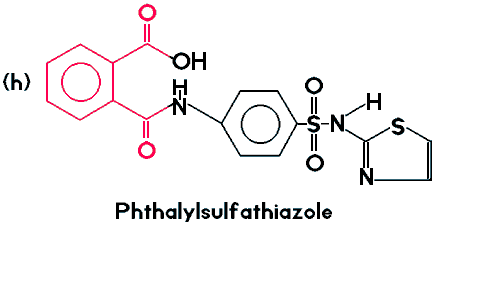
Phthalates (pronounced tha-lates) are a family of chemical plasticisers used to increase the flexibility and durability of PVC plastics, and they are also used in personal care and cosmetic products as solvents and fragrance carriers. You will find them in perfumes, nail varnish, hair sprays, body lotions, shampoos, and deodorants. The frustrating reality is that fragrance formulations are legally protected as trade secrets in many countries, meaning manufacturers are not required to disclose the specific phthalate compounds used in their “fragrance” ingredient.
The mechanism by which phthalates disrupt hormones is multifaceted. Several phthalate compounds are anti-androgenic, meaning they interfere with androgen hormones such as testosterone. While testosterone is often thought of as exclusively a male hormone, it plays an essential role in female hormonal health as well, including in maintaining libido, energy levels, bone density, and mood stability. Phthalate exposure has also been associated in research with alterations in thyroid hormone levels and disruption of the hypothalamic-pituitary axis, the communication pathway between your brain and your reproductive organs.
Phthalates enter your body through skin absorption, inhalation of spray products, and ingestion through lip products. Because skin absorption is a direct route, products applied to large surface areas of the body, such as body lotion or hair conditioner, carry a particularly relevant exposure burden. Research suggests that daily use of multiple conventional personal care products creates a cumulative phthalate load that, over time, may be clinically meaningful. Choosing fragrance-free products or those using only naturally derived scent ingredients is a practical starting point for reducing this exposure.
3. PFAS Chemicals in Non-Stick Cookware: What Your Frying Pan Is Quietly Adding to Your Meal
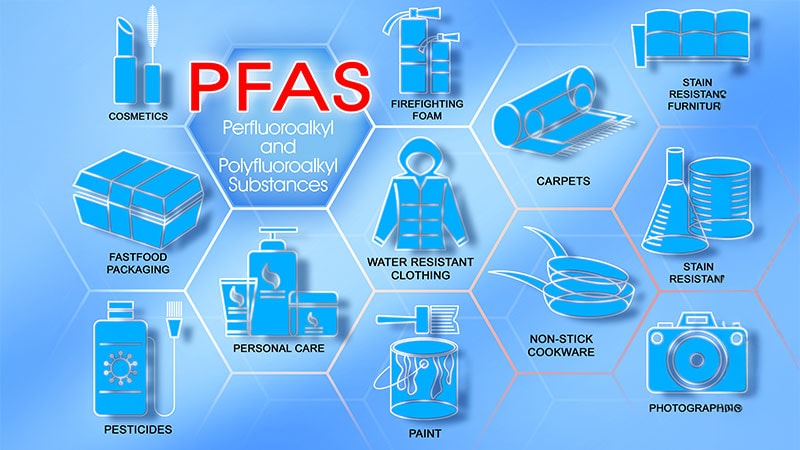
Per- and polyfluoroalkyl substances, known as PFAS, are a large family of synthetic chemicals that have been used since the 1940s to create non-stick, water-resistant, and stain-resistant surfaces and coatings. They are found in non-stick frying pans (particularly older or scratched ones), waterproof clothing, food packaging such as microwave popcorn bags and fast-food wrappers, and various cleaning products.
PFAS are sometimes called “forever chemicals” because they do not break down in the environment or in the human body. They accumulate over time, a process called bioaccumulation. The clinical mechanism by which PFAS disrupt hormonal health is complex and still being elucidated by ongoing research. There is growing evidence that PFAS interfere with thyroid hormone binding and transport, particularly by competing with thyroid hormones for binding to transport proteins in the bloodstream. Because thyroid hormones regulate your metabolism, body temperature, mood, menstrual cycle regularity, and fertility, even subtle thyroid disruption can produce a wide range of symptoms that feel impossible to pin down.
Research also suggests that PFAS may affect oestrogen and progesterone metabolism and have been associated in population studies with earlier age of menopause onset and altered menstrual cycle length. This is an area of very active scientific investigation. What the current body of evidence does support is that reducing unnecessary PFAS exposure is a prudent step, particularly for women who are actively trying to conceive or who are experiencing unexplained thyroid or hormonal symptoms. Replacing scratched non-stick cookware with cast iron, stainless steel, or ceramic-coated alternatives is a practical and affordable measure.
4. Parabens in Cosmetics and Toiletries: The Preservative That Behaves Like Oestrogen
Parabens are a group of synthetic preservatives widely used in cosmetics, pharmaceuticals, and food products to prevent the growth of bacteria and mould, thereby extending shelf life. Common forms include methylparaben, ethylparaben, propylparaben, and butylparaben. You will find them in moisturisers, sunscreens, foundations, mascaras, shampoos, and conditioners. They are among the most frequently detected synthetic chemicals in human urine and tissue samples.
The mechanism of hormonal disruption is oestrogenic. Parabens bind to oestrogen receptors in human cells, activating them in a similar way to natural oestrogen, though generally with lower potency. The concern, clinically, is not any single exposure but rather the cumulative effect of using multiple paraben-containing products daily across many years. Women who use several cosmetic products simultaneously, a perfectly normal behaviour, may be maintaining a consistent low-level oestrogenic load from paraben exposure that contributes to the overall hormonal picture. Research in this area suggests that paraben exposure may be particularly relevant in the context of reproductive health and, more controversially, breast tissue, though this association is still being studied and should not be interpreted as established causation.
Parabens also absorb readily through intact skin, making topical products a significant exposure route. Checking ingredient labels for any compound ending in “-paraben” is straightforward, and there is now a wide range of genuinely paraben-free alternatives available across all price points.
5. Pesticide Residues on Produce: The Invisible Hormonal Load on Your Plate
You do not need to live near a farm or work in agriculture to be exposed to pesticide residues. Conventionally grown fruits and vegetables carry detectable pesticide residues that you consume every time you eat them, and certain fruits and vegetables, particularly those with thin or permeable skins, carry higher residue loads than others.
Many commonly used pesticides are classified as endocrine disruptors. Organophosphate pesticides, for example, have been associated with disruption of thyroid function. Certain fungicides, herbicides including some forms of glyphosate-based compounds, and insecticides have demonstrated oestrogenic or anti-androgenic activity in research models. The mechanism varies by compound, but the general effect is interference with hormone synthesis, transport, or receptor binding.
The cumulative dietary pesticide load is not trivial. Research suggests that premenopausal women who consume higher amounts of foods with elevated pesticide residues may experience longer and more irregular menstrual cycles compared to those with lower dietary pesticide burdens. This is an area where evidence is still accumulating, and confounding factors make definitive conclusions challenging. However, the precautionary principle, the sensible idea of reducing a known risk while research continues, applies here. Prioritising organic produce for the most heavily sprayed fruits and vegetables is a targeted and cost-effective strategy rather than an all-or-nothing approach.
6. Synthetic Fragrances in Household Cleaning Products: The Hormonal Hazard You Breathe Every Day
Synthetic fragrances are not just a concern in personal care products. They are pervasive in the household cleaning products that many women use daily: surface sprays, laundry detergents, fabric softeners, dryer sheets, air fresheners, and scented candles. The same legal protections that shield cosmetic fragrance formulations from full ingredient disclosure apply in many cases to household cleaning products as well.
The endocrine-disrupting concern with synthetic fragrances centres primarily on two categories of chemicals: phthalates, as discussed above, and synthetic musks. Synthetic musks are fragrance compounds used to give products a lasting scent, and there is growing evidence that several of them, including nitro musks and polycyclic musks, demonstrate oestrogenic activity in human cell research and can accumulate in body fat tissue over time. They are also persistent in the environment, meaning they are not easily cleared from water systems.
The inhalation route is particularly relevant for hormonal exposure from cleaning products. When you spray a scented surface cleaner in an enclosed kitchen or bathroom, or when you use a scented dryer sheet in a tumble dryer that vents indoors, you are inhaling a complex mixture of volatile chemical compounds directly into your lungs, where they enter the bloodstream rapidly. Choosing fragrance-free or certified naturally scented cleaning products meaningfully reduces this daily inhalation exposure. Opening windows during and after cleaning, even briefly, also reduces the concentration of airborne chemical compounds in your home significantly.
7. Flame Retardants in Furniture and Electronics: The Silent Hormonal Exposure You Sit With Every Day
Polybrominated diphenyl ethers, known as PBDEs, are a class of flame retardant chemicals that were added to foam furniture, mattresses, upholstered seating, and electronic devices from the 1970s onwards. Some formulations of PBDEs have been phased out or banned in several countries, but they are still present in older furniture, and many replacement compounds share similar chemical properties.
PBDEs are thyroid hormone disruptors. Their chemical structure closely resembles that of thyroid hormones, and they compete with thyroid hormones for binding to transport proteins and receptors in the body. The result is interference with thyroid hormone signalling, which can manifest as fatigue, weight changes, mood alterations, hair thinning, menstrual irregularities, and in some research contexts, effects on fertility. Because PBDEs accumulate in body fat and in household dust, exposure is ongoing and largely invisible in everyday life.
House dust is a genuinely significant exposure route for PBDEs and many other persistent household chemicals. Research has found measurable concentrations of flame retardants, pesticide residues, and other endocrine-disrupting compounds in indoor dust samples from ordinary homes. Regular wet dusting with a damp cloth, rather than dry dusting which simply resuspends particles in the air, and using a vacuum fitted with a HEPA filter, a type of filter that captures very fine particles rather than releasing them back into the air, are practical measures that reduce your daily dust-borne chemical exposure. It is a small change with a meaningful cumulative benefit.
Understanding the Cumulative Burden: Why Each Disruptor Matters More Together Than Alone
It would be reassuring if hormone disruptors worked in isolation. If one exposure happened, produced a specific, identifiable effect, and then cleared cleanly from your system, the clinical picture would be much simpler.
That is not how they work.
Hormone disruptors create what researchers call a “cocktail effect,” meaning that the combined hormonal disruption from multiple simultaneous low-level exposures can be significantly greater than the sum of the individual exposures. Your body is managing BPA from the canned soup at lunch, parabens from the three skin care products you applied this morning, phthalates from the perfume you sprayed, and synthetic musks from the fabric softener in your clothes, all at the same time. None of these individual exposures may cross what regulators define as a “safe threshold,” but their combined oestrogenic or thyroid-disrupting activity may be clinically relevant, particularly over months and years of consistent exposure.
This cumulative burden concept is one of the most important things to understand about hormone disruptors, and it is one of the most consistently underemphasised in mainstream public health communication.
Think of it like this. One additional grain of sand on a scale does nothing. Thousands of grains, added daily, eventually tip the balance.
Your hormonal system is exquisitely sensitive to small shifts in the chemical environment it is operating in. It evolved over millennia to respond to tiny fluctuations in hormone concentrations. That sensitivity is, in fact, a feature of great biological sophistication. But it also means that introducing a persistent background of synthetic hormonal signals, even individually small ones, can produce effects that feel disproportionate to any single exposure.
This does not mean you should feel overwhelmed. It means you should feel informed.
A Deeper Look: How Hormone Disruptors Specifically Affect Women’s Reproductive and Menstrual Health
Understanding the general mechanism of endocrine disruption is one thing. Understanding how it manifests specifically in the context of female reproductive health is where this knowledge becomes practically useful for you.
Menstrual Cycle Disruption
Your menstrual cycle is governed by a precise sequence of hormonal signals. The hypothalamus, a region of your brain, sends signals to the pituitary gland, which in turn sends signals to your ovaries, which produce oestrogen and progesterone in carefully timed quantities. This sequence, known as the hypothalamic-pituitary-ovarian (HPO) axis, requires accurate hormonal communication at every step.
Hormone disruptors can interfere with this sequence at multiple points. EDCs that mimic oestrogen can confuse the hypothalamus into misreading your body’s actual oestrogen levels, leading to altered secretion of the signalling hormones that drive your cycle. The result can include cycles that are longer or shorter than usual, heavier or lighter bleeding, worsening premenstrual syndrome (PMS), spotting between periods, and missed ovulation without obvious explanation.
Research suggests that women with higher measured blood or urine concentrations of certain EDCs, including BPA and some phthalate compounds, report more menstrual irregularity. This association is now considered well enough established to be taken seriously clinically, even if the precise dose-response relationship continues to be refined by ongoing research.
Fertility and Ovarian Function
Ovulation, the monthly release of an egg from the ovary, is one of the most hormonally complex events in the female body. It depends on a precisely timed surge of luteinising hormone (LH) from the pituitary gland, itself triggered by rising oestrogen levels from the developing follicle. Any disruption to this chain of hormonal signalling can prevent or delay ovulation, or result in a follicle that releases an egg that is not fully matured.
Research in this area suggests that higher EDC exposures are associated with reduced ovarian reserve, a measure of the number and quality of eggs remaining in the ovaries, and with altered response to fertility treatments in women undergoing IVF. The ovary itself appears to be particularly sensitive to endocrine disruption because the cells that surround and nourish developing eggs contain oestrogen receptors that can be activated by oestrogenic EDCs.
Thyroid-disrupting EDCs, including PFAS and PBDEs, are also relevant here. Thyroid hormones are essential for healthy ovarian function, proper uterine preparation for embryo implantation, and early foetal development. Even subclinical thyroid dysfunction, where thyroid hormone levels are technically within the normal reference range but not optimal, can affect fertility outcomes. A thyroid disrupted by chronic PFAS or PBDE exposure may function less efficiently even when standard blood tests return results flagged as “normal.”
Oestrogen Dominance and Its Many Faces
Oestrogen dominance refers to a state in which oestrogen’s activity in the body is disproportionately high relative to progesterone, whether due to excess oestrogen production, insufficient progesterone, or external oestrogenic influences such as EDC exposure. It is a pattern seen clinically in conditions including endometriosis, uterine fibroids, polycystic ovary syndrome (PCOS), and hormonal migraines.
Oestrogenic hormone disruptors, BPA, parabens, some phthalates, and certain pesticide residues, add to the total oestrogenic load your body is managing. For a woman whose hormonal system is already tending towards oestrogen dominance, this additional burden can tip the clinical picture from manageable to symptomatic. Heavier periods, increased pelvic pain, worsening fibroid symptoms, and more severe PMS can all result.
This is not speculation. As I’ve seen with many patients presenting with worsening endometriosis symptoms or increasingly heavy periods over several years, a thorough review of their daily chemical exposures sometimes reveals a correctable contribution to their hormonal picture, one that no blood test would ever flag directly.
For a fuller understanding of how common chemical exposures intersect with women’s hormonal health, the comprehensive overview of endocrine-disrupting chemicals and their effects on women’s health from Healthline provides a well-researched and accessible reference that aligns with current clinical thinking.
Perimenopause and the Amplification Effect
Women entering perimenopause, the transitional phase before menopause that typically begins in the mid-to-late forties but can start earlier, are navigating a period of natural hormonal fluctuation that is already significant. Oestrogen levels begin to fluctuate more widely, progesterone production decreases, and the HPO axis becomes less reliably rhythmic.
During this transition, the additional hormonal burden created by EDC exposure may amplify symptoms that would otherwise be more manageable. Hot flushes, sleep disruption, mood instability, and irregular bleeding may all be more pronounced or more frequent in women with higher ongoing EDC exposures. There is also growing evidence that cumulative EDC exposure may influence the timing of menopause onset, with some studies suggesting that certain PFAS compounds are associated with an earlier transition to menopause, which carries its own implications for bone health, cardiovascular health, and cognitive function.
Understanding this amplification effect is clinically important because perimenopausal women are often told that their symptoms are “just hormones” without any consideration of the environmental factors that may be meaningfully contributing to their experience.
Practical Steps to Meaningfully Reduce Your Hormone Disruptor Exposure
Reducing your exposure to hormone disruptors does not require a complete lifestyle overhaul, an expensive detox programme, or a move to a rural farmhouse. The changes that make the most clinical difference are specific, affordable, and entirely achievable within an ordinary life.
Here is a structured, prioritised approach:
In Your Kitchen
Replace plastic food storage containers and water bottles with glass, stainless steel, or ceramic alternatives. This single change removes your most consistent daily BPA and BPS exposure.
Never microwave food in plastic. If you do not have a glass container to hand, transfer food to a plate before heating it.
Reduce your consumption of food from tins and cans where possible, particularly acidic foods such as tomatoes, which accelerate BPA leaching from can linings. Many manufacturers now offer BPA-free can linings, but variability exists between brands.
Where budget allows, prioritise organic produce for fruits and vegetables that consistently carry the highest pesticide residue loads. Thin-skinned fruits including strawberries, grapes, cherries, apples, and peaches, and leafy vegetables, are the highest-priority swaps.
Thorough washing of all produce, even organic, reduces surface pesticide residues. Rinsing under running water for at least 30 seconds is more effective than a brief rinse.
In Your Bathroom and Personal Care Routine
Read ingredient labels on all personal care products: moisturisers, shampoos, conditioners, sunscreens, and deodorants. Look for and avoid ingredients ending in “-paraben” and the word “fragrance” or “parfum” without further specification.
Gradually transition to fragrance-free or naturally scented alternatives. You do not need to discard everything at once. As each product runs out, replace it with a cleaner alternative. This is a sustainable, non-overwhelming approach.
Use fewer products overall. The fewer products you apply to your skin daily, the lower your cumulative dermal exposure to potential EDCs. Simplifying your routine is both practical and, it turns out, hormonally sensible.
In Your Cleaning and Laundry Routine
Replace scented cleaning sprays, fabric softeners, dryer sheets, and air fresheners with fragrance-free alternatives. Bicarbonate of soda and white vinegar remain genuinely effective, inexpensive, and chemically simple cleaning agents for many household tasks.
Increase ventilation during cleaning. Opening windows when you clean reduces the concentration of any airborne chemical compounds, whether from cleaning products or from stirred-up household dust, in your breathing space.
Vacuum using a HEPA-filtered vacuum cleaner and follow with damp wet-dusting of surfaces. This is particularly relevant if you have older foam furniture or electronics, which may still be off-gassing PBDE flame retardants into your household dust.
In Your Cookware Choices
Retire heavily scratched or chipped non-stick frying pans and replace them with cast iron, stainless steel, or ceramic-coated alternatives. A scratched non-stick surface releases significantly more chemical compounds into food during cooking than an intact surface.
Avoid cooking spray aerosols in non-stick pans, as the pressurised oil can degrade the coating more rapidly.
A Word on Filtered Water
Tap water in many regions contains trace levels of PFAS and other chemical residues. Using a water filter that is certified to reduce PFAS, such as a certified reverse osmosis system or a certified activated carbon filter specific to PFAS removal, reduces this exposure meaningfully. Checking whether your local water supply has been tested for PFAS is worth doing, as levels vary significantly by location.
The Cumulative Swap Approach: A Practical Framework
One of the most useful mental frameworks for reducing hormone disruptor exposure without feeling overwhelmed is what I encourage patients to think of as “cumulative swaps.” Rather than attempting to change everything simultaneously, or feeling that anything less than perfection is pointless, make one deliberate swap per week or per fortnight.
Week one: switch your plastic water bottle to a stainless steel one.
Week two: swap your most-used body lotion for a paraben-free, fragrance-free alternative.
Week three: replace your scented fabric softener with an unscented version.
By the end of two months, you have reduced your daily hormone disruptor exposure across five or six significant categories without feeling that your life has been turned upside down. The cumulative reduction in your daily chemical burden is real, even if no individual swap felt dramatic.
This is how meaningful, sustainable change actually works. Not as a grand gesture, but as a series of quiet, informed decisions made consistently over time.
What Your Blood Tests Are (and Are Not) Telling You About EDC Exposure
This is something that surprises many women when they first encounter it. Standard hormonal blood tests, the kind your GP or gynaecologist may order when you present with irregular periods, unexplained fatigue, or fertility concerns, do not measure exposure to hormone-disrupting chemicals. They measure the hormones your body is producing, but they cannot identify whether external chemical exposures are interfering with how those hormones are working.
A blood test can tell you that your oestrogen is within the normal reference range. It cannot tell you that a background load of oestrogenic EDCs is activating oestrogen receptors in your uterus regardless. A blood test can flag that your TSH (thyroid-stimulating hormone) is borderline elevated. It cannot tell you that PFAS-related thyroid hormone transport disruption is contributing to that reading.
Specialised testing for body burden of specific EDCs, such as urinary phthalate metabolites or serum PFAS levels, does exist in some clinical and research settings. However, these tests are not yet routinely available or covered within standard NHS or equivalent public health care frameworks. They are more commonly accessed through specialist environmental medicine clinics or academic research programmes.
This does not mean you are without options. What it does mean is that the absence of a specific EDC measurement in your standard blood results should not be interpreted as evidence that these exposures are not contributing to your symptoms. It simply means they have not been looked for.
Comparing Common Hormone Disruptors: A Clinical Reference Table
| Hormone Disruptor | Primary Source in Home | Mechanism of Action | Main Hormonal Effect | Practical Reduction Step |
|---|---|---|---|---|
| BPA / BPS | Plastics, tin can linings | Oestrogen receptor agonist | Oestrogen mimicry, menstrual disruption | Switch to glass or stainless steel |
| Phthalates | Fragrance, personal care products | Anti-androgenic, HPO axis disruption | Testosterone imbalance, thyroid effects | Choose fragrance-free products |
| PFAS | Non-stick cookware, food packaging | Thyroid hormone transport interference | Thyroid disruption, menstrual changes | Replace scratched non-stick, filter water |
| Parabens | Cosmetics, moisturisers, shampoos | Oestrogen receptor agonist | Oestrogenic burden, reproductive concerns | Read labels, avoid “-paraben” ingredients |
| Pesticide residues | Conventionally grown produce | Multiple: oestrogenic, anti-androgenic, thyroid | Menstrual irregularity, fertility effects | Prioritise organic for high-residue produce |
| Synthetic fragrances | Cleaning products, candles, fabric softeners | Phthalates + synthetic musks, oestrogenic | Oestrogen excess, bioaccumulation | Switch to fragrance-free cleaning products |
| PBDEs (flame retardants) | Old furniture, mattresses, electronics, dust | Thyroid hormone receptor/transport disruption | Thyroid dysfunction, fertility effects | HEPA vacuuming, wet dusting, replace old foam |
This table is intended as a practical clinical reference. It is a starting point for understanding where your exposures are coming from and which swaps will have the most meaningful impact for your particular circumstances.
In My 19 Years of Clinical Practice, What I Have Seen Most Often Is This
In my 19 years of clinical practice, what I’ve seen most often is a woman who has been doing everything right and still feels that her body is not cooperating. Her diet is reasonable. She exercises. She is not under unusual stress. Her blood tests come back “normal,” and yet her periods are getting heavier each year, her energy is declining, her skin is reacting to products she has used for years, and her fertility investigations reveal unexplained subfertility. She has been told, repeatedly, that everything looks fine on paper.
What is rarely discussed in that consultation is her daily environment. Not because her doctors are uncaring, but because environmental chemical exposure sits at the intersection of toxicology, reproductive endocrinology, and public health policy, and it rarely fits within a standard 10-minute appointment structure. The mainstream medical framework is excellent at measuring what the body is producing. It is far less equipped, at a systems level, to account for what the body is being asked to manage from the outside.
The gap between what is happening in the research literature on EDCs and what is being discussed in routine women’s health consultations is significant and, frankly, a disservice to women who deserve complete information. Understanding your hormonal environment means understanding not just what your ovaries and thyroid are doing, but what they are doing it within. That context matters, and you deserve to have it explained clearly.
When to See a Specialist: Specific Red Flags That Warrant Professional Evaluation
Reducing your EDC exposure at home is a sensible, proactive step. It is not a substitute for medical evaluation when your symptoms warrant it. Here are specific circumstances that call for a specialist referral:
If you experience menstrual cycles shorter than 21 days or longer than 35 days for three or more consecutive cycles, book an appointment with a gynaecologist or reproductive endocrinologist (a specialist in hormonal conditions affecting reproduction) to investigate potential ovulatory dysfunction or hormonal imbalance.
If your periods have become significantly heavier over 6 to 12 months, soaking through a pad or tampon in under an hour or passing clots larger than 2.5 cm, book a consultation with a gynaecologist to investigate for uterine fibroids, endometriosis, or adenomyosis (a condition where the lining of the uterus grows into the muscle wall).
If you have been trying to conceive for 12 months without success (or 6 months if you are over 35), book a referral to a reproductive endocrinologist or fertility specialist for comprehensive investigation, including hormonal profiling and ovarian reserve assessment.
If you experience persistent fatigue, unexplained weight changes, hair thinning, or cold intolerance for more than 8 weeks, request a thyroid function panel from your GP, including TSH, free T4, and free T3, and ask for a referral to an endocrinologist (a hormone specialist) if results are borderline or symptoms persist despite normal results.
If you are perimenopausal and experiencing symptoms that are significantly affecting your quality of life, including severe sleep disruption, mood disturbance, or very irregular heavy bleeding over more than 3 months, book with a gynaecologist with a specialism in menopause to discuss your full symptom picture and your options.
According to the Mayo Clinic’s guidance on endocrine disruptors and women’s health, prompt evaluation of symptoms that may relate to hormonal disruption is consistently recommended when lifestyle modifications alone are insufficient to resolve the clinical picture.
None of these referrals require you to mention EDC exposure specifically if you feel uncertain raising it. Simply describing your symptoms accurately and asking your specialist to investigate all contributing factors is entirely appropriate and sufficient to open a thorough clinical conversation.
The Bigger Picture: Why This Conversation Belongs in Every Women’s Health Clinic
There is a broader context worth acknowledging here, even briefly. Hormone-disrupting chemicals are not simply a personal health concern. They are a public health issue of genuine scale, one that disproportionately affects women because of the central role that hormonal systems play in so many aspects of female health across the reproductive lifespan.
The volume of peer-reviewed research examining the association between EDC exposure and women’s health outcomes has grown substantially over the past two decades. The scientific consensus, while still evolving in its finer details, is now clearly enough established to support serious clinical attention and policy action. Regulatory frameworks in many regions are gradually tightening restrictions on certain EDC compounds, but they lag significantly behind the science, in part because demonstrating harm from low-level cumulative exposure is methodologically challenging and commercially contentious.
What this means for you, practically, is that you are unlikely to see wholesale changes to chemical regulations within a timeframe that is relevant to your reproductive years. The most empowering and realistic response to that reality is to make informed, prioritised reductions in your own daily exposure, to advocate clearly within your healthcare relationships for thorough hormonal investigation when your symptoms warrant it, and to share what you learn with the women around you who may be experiencing similar unexplained symptoms without the vocabulary to make sense of them.
Because the reality is that knowledge, shared clearly and without panic, is the most effective tool available to you right now.
Frequently Asked Questions About Hormone Disruptors
Can reducing EDC exposure really improve my hormonal symptoms?
There is growing evidence that reducing exposure to oestrogenic and thyroid-disrupting chemicals can contribute to improved hormonal balance over time, particularly in women with conditions such as oestrogen dominance, endometriosis, or subclinical thyroid dysfunction. The body does metabolise and clear many EDCs progressively once exposure is reduced, though persistent compounds like PFAS and PBDEs clear much more slowly. Clinical improvements are typically gradual rather than immediate, which is why consistency over months rather than weeks is the meaningful timeframe.
Are “natural” or “organic” personal care products always free from hormone disruptors?
Not automatically. Some naturally derived compounds, including certain essential oils and plant-based preservatives, can have hormonal activity. However, certified organic personal care products that meet recognised certification standards tend to have significantly lower overall EDC burdens than conventional alternatives. Reading ingredient lists remains the most reliable approach, regardless of how a product is marketed.
Should I be concerned about hormone disruptors during pregnancy?
This is a genuinely important question. The developing foetus is particularly sensitive to hormonal disruption because its organ systems, including the reproductive system, brain, and thyroid, are being formed during critical windows when precise hormonal signalling is essential. Research suggests that EDC exposure during pregnancy may have effects on foetal development, including on the developing reproductive tract and brain. Reducing unnecessary chemical exposures during pregnancy and preconception is a sensible precautionary approach that is consistent with current reproductive health guidance. If you are pregnant or planning a pregnancy, discussing your exposure reduction steps with your midwife or obstetrician is worthwhile.
Is it possible to completely eliminate hormone disruptor exposure?
Realistically, no. EDCs are pervasive in the modern environment, present in the air, water, soil, food supply, and consumer products that make up contemporary life. The goal is not elimination, which is neither achievable nor necessary for meaningful benefit. The goal is meaningful, consistent reduction of your highest-burden exposures, prioritised according to the evidence. Reducing your total daily chemical load, even substantially, does not require perfection.
Do men also need to reduce their EDC exposure?
Yes. EDC exposure affects male hormonal health as well, with particular associations with testosterone levels and sperm quality. However, this article is focused on women’s health specifically. If you are trying to conceive with a male partner, reducing his EDC exposure alongside yours is a clinically relevant consideration worth discussing with your fertility specialist.
Closing Thoughts: You Already Have More Power Here Than You Realise
You began reading this because something did not feel right. Maybe your periods are not what they used to be. Maybe you feel foggy and exhausted in ways that do not match your sleep or your stress levels. Maybe you have been trying to conceive and no one has yet given you a satisfying explanation for why it is taking longer than expected.
The single most important takeaway from everything you have read here is this: your symptoms are not in your imagination, and they are not inevitable. The hormonal environment your body is operating in is shaped by more than your genetics and your stress levels. It is shaped by the water bottle on your desk, the body lotion you apply each morning, the frying pan in your kitchen, and the cleaning products you use each week. That is not a reason for panic. It is a reason for clear, informed, prioritised action.
Start with one swap this week. One. Replace your plastic water bottle. Switch your body lotion. Try fragrance-free laundry detergent. Notice how it feels to make a deliberate choice for your hormonal health. Then make another next week.
Drop a comment below and let me know which of these seven disruptors surprised you most. Your experience matters, and so does sharing this with the women in your life who may recognise themselves in this article.
Medical Disclaimer
This article is for informational purposes only and does not constitute medical advice. Always consult a qualified healthcare provider before making any changes to your health or treatment plan.